
Navigating the world of fishing license requirements can be a complex task. With varying regulations across states and specific conditions for different types of fishing, understanding what’s needed is often a challenge. This comprehensive guide unravels the intricacies of fishing license requirements, focusing on the United States, and provides detailed insights into the process, fees, qualifications, and top tips for obtaining a fishing license.
Understanding Fishing Licenses
What Is A Fishing License?
A fishing license is a legal permit that grants the holder the right to engage in fishing activities within specific jurisdictions. More than just a document, it represents an agreement between anglers and governing authorities. By obtaining one, you agree to abide by the rules designed to:
- Ensure responsible fishing practices
- Preserve fish populations
- Maintain ecosystem integrity
Types Of Fishing Licenses
Different licenses cater to various fishing activities, locations, and durations:
- Resident Licenses: For state residents
- Non-resident Licenses: For out-of-state visitors
- Commercial Fishing Licenses: For fishing for profit
- Recreational Fishing Licenses: For personal, non-commercial fishing
Validity And Renewal
Fishing licenses have a validity period, from a single day to a lifetime. Renewal processes vary, but most states offer convenient online options.
Why Is A Fishing License Necessary?
Beyond legal compliance, fishing licenses play a vital role in:
Conservation: By regulating catch, licenses help maintain fish population balance and ensure future angling opportunities.
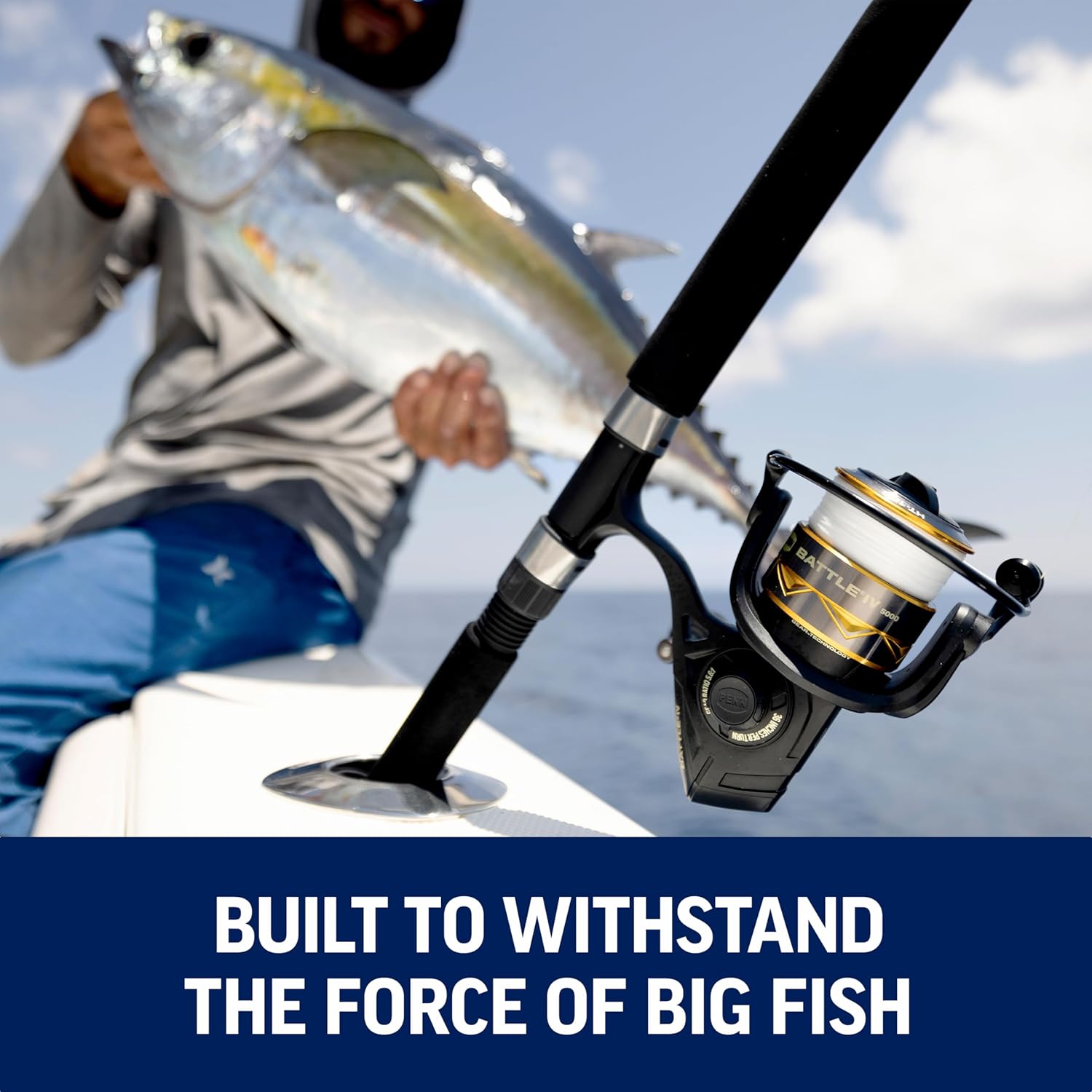
Penn Battle III Surf Spinning Combo
Monitoring: License requirements enable tracking of fishing activities, species targeted, and methods used to inform regulations.
Revenue Generation: License fees fund crucial wildlife, habitat restoration, fish stocking, and enforcement programs.
Ethical Considerations: Having a license signifies commitment to sustainable and responsible fishing practices.
Types Of Fishing Licenses
General Fishing Licenses
California
- Resident Sport Fishing ($58.58): For CA residents 16+ for freshwater/saltwater fishing
- Nonresident Sport Fishing ($158.25): Same as above for non-residents
- Reduced-Fee Sport Fishing: For disabled veterans, seniors, etc.
- Free Sport Fishing: For low-income Native Americans, disabled persons
New York
- Annual License ($25 resident/$50 non-resident): Full year of fishing
- 7-Day License ($12 resident/$28 non-resident): For a week-long trip
- 1-Day License ($5 resident/$10 non-resident): For a single day
- Free/Reduced Fee & Lifetime Licenses: For military, seniors, students, etc.
Special Fishing Licenses
- Ocean Enhancement Validation (CA): Required for ocean fishing south of Point Arguello
- Recreational Crab Trap Validation (CA): Needed for crab trapping
- Lifetime Fishing Licenses (NY): Residents only, covers lifetime of fishing
The variety of licenses in CA and NY reflect a nuanced approach, ensuring accessibility while promoting conservation.
How To Obtain A Fishing License
Online Purchase
The easiest way! Both states offer official online platforms:
- California: CA Dept. of Fish & Wildlife
- New York: NY Dept. of Environmental Conservation
In-Person Purchase
For a more traditional approach:
- California: CDFW offices, sporting goods stores, authorized license agents
- New York: Town clerks, retailers, license issuing agents
By Phone (NY Only)
New York also allows ordering by phone during business hours: 1-866-933-2257
Always use official channels to secure your legitimate fishing license.
Who Needs A Fishing License?
Age Requirements
In most states, including CA and NY, individuals 16 and older require a fishing license. This age recognizes the maturity needed to follow regulations.
Youth Fishing Opportunities
Many states offer special youth fishing programs and events to encourage responsible angling from a young age.
Exemptions
While generally required, some exemptions exist:
- Fishing on licensed private preserves (check specific rules)
- During free fishing day/weekend events
- Resident landowners primarily engaged in farming on their property
- Native Americans fishing on reservation lands
Fishing License Requirements For Border Waters
Border waters between states/provinces often have unique regulations due to overlapping jurisdictions.
New York Examples:
- Lake Ontario: NY license not valid for non-NY portions
- Delaware River: NY license allowed per agreements
Always verify regulations for your specific waterbody when fishing border areas.
Top Tips For Getting Your Fishing License
- Research online: Check your state's wildlife agency website for updated rules, fees, and license options.
- Know your residency status: Resident and non-resident licenses have different requirements and costs.
- Get it early: Don't wait until the last minute - many states no longer offer licenses over-the-counter.
- Ask about discounts: Some states offer reduced fees for seniors, veterans, disabled persons, etc.
- Consider a lifetime license: If you plan to fish for life, this one-time purchase can save you money long-term.
- Use official sources only: Avoid third-party vendors - go directly through your state's approved sales channels.
- Know your waters: Some lakes, rivers, or coastal areas require special stamps or validations.
- Keep it on you: Always have your valid fishing license while angling to show authorities if asked.
- Renew on time: Mark your calendar for license expiration and renew promptly to stay legal.
- Teach responsible angling: Model ethical fishing by following all regulations when taking others.