
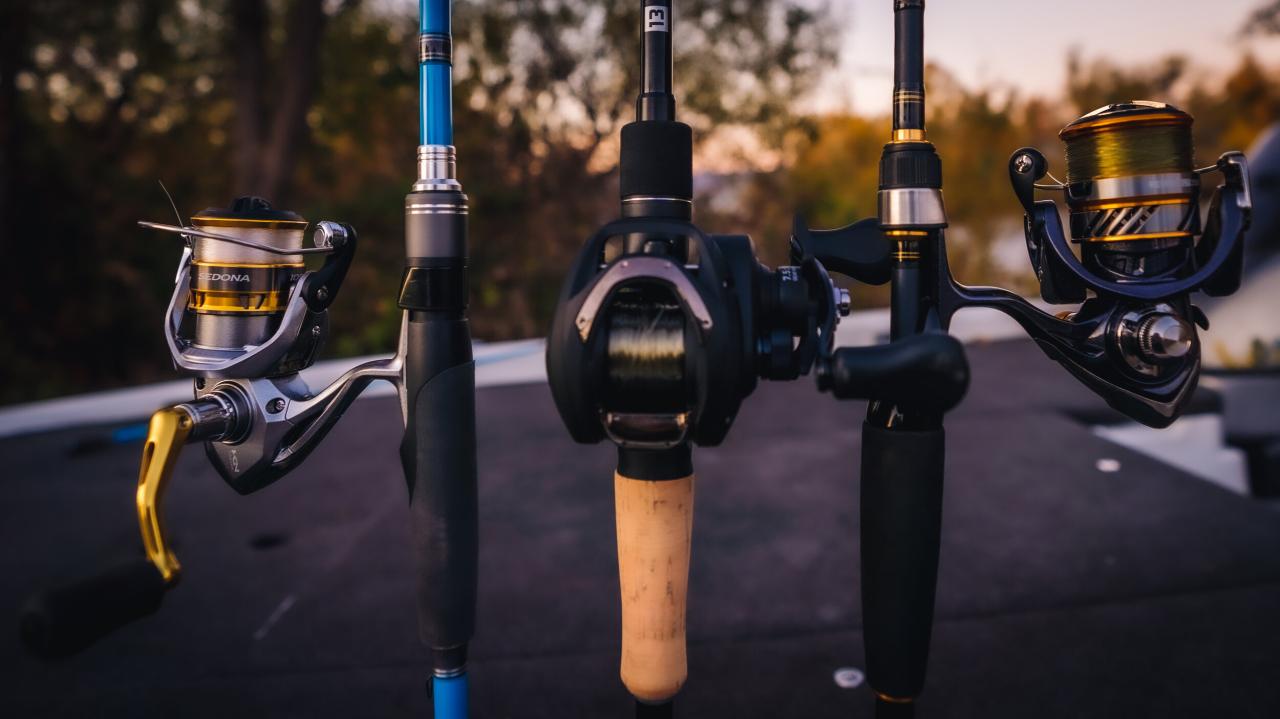
Why Choose a Combo Fishing License?
A combo fishing license is the Swiss Army knife of fishing permits. It combines freshwater and saltwater fishing privileges into a single, convenient package. Here’s why anglers are flocking to this versatile option:
Cost-Effective: Typically, purchasing a combo license is more economical than buying separate freshwater and saltwater licenses.
Convenience: One license covers multiple fishing environments, reducing paperwork and simplifying your outdoor adventures.
Flexibility: Fish in lakes, rivers, and coastal waters without worrying about switching licenses.
Extended Coverage: Many combo licenses include additional permits for specific species or fishing methods.
How to Obtain Your Combo Fishing License
Getting your hands on a combo fishing license is easier than you might think. Here’s a step-by-step guide to help you navigate the process:
- Determine Your Residency Status: Licensing requirements and fees often differ for residents and non-residents.
- Check State Regulations: Visit your state's fish and wildlife agency website for specific combo license options and requirements.
- Choose Your License Duration: Options typically include annual, short-term, and sometimes lifetime licenses.
- Gather Required Information: You'll need identification, proof of residency (if applicable), and sometimes a social security number.
- Select a Purchase Method: Most states offer multiple ways to buy licenses:
- Online through the state's official wildlife website
- In-person at authorized retailers (e.g., sporting goods stores, bait shops)
- By phone (check your state's licensing hotline)
- Through mobile apps offered by some states
- Pay the Fee: Costs vary by state and license type. Be prepared with a credit card or other accepted payment method.
- Receive Your License: You'll either get a physical copy immediately or a temporary license with instructions to print or download a digital version.
Combo License Costs and Comparisons
While prices vary by state, here’s a general idea of what you might expect to pay for a combo license compared to individual licenses:
| State | Resident Combo | Non-Resident Combo | Savings vs. Individual Licenses |
|---|---|---|---|
| Florida | $47.00 | $110.00 | Up to 20% |
| California | $52.66 | $142.05 | Varies by included permits |
| Texas | $68.00 | $100.00 | Up to 25% |
Remember, these prices are subject to change and may not include additional fees or permits required for certain species or fishing methods.
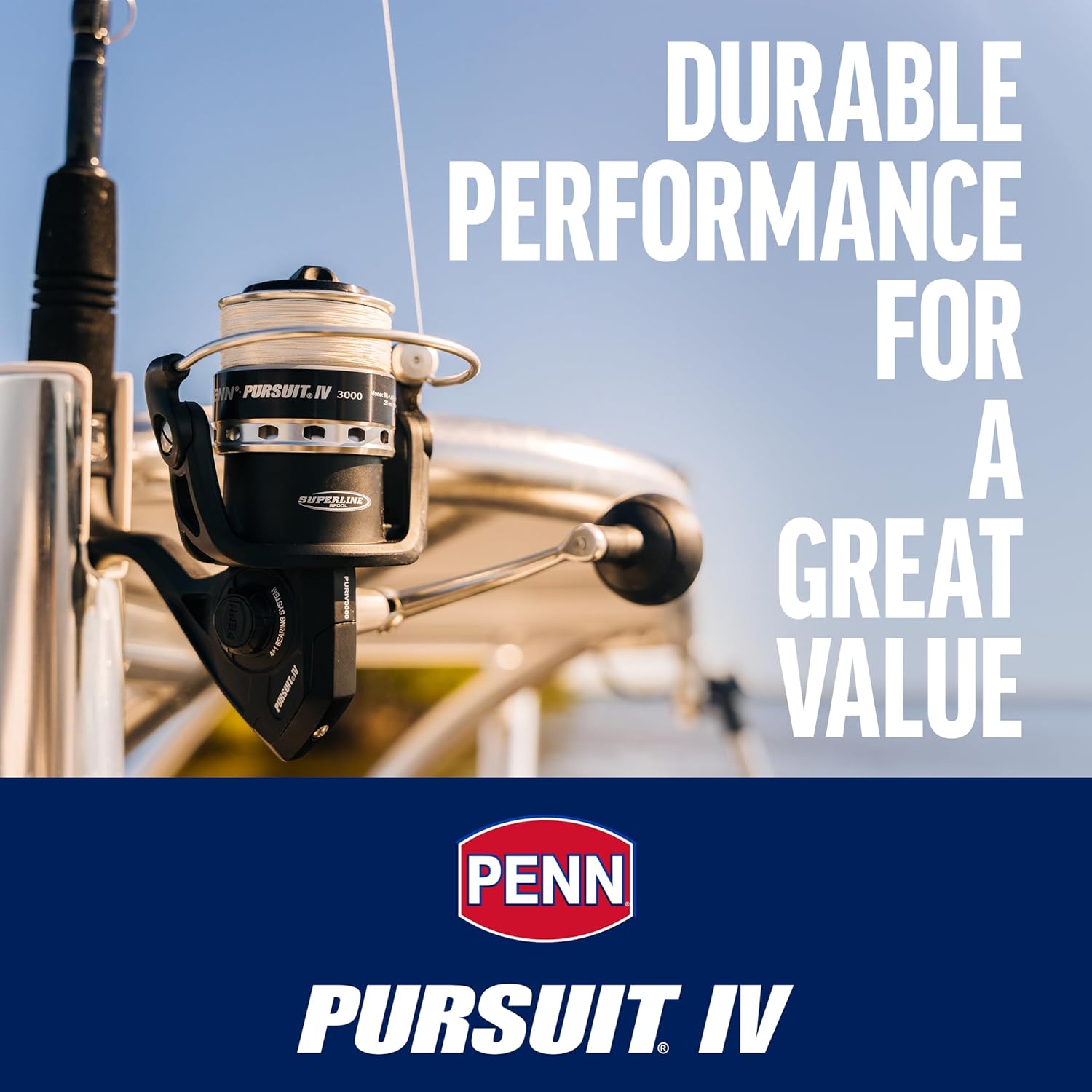
Penn Pursuit IV Spinning Combo
Maximizing Your Combo License
To get the most out of your combo fishing license, consider these tips:
- Plan Multi-Environment Trips: Take advantage of your license by planning trips that include both freshwater and saltwater fishing.
- Explore New Waters: Use your expanded access to discover fishing spots you might not have considered before.
- Participate in Free Fishing Days: Many states offer free fishing days where licenses aren't required. Use these to introduce friends to the sport without them needing to purchase a license.
- Stay Informed About Regulations: Keep up with any changes in fishing regulations that might affect your combo license privileges.
- Consider Add-Ons: Some states offer additional stamps or permits that can be added to your combo license for specific species or fishing methods.
Understanding License Requirements and Exceptions
While combo licenses offer great flexibility, it’s crucial to understand the specific requirements and exceptions in your state:
Age Requirements: Many states offer free or reduced-cost licenses for youth and senior anglers. For example:
- In California, anglers under 16 don't need a license.
- Florida offers a reduced-fee "Youth Gold Sportsman's License" for ages 8-15.
Military Discounts: Active duty military personnel and veterans often qualify for discounted or free licenses in many states.
Disability Accommodations: Most states provide special licensing options for anglers with disabilities.
Fishing Location Exceptions: Some areas may require additional permits or have unique regulations:
- Fishing from a public pier in ocean waters in California doesn't require a license.
- Certain state parks or federal lands might have their own licensing requirements.
Conservation and the Importance of Fishing Licenses
Purchasing a fishing license isn’t just about legal compliance – it’s a crucial contribution to conservation efforts:
- Habitat Preservation: License fees fund projects to maintain and improve fish habitats.
- Fish Stocking Programs: Many states use license revenue to stock lakes and rivers with fish.
- Research and Management: Your fees support scientific studies and management practices that ensure sustainable fishing for future generations.
- Education Programs: Licensing funds often support angler education and youth outreach programs.
By obtaining a combo license, you’re not only gaining access to diverse fishing opportunities but also playing a vital role in preserving our aquatic ecosystems.
Digital Licensing and Technology
As technology evolves, so does the way we manage our fishing licenses:
Digital Licenses: Many states now offer digital licenses that can be stored on your smartphone. This makes it easy to always have your license on hand and reduces the risk of loss or damage.
Mobile Apps: Some state wildlife agencies have developed mobile apps that not only store your license but also provide regulations, fishing reports, and even allow you to log your catch.
Online Renewal: Most states allow online license renewal, making it convenient to keep your combo license up-to-date year after year.
QR Codes: Some digital licenses include QR codes for easy verification by conservation officers.
- Forgetting to Renew: Set a reminder to renew your license before it expires.
- Not Carrying Your License: Always have your license with you when fishing, whether it's physical or digital.
- Misunderstanding Boundaries: Be clear on where your combo license is valid, especially in border areas between states.
- Overlooking Additional Permits: Some species or fishing methods may require extra permits beyond your combo license.
- Ignoring Regulation Changes: Stay informed about any updates to fishing regulations that might affect your license's coverage.