
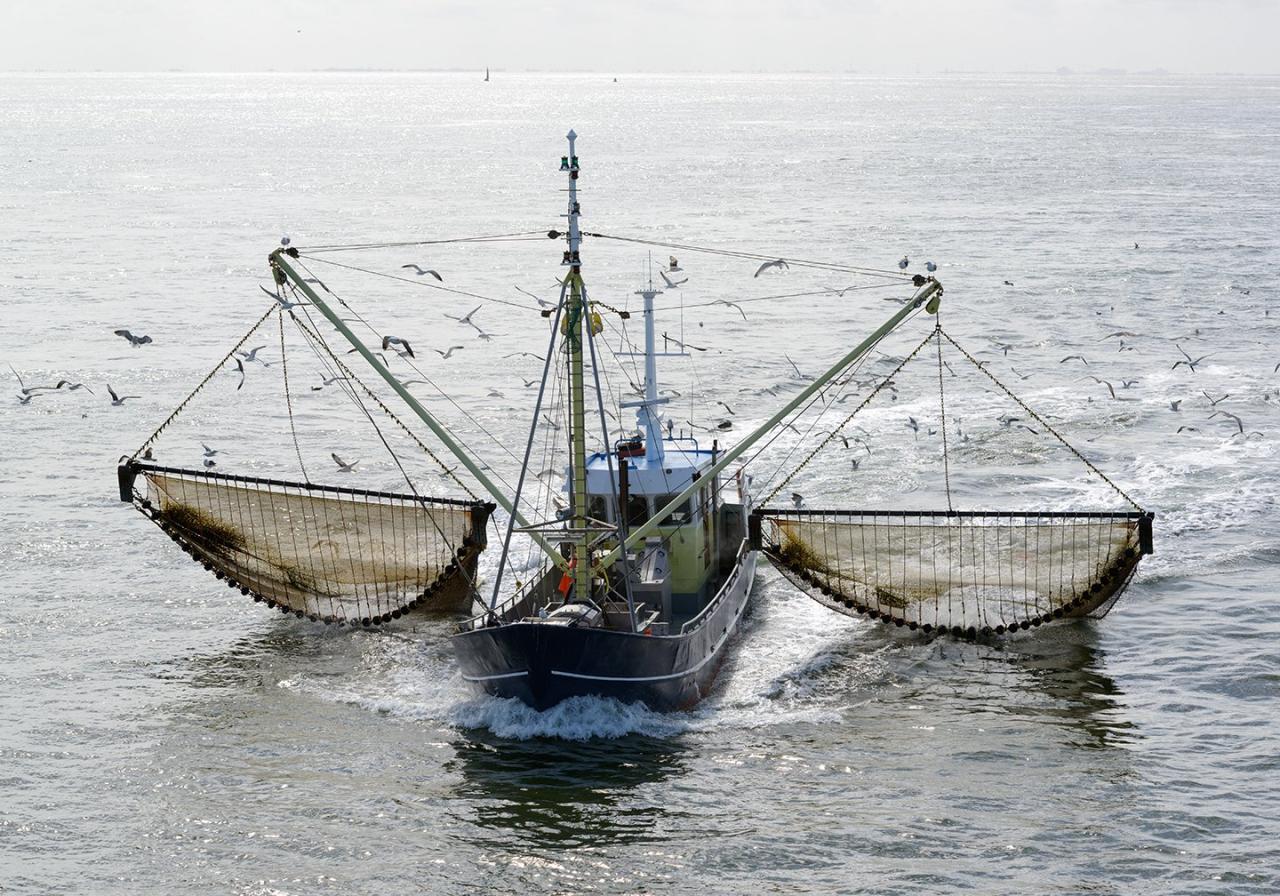
Understanding Alaska’s Commercial Fishing Licenses
Alaska’s commercial fishing industry is carefully regulated to ensure the sustainability of its marine resources. The Alaska Department of Fish and Game (ADFG) oversees the issuance of commercial fishing licenses, which are required for anyone participating in commercial fishing activities within state waters.
Several types of commercial fishing licenses are available, each tailored to specific fishing methods and species:
- Commercial Fisheries Entry Commission (CFEC) Permit: This permit is issued by the CFEC and is specific to a particular fishery, such as salmon, herring, or crab. Limited entry permits are required for most commercial fisheries in Alaska.
- Crewmember License: All crew members working on a commercial fishing vessel must obtain a crewmember license. This license is valid for one year and allows the holder to work on any commercial fishing vessel in Alaska.
- Vessel License: All commercial fishing vessels must be licensed with the ADFG. The vessel license is specific to the vessel and must be renewed annually.
Eligibility Requirements
To be eligible for a commercial fishing license in Alaska, applicants must meet the following criteria:
- Age: Applicants must be at least 16 years old. Those under 18 may require parental consent.
- Residency: While non-residents can obtain commercial fishing licenses, some permits may give preference to Alaska residents.
- Experience: Some permits, such as the CFEC permit, may require a certain level of fishing experience or participation in the fishery.
The Application Process
- Determine the Required Licenses: Based on your intended fishing activities, identify the specific licenses and permits you need.
- Gather Required Documentation: Collect all necessary documents, such as proof of identity, residency, and fishing experience.
- Complete Application Forms: Fill out the appropriate application forms for each license and permit. These forms can be obtained from the ADFG website or local offices.
- Submit Applications and Fees: Submit your completed applications along with the required fees to the ADFG. Fees vary depending on the license type and residency status.
- Wait for Processing: The ADFG will review your application and issue your licenses upon approval. Processing times may vary depending on the volume of applications received.
Regulations and Responsibilities
Obtaining a commercial fishing license comes with the responsibility to adhere to Alaska’s fishing regulations. These regulations cover aspects such as:
- Seasons and Areas: Each fishery has specific open and closed seasons and designated fishing areas. It is crucial to stay informed about the current regulations for your target fishery.
- Gear Restrictions: Regulations specify the type and amount of gear that can be used in each fishery. Familiarize yourself with the permitted gear for your specific fishery.
- Catch Limits and Reporting: Commercial fishermen must adhere to catch limits and reporting requirements. Accurate record-keeping and timely submission of catch reports are mandatory.
- Conservation Measures: Alaska prioritizes the sustainability of its fisheries. Commercial fishermen are expected to follow conservation measures, such as size limits and bycatch reduction techniques, to minimize the impact on fish populations and the ecosystem.
Resources for Commercial Fishermen
Alaska provides a range of resources to support commercial fishermen:
Penn Pursuit IV Spinning Combo
- ADFG Website: The official ADFG website offers a wealth of information, including license applications, regulations, and fishery management plans.
- Alaska Sea Grant: This program, affiliated with the University of Alaska Fairbanks, provides education, research, and outreach to support Alaska's coastal communities and marine resources.
- Alaska Fisheries Development Foundation: AFDF works to promote and develop Alaska's fisheries through research, marketing, and education.
- Commercial Fishing Associations: Joining a commercial fishing association can provide valuable networking opportunities, industry updates, and advocacy for fishermen's interests.
Frequently Asked Questions
How much does a commercial fishing license cost in Alaska?
The cost of a commercial fishing license varies depending on the type of license and the applicant’s residency status. For example, a resident crewmember license costs $60, while a non-resident crewmember license costs $200.
Can non-residents obtain a commercial fishing license in Alaska?
Yes, non-residents can obtain commercial fishing licenses in Alaska. However, some permits, such as limited entry permits, may give preference to Alaska residents.
How long is a commercial fishing license valid in Alaska?
Most commercial fishing licenses in Alaska are valid for one year, from January 1st to December 31st. Licenses must be renewed annually.
Are there any special licenses available for Alaska residents?
Alaska residents may be eligible for reduced license fees and preference in certain limited entry fisheries. Additionally, the state offers a low-income license for residents who meet specific income criteria.
How can I stay informed about changes in fishing regulations?
The ADFG website is the best resource for staying up-to-date on fishing regulations. The site provides detailed information on seasons, areas, gear restrictions, and any changes to regulations. It is essential to regularly check for updates and attend any relevant meetings or workshops organized by the ADFG or fishing associations.