
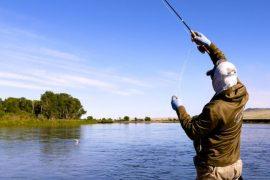
Why is a Fishing License Necessary?
- Legal Requirement: In most states, a fishing license is a legal requirement for anyone who wants to fish in public waters. Fishing without a valid license can result in fines and legal consequences.
- Conservation Efforts: The proceeds from fishing licenses directly contribute to conservation efforts. By purchasing a license, you're supporting initiatives such as fish stocking, habitat restoration, and research projects that help maintain healthy fish populations.
- Access to Fishing Opportunities: A fishing license grants you access to a wide range of fishing opportunities across the United States. From pristine lakes to scenic rivers, your license is your key to exploring the nation's diverse fishing destinations.
How to Obtain a Fishing License
Acquiring a fishing license is a straightforward process:
- Visit the Official Website: Head to the official website of the state where you plan to fish. You can find the relevant website by searching for "[State] fishing license" or visiting the U.S. Fish and Wildlife Service's website.
- Choose the Right License: Select the appropriate license based on factors such as your age, residency status, and the duration of your fishing trip. Options may include annual, short-term, or lifetime licenses.
- Provide Required Information: Fill out the necessary information, such as your name, address, and date of birth. You may also need to provide proof of residency or age.
- Make the Payment: Pay the license fee using a secure online payment method. The cost of a fishing license varies by state and license type.
- Receive Your License: Once the payment is processed, you'll receive your fishing license. You can either print it out or store it digitally on your smartphone for easy access.
Fishing License Regulations
It’s essential to familiarize yourself with the specific fishing regulations in the state where you plan to fish. These regulations cover aspects such as:
- Catch Limits: Each state has its own rules regarding the number and size of fish you can keep. Adhering to these limits helps maintain sustainable fish populations.
- Fishing Methods: Regulations may specify the types of fishing gear and techniques allowed, such as the number of rods or the use of live bait.
- Seasons and Locations: Certain fish species may have specific seasons or designated areas where fishing is permitted. Stay informed about any seasonal closures or restricted fishing zones.
The Benefits of Having a Fishing License
Beyond the legal requirement, having a fishing license offers several advantages:
Don’t let the excitement of fishing overshadow the responsibility of obtaining a valid license. By doing so, you’re not only ensuring a legal and enjoyable fishing experience but also contributing to the conservation of our nation’s aquatic resources.
Get ready to make a splash in 2024 with your fishing license in hand!
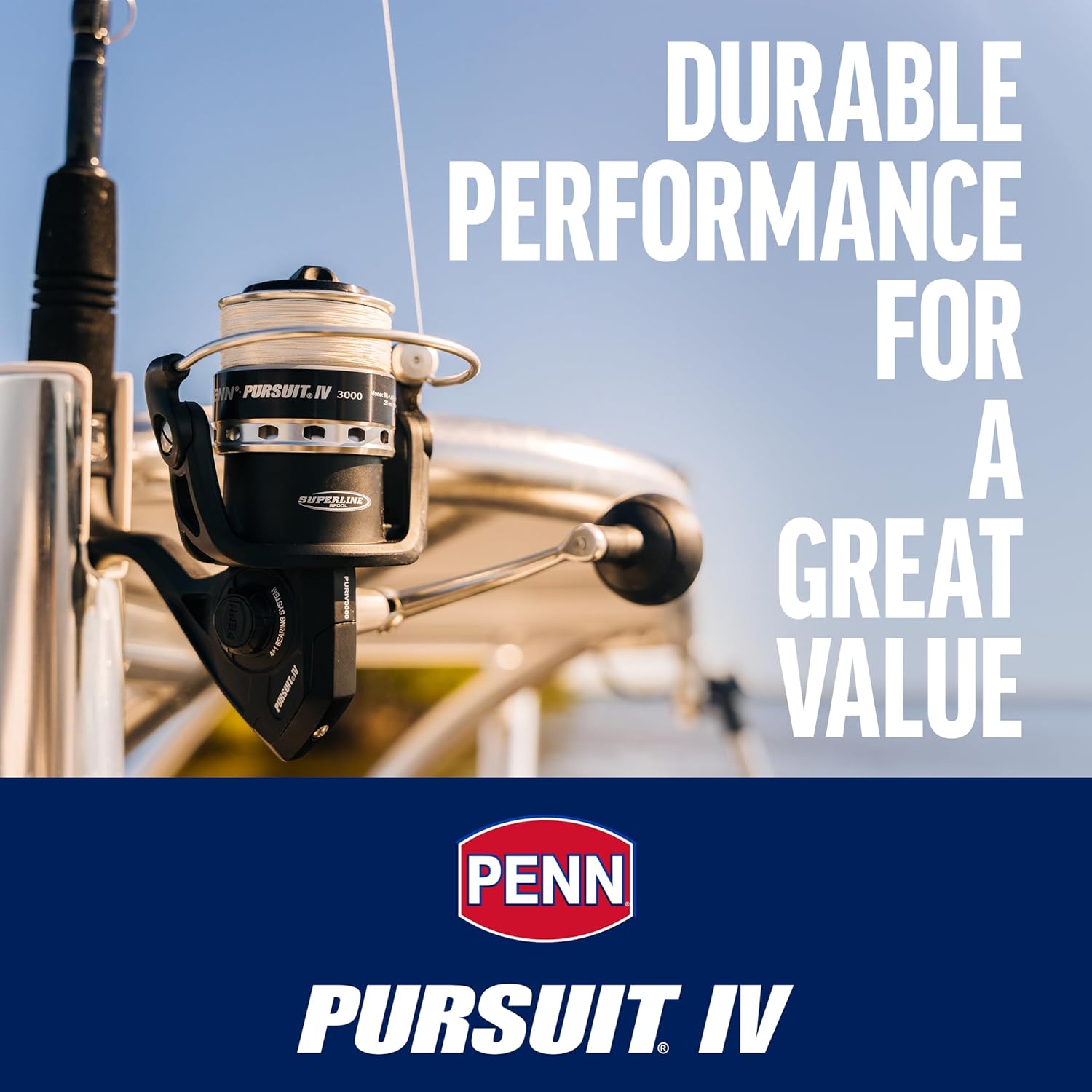
Penn Pursuit IV Spinning Combo