
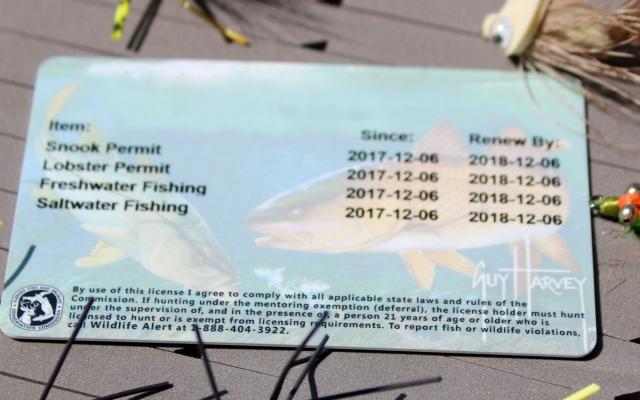
Why Do You Need a Fishing License?
A fishing license is essentially your passport to the aquatic world, granting access to partake in a treasured activity. But it’s not merely a formality; it represents a commitment to the stewardship and preservation of our rivers, lakes, and coastal waters.
By obtaining a license, you directly contribute to crucial conservation efforts spearheaded by local fish and wildlife agencies. These initiatives ensure the vitality of fish populations and their ecosystems for years to come through activities like:
- Monitoring fish stock health and implementing catch limits
- Habitat restoration projects: planting vegetation, modifying waterways, etc.
- Enforcing fishing regulations and protecting vulnerable species
- Supporting hatchery programs to supplement wild fish numbers
So while that small license fee may just seem like another tax, it goes a long way towards protecting the future of the sport for generations to come.
The Different Types of Fishing Licenses
Fishing licenses come in different shapes and sizes, catering to various needs and intentions. The most common types are:
Resident License
Resident licenses are designed for locals, offering state residents discounted rates and exclusive fishing access to specific areas. Proof of residency is generally required.
Daiwa BG Spinning Combo
Non-Resident License
For visitors coming in from out-of-state, non-resident licenses grant temporary fishing privileges within the state. They are typically more expensive than resident licenses.
Sport Fishing License
This covers recreational anglers who fish for pleasure rather than profit or commercial reasons. It’s the most common type purchased by casual anglers.
Commercial Fishing License
Required for those who rely on fishing to earn a living, like commercial fishermen and fishing guides. Special permits are needed for using certain gear or catching some fish species.
Factors That Influence Fishing License Costs
The fees attached to fishing licenses shift like the tides, changing based on several defining factors:
Duration
The longer the validity period, the higher the license rates. Options range from:
- Single-day passes are convenient and affordable if you occasionally dabble in the sport
- 10-day licenses are ideal for vacationers on a fishing trip
- Monthly or yearly licenses are perfect for regular hobbyists who love being on the water
Naturally, annual licenses present the best overall value for passionate anglers.
Residency Status
Residents enjoy discounted license fees compared to non-residents visiting from other states. Proof of residency is typically required to qualify for resident rates.
Age
Senior citizens over 65 usually receive reduced rates, making fishing more accessible as an enjoyable retirement activity. Also, kids below 15 or 16 can fish license-free in certain states.
Military Service
Active-duty military members and veterans are also eligible for license discounts or exemptions as a token of appreciation across many states.
The Price Tag on Fishing Licenses by State
The cost of a license fluctuates widely from state to state. To give you a rough idea,
| State | Resident License Fee | Non-Resident License Fee |
|---|---|---|
| California | $49.94 | $134.74 |
| Texas | $30 | $58 |
| Florida | $17.50 | $47.50 |
| Michigan | $26 | $76 |
| New York | $25 | $50 |
Table 1 shows current 2024 annual freshwater sport fishing license fees per state fishing authority websites
Bear in mind that these figures are ballpark estimates specific to the type, duration, and eligibility criteria highlighted earlier. Always verify license costs by checking state regulations with your local Department of Fish and Wildlife before purchasing.
Securing Your Fishing License
When you’re ready to secure your ticket to fishing paradise, you’ve got several options:
Online
The most convenient method is through official state websites that securely process payments and deliver digital or physical licenses. Some popular examples:
In-Person
Visiting local approved retailers like bait & tackle shops, sporting goods stores, or Walmart and CVS in some states. Payment is made on the spot, and licenses are issued after verification.
By Mail
Particularly catering to senior residents, mail-in applications can still be processed with payment and documents sent by post in some old-school states.
Do fishing licenses ever expire?
Yes, definitely. Fishing licenses have an expiration date tied to the duration chosen at purchase. This can range from a single-day validity for one-off recreational permits to a maximum of 12 months for annual licenses in most states.
It’s critical to be aware of your license’s expiration date to avoid lapsing. Carrying an expired license equates to fishing illegally!
Can Other States Honor My Existing Fishing License?
This depends on specific state agreements. For instance, some New England states, like Maine, New Hampshire, and Rhode Island, mutually honor each other’s recreational saltwater fishing licenses.
Similarly, the new Interstate Wildlife Violator Compact (IWVC) enforces license suspensions across member states. This means violations in one state can result in losing fishing privileges in all participating states.
However, freshwater licenses are rarely honored outside the state of issue. So it’s generally safer to assume your existing license is valid only in its home state.
FAQs
Q: How much does a fishing license cost in Texas?
A: In Texas, the cost of a resident combination hunting and fishing license is $48, while the non-resident license costs $315. Senior and youth licenses are available at a discounted rate.
Q: How much does a freshwater fishing license cost in Florida?
A: In Florida, a 12-month resident freshwater fishing license costs $17, while a non-resident license costs $47 for 3 days, $17 for 7 days, and $47 for 12 months.
Q: How much does a fishing license cost in California?
A: In California, the cost of a resident sport fishing license is $52.66, while a non-resident license is $142.05. Reduced-fee and lifetime licenses are available for qualifying individuals.
Do I need a fishing license to fish on private property?
Generally, you don’t need a license to fish on private property. However, it’s always best to check local regulations.
Can I use my fishing license in another state?
No, fishing licenses are state-specific. You’ll need to purchase a non-resident license to fish in another state.