
Types of Fishing Licenses Available at Walmart
Walmart offers several types of fishing licenses to accommodate different angling needs:
- Annual Fishing License: Valid for one year from the purchase date, allowing fishing in designated areas.
- Short-Term Fishing License: Options typically include 3-day, 7-day, or 14-day licenses for brief fishing trips.
- Combination Hunting and Fishing License: Covers both activities, often at a discounted rate compared to purchasing separate licenses.
- Saltwater Fishing License: Required in some states for saltwater fishing.
- Trout Stamp or Endorsement: Necessary in certain states if you plan to fish for trout species.
- Lifetime Fishing License: A cost-effective option for avid anglers, valid for the holder's lifetime.
Cost of Fishing Licenses at Walmart
The price of a fishing license at Walmart varies based on factors such as type and state. Here are some examples:
- Texas: Annual Resident Fishing License - $35 (Texas Parks and Wildlife Department)
- Florida: Annual Resident Freshwater Fishing License - $17 (Florida Fish and Wildlife Conservation Commission)
- California: Annual Resident Sport Fishing License - $51.02 (California Department of Fish and Wildlife)
- New York: Annual Resident Fishing License - $25 (New York State Department of Environmental Conservation)
Prices are subject to change; always check with your state’s wildlife agency or Walmart’s website for the most current information.
How to Obtain a Fishing License at Walmart: A Step-by-Step Guide
Acquiring a fishing license at Walmart is a simple and efficient process. Follow these steps to ensure you get your license without any hassle:
- Research State Requirements: Before heading to Walmart, check the specific fishing license requirements for the state where you plan to fish. This information can usually be found on your state’s wildlife agency website.
- Visit the Sporting Goods Section: Once you arrive at Walmart, go to the sporting goods section, which has a designated area for fishing licenses.
- Choose the Right License: Based on your prior research, identify the type of fishing license you need (e.g., annual, short-term, saltwater) and locate it in the license kiosk or counter.
- Provide Personal Information: You will need to provide personal details such as your name, address, date of birth, and possibly additional information like residency status or proof of identification.
- Select License Options: Follow the prompts to choose the appropriate license type, duration, and any necessary endorsements or stamps for your fishing activities.
- Make Payment: After selecting your license, proceed to payment using cash, credit/debit card, or any other accepted payment method at Walmart.
- Receive Your License: Once payment is complete, you will receive your fishing license. It may be printed immediately or sent electronically, depending on state procedures.
- Review Regulations: Take time to read through the regulations and guidelines provided with your license. This information will include important details about fishing seasons, catch limits, and other rules specific to your state or fishing areas.
By following these steps, you can ensure that you have the proper licensing to enjoy your fishing experience while adhering to local regulations. Remember that it is your responsibility as an angler to comply with all applicable laws and regulations to avoid fines or penalties.
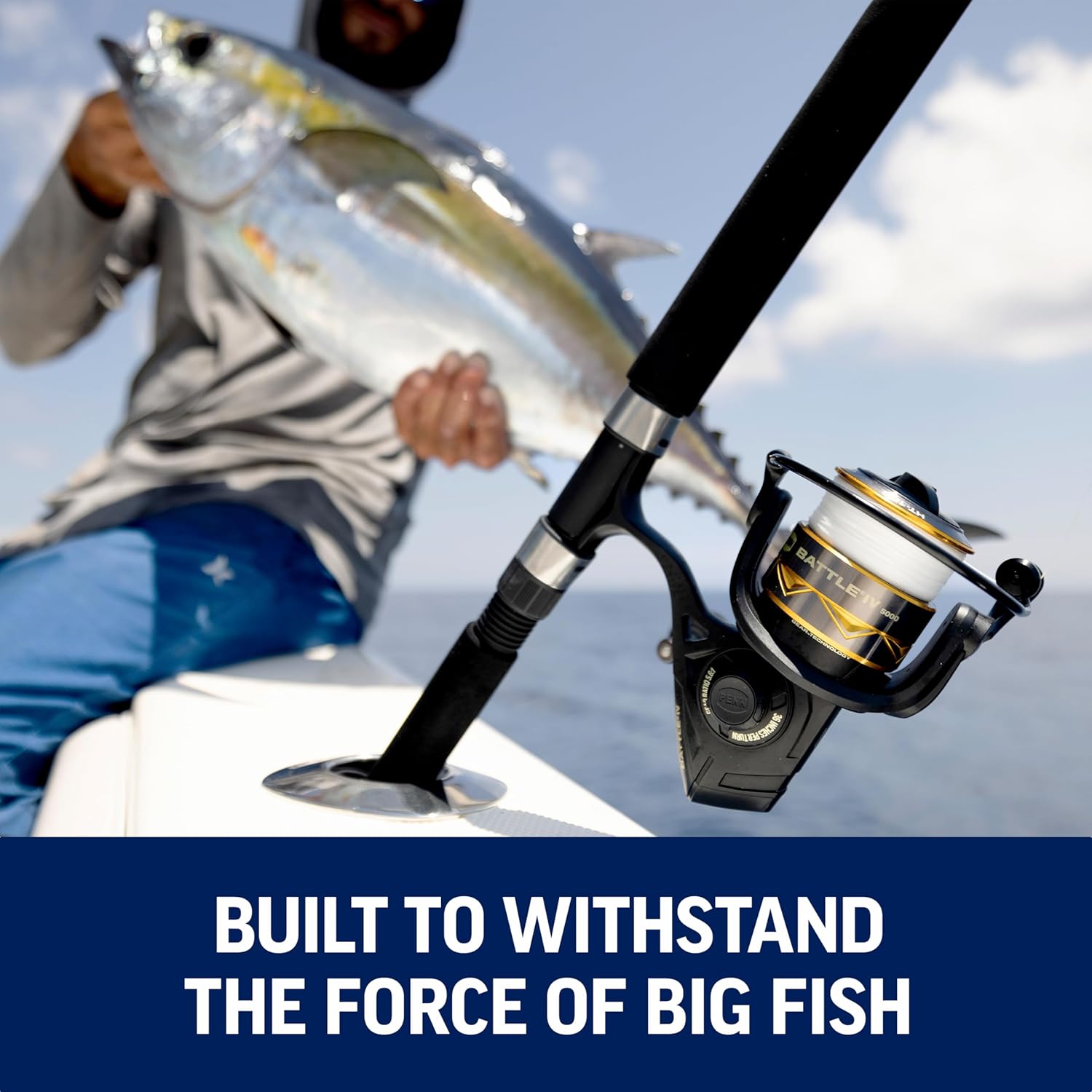
Penn Battle III Surf Spinning Combo
Importance of Fishing Licenses in Conservation Efforts
Fishing licenses play a vital role in supporting conservation efforts:
- Funding for Fisheries Management: Revenue from fishing licenses supports state wildlife agencies responsible for managing fish populations and habitats (Indiana DNR).
- Habitat Protection and Restoration: Fees help finance projects aimed at protecting critical aquatic habitats.
- Monitoring and Research: Funds enable ongoing monitoring and research activities that provide valuable data on fish populations.
- Public Education and Outreach: A portion of license revenue is dedicated to educating anglers about responsible practices and conservation issues.
By purchasing a fishing license, you contribute to sustainable practices that protect aquatic ecosystems for future generations.