
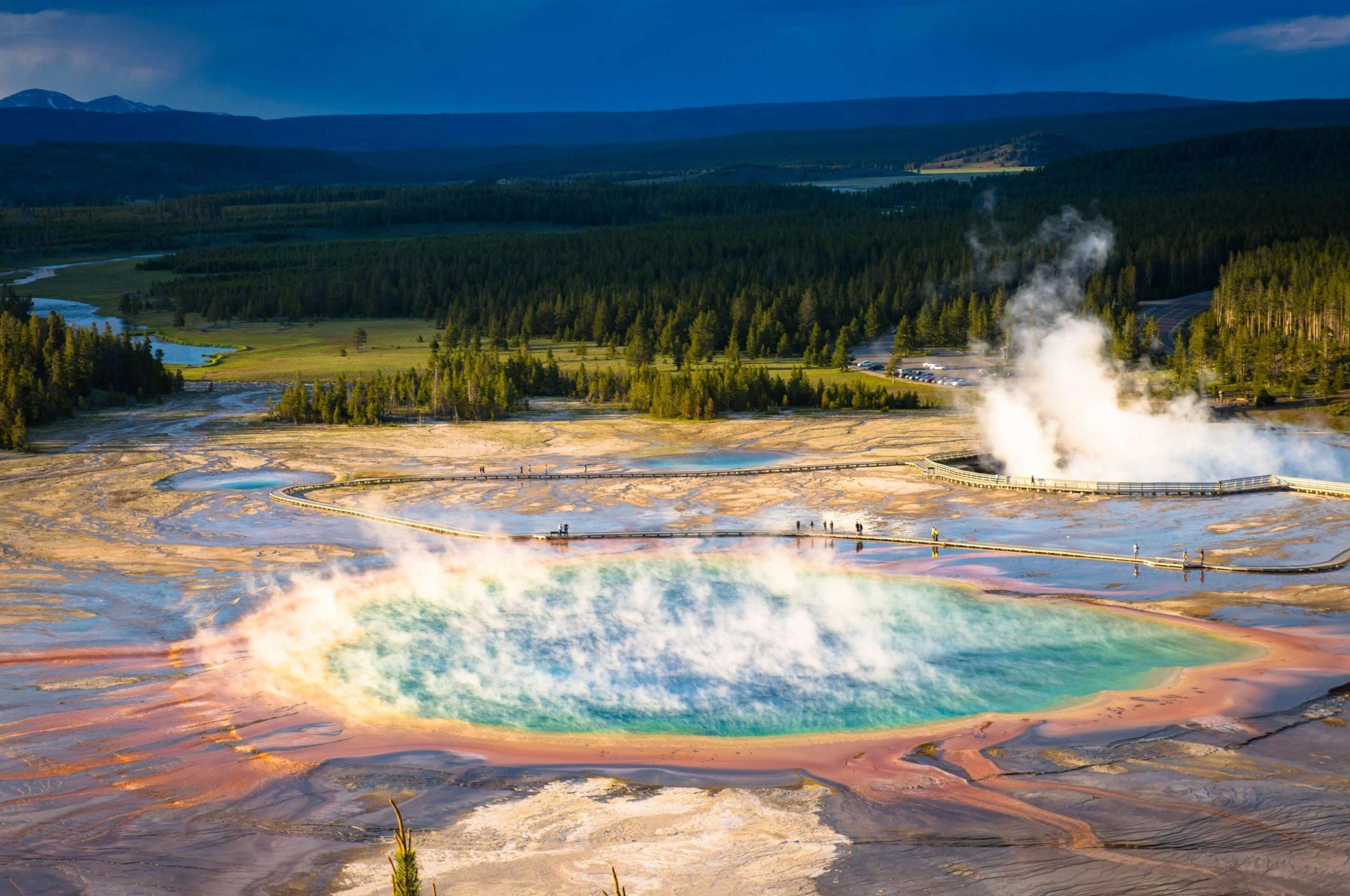
In this article, we’ll dive into the data to reveal the top 10 fishing destinations in the USA, based on the number of non-resident fishing licenses, tags, permits, and stamps issued in 2024. Whether you’re a seasoned pro or a curious newcomer, these states offer something for every type of angler. So grab your rod and reel, and let’s explore the best places to wet a line in the land of the free and the home of the brave.
1. Florida: The Sunshine State Shines Bright
Non-resident fishing licenses, tags, permits, & stamps issued, 2024: 865,659 (33.6% of total) Non-resident fishing license, tag, permit, & stamp sales, 2024: $23,914,813 (50.9% of total) State surface area covered by water: 12,133 square miles (18.5% of surface area — 7th highest of 50 states) Shoreline (incl. Great Lakes): 8,436 miles
It’s no surprise that Florida tops our list. The Sunshine State is an angler’s paradise, with 8,436 miles of coastline and over 12,000 square miles of fishable water. From the legendary tarpon and bonefish flats of the Florida Keys to the redfish-rich marshes of the Panhandle, Florida offers an unparalleled diversity of saltwater fishing opportunities.
But it’s not just about the ocean - Florida’s freshwater fisheries are equally impressive. The state’s 7,700 lakes and 10,550 miles of rivers are home to largemouth bass, crappie, catfish, and more. With a year-round fishing season and a welcoming community of anglers, it’s no wonder that Florida issued over 865,000 non-resident fishing licenses in 2024, accounting for a third of all licenses sold in the state.
2. Colorado: Rocky Mountain High
Non-resident fishing licenses, tags, permits, & stamps issued, 2024: 513,546 (35.1% of total) Non-resident fishing license, tag, permit, & stamp sales, 2024: $11,919,133 (36.9% of total) State surface area covered by water: 452 square miles (0.4% of surface area — 3rd lowest of 50 states) Shoreline (incl. Great Lakes): None
From the towering peaks of the Rockies to the rushing rivers of the Front Range, Colorado is a mecca for freshwater fishing enthusiasts. Despite having only 0.4% of its surface area covered by water, the Centennial State punches well above its weight when it comes to angling opportunities.
Colorado’s rivers and streams are renowned for their world-class trout fishing, with species like rainbow, brown, brook, and cutthroat trout thriving in the cold, clear waters. The state is also home to several trophy trout lakes, including Blue Mesa Reservoir, the largest body of water in Colorado.
But it’s not just about the trout - Colorado’s warm water fisheries are equally impressive, with species like largemouth bass, walleye, and catfish providing exciting opportunities for anglers of all skill levels. With over 500,000 non-resident fishing licenses issued in 2024, Colorado is clearly a destination of choice for out-of-state anglers.
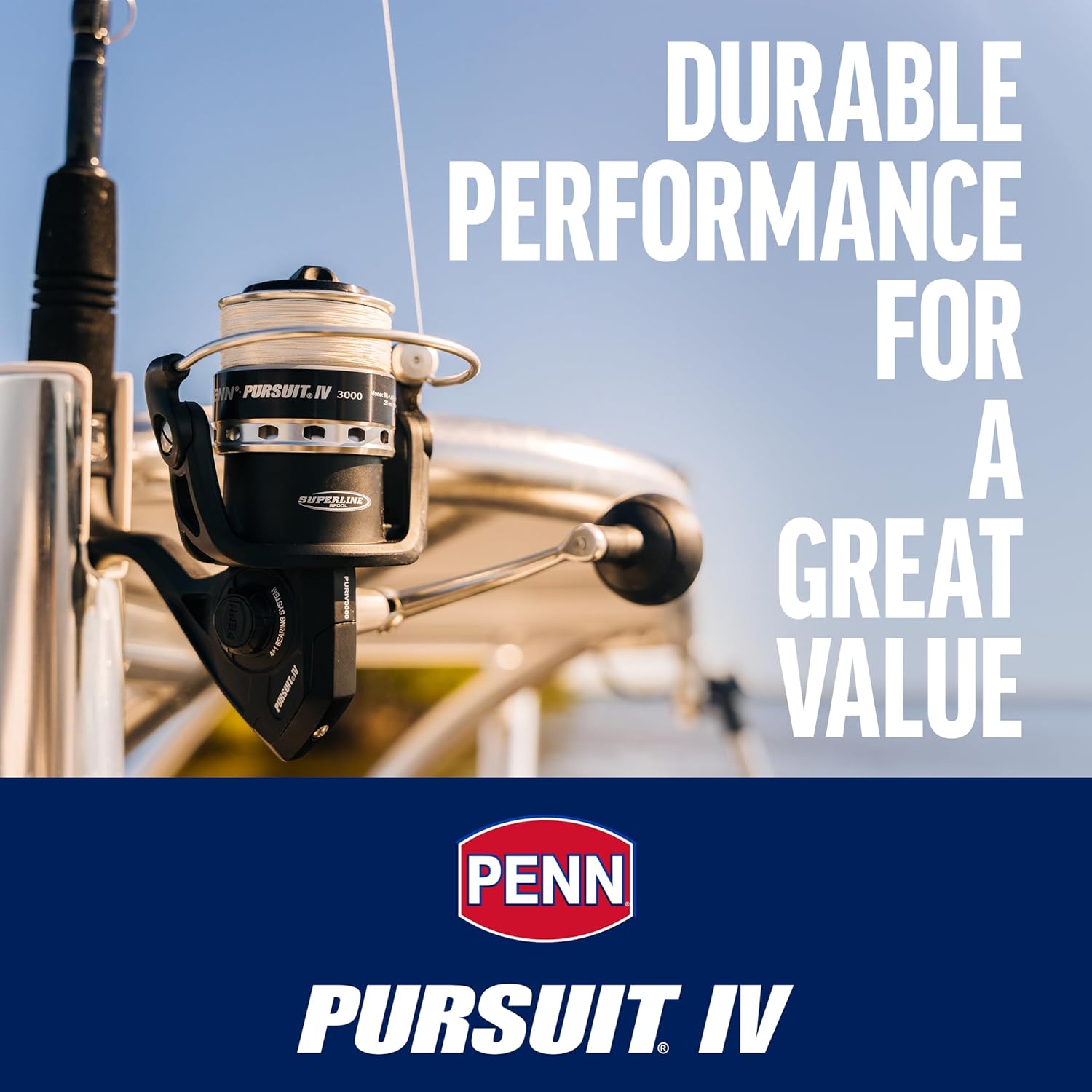
Penn Pursuit IV Spinning Combo
3. Wyoming: Wide Open Spaces, World-Class Fishing
Non-resident fishing licenses, tags, permits, & stamps issued, 2024: 227,271 (65.5% of total)
Wyoming may be known for its rugged landscapes and cowboy culture, but it’s also a hidden gem for anglers. Despite its landlocked location, the Equality State boasts an impressive array of fishing opportunities, from the trout-rich waters of Yellowstone National Park to the bass-filled reservoirs of the eastern plains.
What sets Wyoming apart is the sheer percentage of non-resident anglers who flock to its waters. In 2024, a whopping 65.5% of all fishing licenses issued in the state went to out-of-state visitors. This is a testament to the quality and diversity of Wyoming’s fisheries, as well as the welcoming nature of its fishing community.
Whether you’re casting for cutthroat trout in the Snake River, trolling for kokanee salmon in Flaming Gorge Reservoir, or fly fishing for golden trout in the Wind River Range, Wyoming offers a truly unforgettable angling experience. And with over 4,200 lakes and 27,000 miles of streams to explore, you’ll never run out of new waters to discover.
4. Georgia: The Peach State’s Fishing Bounty
Non-resident fishing licenses, tags, permits, & stamps issued, 2024: 229,682 (14.0% of total) Non-resident fishing license, tag, permit, & stamp sales, 2024: $3,256,229 (20.4% of total) State surface area covered by water: 1,912 square miles (3.7% of surface area — 23rd highest of 50 states) Shoreline (incl. Great Lakes): 2,344 miles
Georgia may be best known for its peaches and peanuts, but it’s also a powerhouse when it comes to fishing. With nearly 230,000 non-resident fishing licenses issued in 2024, the Peach State is clearly a popular destination for out-of-state anglers.
Georgia’s diverse geography, which includes everything from the Appalachian Mountains to the Atlantic coast, provides a wide range of fishing opportunities. In the north, trout anglers can explore over 4,000 miles of trout streams, including the famed Chattahoochee River. Further south, the state’s many reservoirs, such as Lake Lanier and Lake Oconee, offer excellent fishing for bass, crappie, and catfish.
But it’s Georgia’s coastal fisheries that really set it apart. With 100 miles of coastline and a vast network of tidal creeks, marshes, and barrier islands, the state offers world-class inshore and nearshore fishing for species like redfish, speckled trout, flounder, and tarpon. And with a mild climate that allows for year-round fishing, it’s no wonder that Georgia is a top destination for anglers from around the country.
5. Texas: Everything’s Bigger in the Lone Star State
While specific non-resident license data wasn’t available for Texas, it’s impossible to ignore the Lone Star State’s outsized impact on the fishing world. With over 1.6 million paid fishing license holders in 2024, Texas has the greatest number of anglers of any state in the country.
And it’s not hard to see why. Texas boasts an incredible diversity of fishing opportunities, from the bass-rich lakes of the Hill Country to the redfish-filled bays of the Gulf Coast. The state is home to some of the country’s most iconic fishing destinations, including Lake Fork, which has produced more than 65% of the Texas Top 50 largest bass, and the Lower Laguna Madre, which is widely regarded as one of the best speckled trout fisheries in the world.
But it’s not just about the quantity of fish - Texas is also known for the quality of its fisheries management. The state’s parks and wildlife department has implemented a range of innovative programs to enhance and conserve its aquatic resources, including fish stocking, habitat restoration, and angler education initiatives.
6. California: The Golden State’s Fishing Gold Rush
Like Texas, California is another state that likely ranks highly for non-resident fishing licenses based on its overall popularity and diversity of opportunities. With over 800 miles of coastline and thousands of lakes, rivers, and streams, the Golden State is a veritable gold mine for anglers.
California’s fishing opportunities are as varied as its geography. In the north, the state’s legendary trout streams, such as the McCloud River and the Upper Sacramento, draw fly anglers from around the world. Further south, the Sierra Nevada mountains are home to hundreds of high-elevation lakes and streams, offering a chance to catch everything from brook trout to golden trout, the state fish of California.
But it’s California’s coastal fisheries that really steal the show. From the rugged, rocky shores of the north coast to the sun-drenched beaches of Southern California, the state offers incredible opportunities for both inshore and offshore fishing. Anglers can target everything from rockfish and lingcod to tuna and marlin, depending on the season and location.
7. North Carolina: The Old North State’s New Fishing Frontier
Non-resident fishing licenses, tags, permits, & stamps issued, 2024: 287,574 (28.8% of total) Non-resident fishing license, tag, permit, & stamp sales, 2024: $6,585,148 (22.8% of total) State surface area covered by water: 5,201 square miles (9.7% of surface area — 15th highest of 50 states) Shoreline (incl. Great Lakes): 3,375 miles
North Carolina may be one of the original 13 colonies, but it’s also a rising star in the fishing world. With nearly 290,000 non-resident fishing licenses issued in 2024, the Tar Heel State is clearly attracting anglers from far and wide.
And for good reason. North Carolina’s fishing opportunities are as diverse as they are abundant. In the western part of the state, the Appalachian Mountains provide excellent trout fishing in scenic streams and rivers. Moving east, the Piedmont region is home to numerous reservoirs, such as Lake Norman and Jordan Lake, which offer great fishing for bass, crappie, and catfish.
But it’s North Carolina’s coastal fisheries that really set it apart. With over 300 miles of coastline and a vast network of sounds, bays, and barrier islands, the state offers incredible opportunities for both inshore and offshore fishing. Anglers can target everything from redfish and speckled trout in the shallow waters of the Outer Banks to king mackerel and sailfish in the deep waters of the Gulf Stream.
8. South Carolina: The Palmetto State’s Fishing Paradise
South Carolina may be small in size, but it punches well above its weight when it comes to fishing. With a diverse array of freshwater and saltwater opportunities, the Palmetto State has something to offer anglers of all skill levels and interests.
In the upstate region, trout anglers can explore the scenic streams and rivers of the Blue Ridge Mountains, while bass enthusiasts can fish the state’s many reservoirs, such as Lake Murray and Lake Hartwell. Moving towards the coast, the Santee Cooper Lakes (Marion and Moultrie) are known for producing monster catfish and striped bass.
But it’s South Carolina’s saltwater fisheries that really shine. With over 180 miles of coastline and numerous bays, sounds, and estuaries, the state offers incredible inshore fishing for species like redfish, speckled trout, and flounder. Offshore, anglers can target everything from king mackerel and Spanish mackerel to dolphin (mahi-mahi) and wahoo.
9. Alabama: The Heart of Dixie’s Fishing Heartland
Alabama may be known for its football and barbecue, but it’s also a hidden gem for anglers. With a diverse array of freshwater and saltwater opportunities, the Heart of Dixie has something to offer for every type of fishing enthusiast.
In the northern part of the state, the Tennessee River and its tributaries provide excellent fishing for bass, crappie, and catfish. The state’s many reservoirs, such as Lake Guntersville and Wheeler Lake, are also popular destinations for bass anglers.
But it’s Alabama’s Gulf Coast that really sets it apart. With over 60 miles of coastline and numerous bays, bayous, and barrier islands, the state offers world-class inshore and nearshore fishing for species like redfish, speckled trout, and flounder. Offshore, anglers can target everything from red snapper and grouper to tuna and marlin.
10. Louisiana: The Sportsman’s Paradise
Louisiana may be the last state on our list, but it’s certainly not least when it comes to fishing. Known as the “Sportsman’s Paradise,” the Pelican State offers an incredible array of freshwater and saltwater opportunities, from the bass-filled lakes of the north to the redfish-rich marshes of the coast.
In the northern part of the state, anglers can explore the many lakes and rivers of the Kisatchie National Forest, which offer excellent fishing for bass, crappie, and catfish. The state’s many bayous and backwaters also provide great opportunities for catching largemouth bass, as well as exotic species like bowfin and gar.
But it’s Louisiana’s coastal fisheries that really put it on the map. With over 7,000 miles of tidal shoreline and a vast network of marshes, bays, and barrier islands, the state offers incredible inshore fishing for species like redfish, speckled trout, and flounder. Offshore, anglers can target everything from red snapper and cobia to tuna and billfish.