
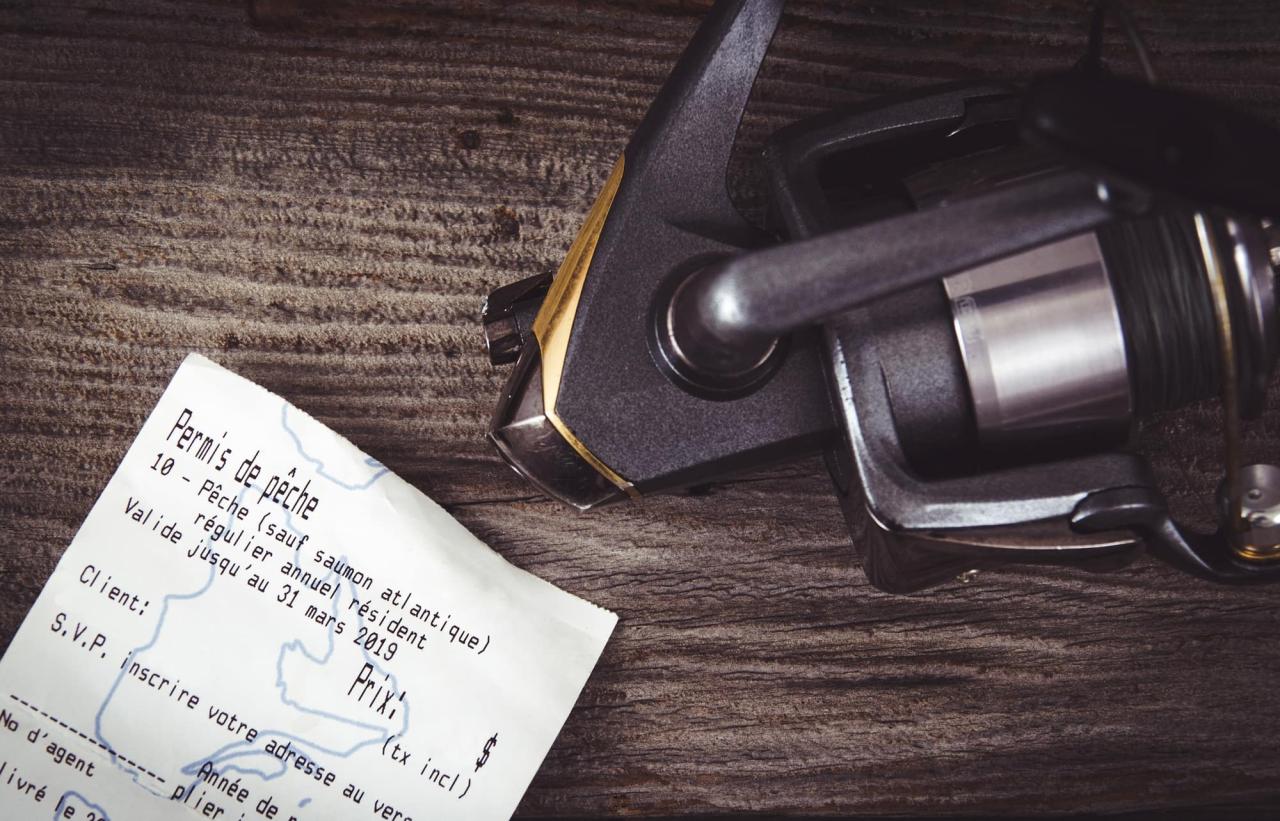
Why Do You Need a Fishing License?
Fishing licenses serve several important purposes:
- Conservation Funding: A significant portion of the revenue generated from fishing license sales goes directly towards funding state and federal conservation programs. These programs are essential for maintaining healthy fish populations, restoring habitats, conducting research, and ensuring the sustainability of our aquatic resources.
- Monitoring and Management: Licensing systems allow wildlife agencies to monitor and manage fishing activities effectively. By tracking the number of anglers and their catch, agencies can make informed decisions about regulations, stocking programs, and habitat management.
- Ethical Fishing Practices: Fishing licenses help promote ethical and responsible fishing practices. Many licenses come with regulations and guidelines that anglers must follow, such as catch limits, size restrictions, and seasonal closures, which help protect fish populations and their habitats.
Types of Fishing Licenses
Fishing licenses come in various forms, each tailored to specific needs and circumstances. Here are some common types of fishing licenses:
Resident and Non-Resident Licenses
Most states offer separate licenses for residents and non-residents. Resident licenses are typically less expensive and may offer additional privileges, such as access to certain bodies of water or extended seasons.
Freshwater and Saltwater Licenses
Some states require separate licenses for freshwater and saltwater fishing. Freshwater licenses cover inland lakes, rivers, and streams, while saltwater licenses are necessary for fishing in coastal waters, bays, and the open ocean.
Annual and Short-Term Licenses
Annual licenses are valid for an entire year, usually from the date of purchase or a predetermined start date. Short-term licenses, such as daily or weekly permits, are available for those who plan to fish for a limited period.
Combination Licenses
Many states offer combination licenses that cover both freshwater and saltwater fishing, as well as hunting privileges. These licenses can be a cost-effective option for outdoor enthusiasts who enjoy multiple activities.
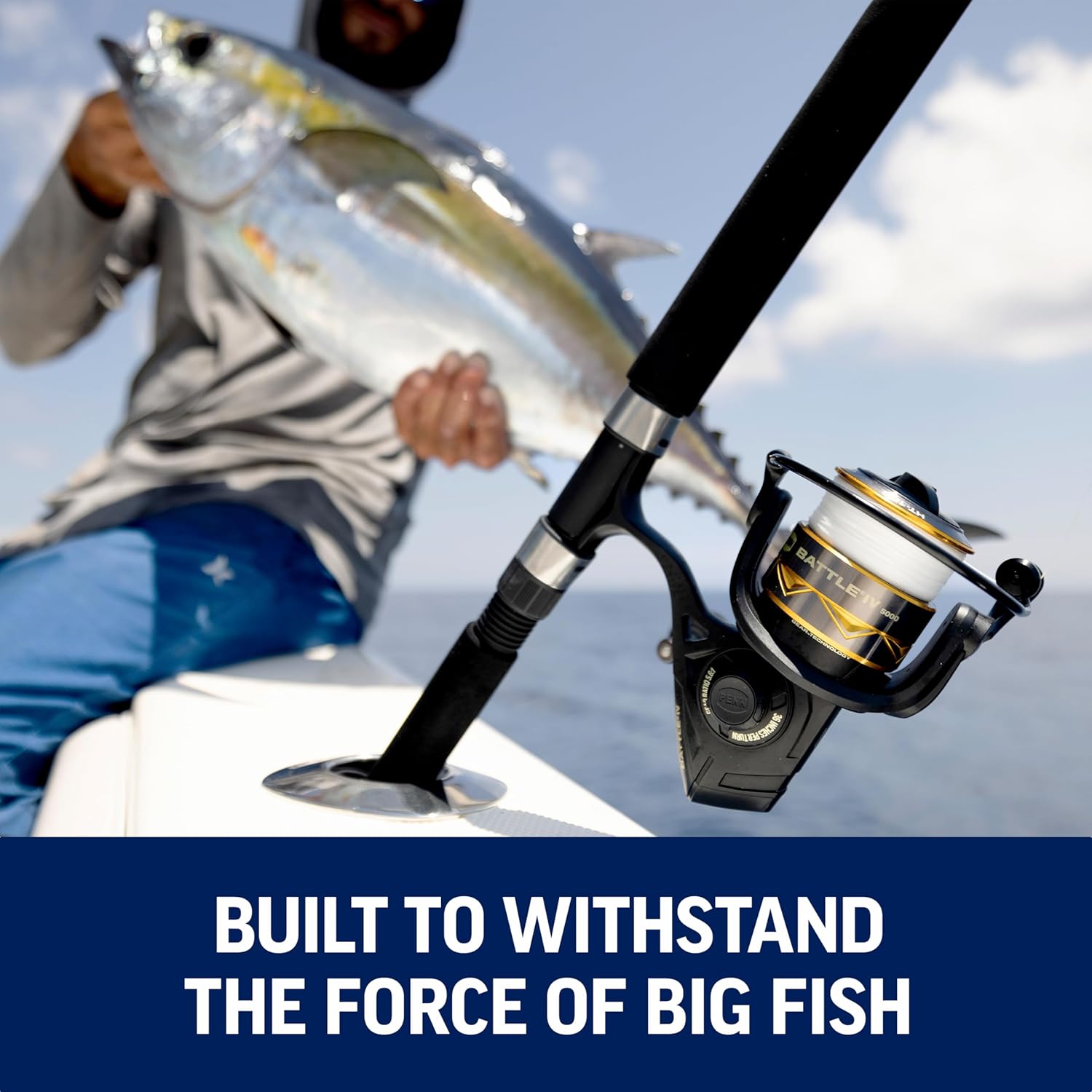
Penn Battle III Surf Spinning Combo
Special Permits and Stamps
In addition to basic fishing licenses, some states require special permits or stamps for certain species or fishing methods. For example, you may need a trout stamp to fish for trout in designated waters or a saltwater stamp for specific saltwater species.
Fishing License Fees
Fishing license fees vary widely from state to state and are subject to change annually. Generally, resident licenses are less expensive than non-resident licenses, and fees may be discounted for seniors, youth, or disabled anglers. Here are some examples of typical fishing license fees:
- Resident Annual Freshwater License: $15 - $35
- Non-Resident Annual Freshwater License: $40 - $80
- Resident Annual Saltwater License: $10 - $25
- Non-Resident Annual Saltwater License: $20 - $60
- Short-Term Licenses: $5 - $20 (daily or weekly)
It’s important to note that these fees are approximate and can vary significantly based on your state’s regulations. Always check with your state’s wildlife agency for the most up-to-date information on license fees and requirements.
Fishing Regulations and Restrictions
Along with obtaining the appropriate fishing license, anglers must also comply with various regulations and restrictions designed to protect fish populations and maintain a healthy ecosystem. These regulations may include:
Catch Limits
Most states impose daily or annual catch limits for certain species, which specify the maximum number of fish an angler can legally keep. These limits help prevent overfishing and ensure sustainable populations.
Size Restrictions
Size restrictions dictate the minimum or maximum size of fish that can be legally kept. These regulations protect juvenile fish and allow larger, more mature individuals to reproduce, ensuring the long-term viability of the species.
Seasonal Closures
Certain bodies of water or specific fish species may be subject to seasonal closures, during which fishing is prohibited. These closures are typically implemented to protect fish during spawning seasons or to allow populations to recover from overfishing.
Gear Restrictions
Some states regulate the types of fishing gear that can be used, such as the number of hooks, the use of live bait, or the size of nets. These restrictions help ensure fair and ethical fishing practices and prevent excessive harvesting.
Protected Species
Certain fish species may be designated as protected or endangered, making it illegal to target or keep them. Anglers must be aware of these species and take appropriate measures to avoid harming them.
How to Obtain a Fishing License
Obtaining a fishing license is a straightforward process, with several convenient options available:
Online Licensing
Most state wildlife agencies offer online licensing systems, allowing you to purchase and print your license from the comfort of your home or on the go. These systems often provide detailed information on license types, fees, and regulations.
Retail Outlets
Fishing licenses can typically be purchased at various retail outlets, such as sporting goods stores, bait and tackle shops, and some general merchandise stores. These outlets may also offer additional fishing-related products and services.
State Wildlife Offices
You can visit your state’s wildlife agency offices or service centers to purchase a fishing license in person. This option may be particularly useful if you have specific questions or need assistance with the licensing process.
Mobile Applications
Some states have developed mobile applications that allow you to purchase and display your fishing license on your smartphone or tablet, eliminating the need for a physical license.
Remember, it’s essential to carry your valid fishing license with you whenever you’re fishing, as wildlife officers may request to see it at any time.
Fishing License Exceptions and Free Fishing Days
While fishing licenses are generally required for most anglers, there are some exceptions and special occasions when licenses may not be necessary:
Age Exceptions
Many states offer free or discounted fishing licenses for children under a certain age, typically ranging from 12 to 16 years old. Additionally, some states exempt senior citizens from licensing requirements or offer reduced fees.
Disability Exceptions
Some states offer free or discounted fishing licenses for individuals with disabilities, recognizing the therapeutic and recreational benefits of fishing.
Private Property Exceptions
In certain states, anglers may be exempt from licensing requirements when fishing on private property, provided they have the landowner’s permission.
It’s important to note that these exceptions and free fishing days may vary from state to state, and anglers should always check with their local wildlife agency for the most up-to-date information.