
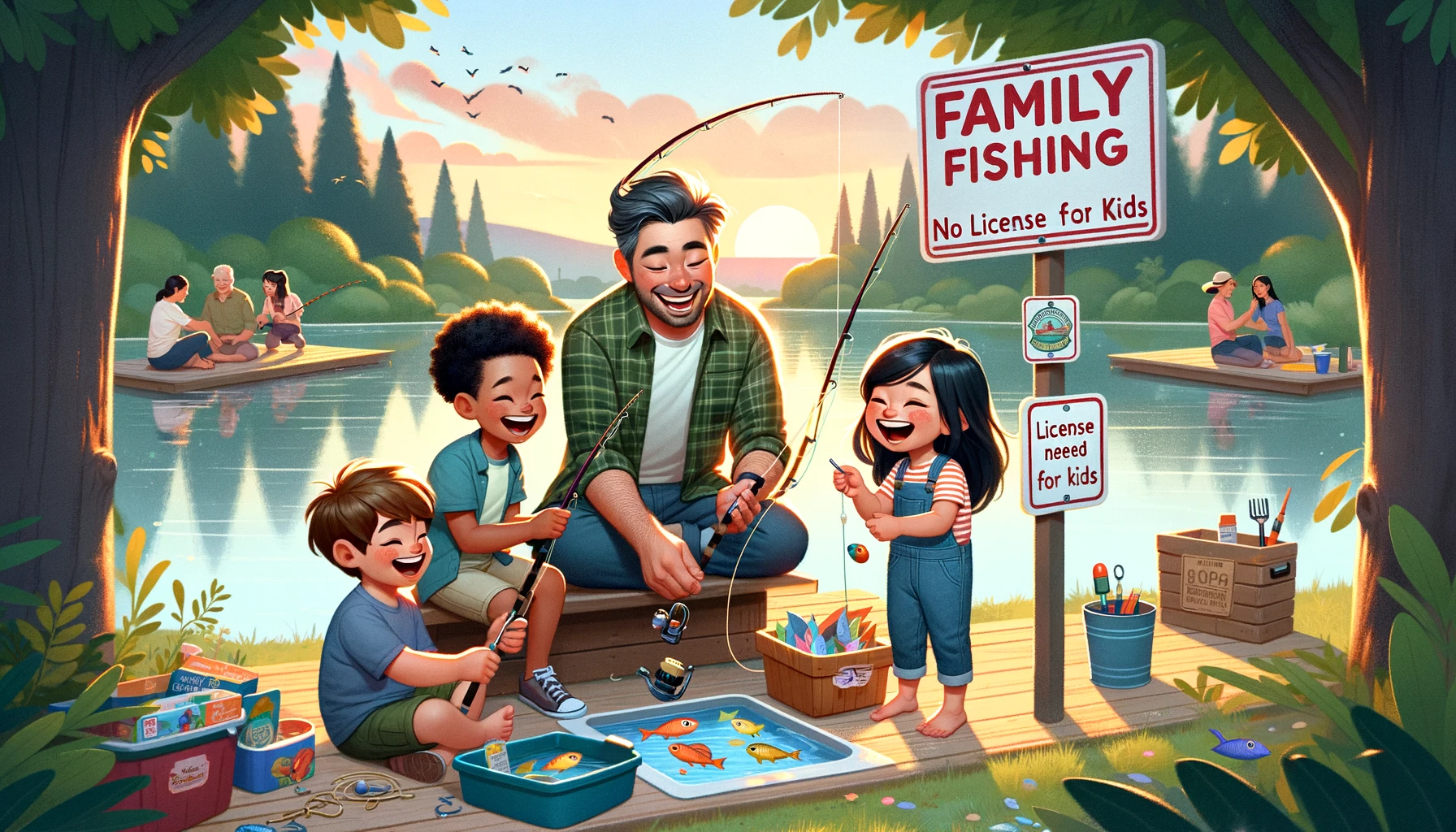
Quick Answer: In most states, children under a certain age (usually 16) can fish without a license when accompanied by a licensed adult. Additionally, many states offer free fishing days or special youth fishing events where no license is required. Always check your local regulations before heading out.
Understanding Fishing License Requirements for Kids
Before planning your fishing trip, it’s crucial to understand the fishing license requirements for children in your area. While regulations vary by state, there are some general trends:
- Age Exemptions: Most states allow children under a certain age (typically 16) to fish without a license when accompanied by a licensed adult.
- Free Fishing Days: Many states offer designated days throughout the year when anyone can fish without a license, providing excellent opportunities for family outings.
- Special Youth Programs: Some states have implemented youth fishing programs that allow children to fish for free or at a reduced cost.
To ensure compliance with local regulations, visit your state’s fish and wildlife department website or contact them directly. For example, the California Department of Fish and Wildlife provides detailed information on fishing licenses and regulations for the state.
Essential Gear for Kid-Friendly Fishing
Equipping your children with the right gear is crucial for a successful and enjoyable fishing experience. Here’s a list of essential items:
- Rod and Reel Combo: Choose a lightweight, easy-to-handle combo designed for children. Spincast reels are often the best choice for beginners due to their simplicity.
- Fishing Line: Use a monofilament line with a light test weight (4-6 lb) for most freshwater fishing situations.
- Hooks: Start with small, barbless hooks (sizes 6-10) to make unhooking easier and safer.
- Bobbers: Brightly colored bobbers help kids visualize where their bait is and when they're getting a bite.
- Bait: Live bait like worms or crickets are excellent for beginners. Alternatively, use artificial lures like soft plastic worms or small jigs.
- Tackle Box: A small, compartmentalized box to organize hooks, lures, and other accessories.
- Pliers: Needle-nose pliers for removing hooks and cutting line.
- First Aid Kit: Include band-aids, antiseptic wipes, and any necessary medications.
- Sun Protection: Sunscreen, hats, and sunglasses to protect against harmful UV rays.
- Life Jackets: Essential for safety when fishing near deep water or from a boat.
Remember, quality doesn’t always mean expensive. Many sporting goods stores offer affordable starter kits designed specifically for young anglers.
Choosing the Perfect Fishing Spot
Selecting an appropriate fishing location is key to ensuring a positive experience for young anglers. Consider the following factors when choosing your spot:
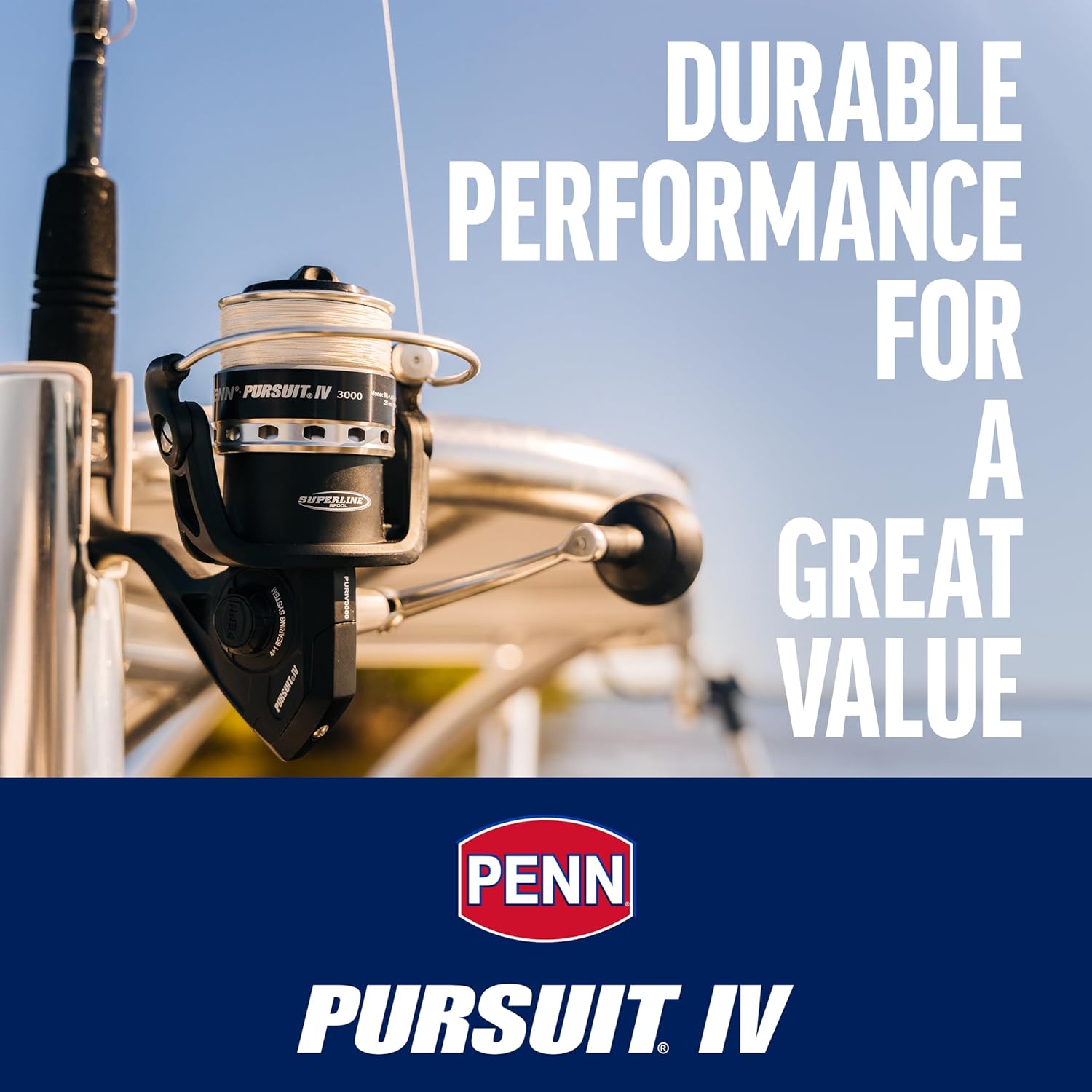
Penn Pursuit IV Spinning Combo
- Accessibility: Look for locations with easy access, such as public parks with fishing piers or shorelines with gentle slopes.
- Fish Population: Choose areas known for abundant and easy-to-catch species like bluegill, perch, or small bass.
- Amenities: Opt for locations with nearby restrooms, picnic areas, and parking facilities for added comfort.
- Safety: Ensure the area is safe for children, with minimal hazards and calm water conditions.
Some excellent options for kid-friendly fishing include:
- Local Ponds: Often stocked with fish and featuring easy access.
- Community Lakes: Many offer designated fishing areas and may even host youth fishing events.
- State Parks: Frequently provide well-maintained fishing spots and additional recreational activities.
- Fishing Piers: Offer a safe and stable platform for fishing without the need for a boat.
To find suitable locations in your area, consult resources like:
- Take Me Fishing's Places to Fish & Boat Map
- Your state's fish and wildlife department website
- Local fishing forums and social media groups
Teaching Basic Fishing Techniques
Once you’ve gathered your gear and chosen a location, it’s time to teach your kids the basics of fishing. Here’s a step-by-step guide to get them started:
- Casting:
- Demonstrate the proper grip on the rod and reel.
- Show how to release the line and swing the rod forward.
- Practice casting in an open area before heading to the water.
- Baiting the Hook:
- Teach kids how to safely handle hooks and bait.
- Demonstrate proper baiting techniques for different types of bait.
- Watching the Bobber:
- Explain how the bobber's movement indicates a fish is biting.
- Teach patience and the importance of staying alert.
- Setting the Hook:
- Demonstrate how to quickly lift the rod tip when a fish bites.
- Practice the motion on dry land before trying it with real fish.
- Reeling in the Fish:
- Show how to maintain tension on the line while reeling.
- Teach the importance of not reeling too quickly.
- Handling the Catch:
- Demonstrate how to safely remove the hook.
- Teach proper catch-and-release techniques if not keeping the fish.
Remember to be patient and encouraging throughout the learning process. Celebrate small victories, like successful casts or the first fish caught, to keep children engaged and excited about fishing.
- Fish Identification Game: Bring a local fish guide and challenge kids to identify different species they see or catch.
- Casting Competition: Set up targets and have a friendly contest to see who can cast most accurately.
- Nature Scavenger Hunt: Create a list of natural items to find around the fishing area, like specific plants or wildlife.
- Fishing Journal: Encourage kids to keep a log of their catches, including species, size, and location.
- Knot-Tying Lessons: Teach basic fishing knots and have children practice tying them.
- Environmental Education: Discuss the importance of clean water and responsible fishing practices.
- Fish Anatomy Lesson: When you catch a fish, use it as an opportunity to teach about fish anatomy and biology.
- Lure Crafting: Before the trip, have kids create their own simple lures using household items.
- Fishing Stories: Share personal fishing experiences or read classic fishing tales to spark imagination.
- Photography: Encourage kids to take photos of their catches and the surrounding nature.
By incorporating these activities, you’ll not only make the fishing trip more enjoyable but also foster a deeper appreciation for nature and the sport of fishing.
Safety First: Essential Precautions
Safety should always be the top priority when teaching kids to fish. Here are some crucial safety measures to implement:
- Life Jackets: Ensure all children wear properly fitted life jackets when near water, especially when fishing from boats or docks.
- Sun Protection: Apply sunscreen regularly, and have kids wear hats and sunglasses to protect against UV rays.
- Hydration: Bring plenty of water and remind children to drink frequently, especially on hot days.
- First Aid: Keep a well-stocked first aid kit on hand and know how to use it.
- Weather Awareness: Check the forecast before your trip and be prepared to seek shelter if conditions worsen.
- Hook Safety: Teach proper hook handling and storage to prevent accidental injuries.
- Buddy System: Implement a buddy system if fishing with multiple children.
- Emergency Plan: Familiarize yourself with the nearest medical facilities and have a plan in case of emergencies.
- Insect Protection: Use insect repellent to protect against mosquitoes and ticks.
- Water Safety Rules: Establish clear rules about water safety, such as no running near the water's edge.
By prioritizing safety, you’ll ensure that your fishing outing remains a positive and injury-free experience for everyone involved.
Catch and Release: Teaching Conservation
Introducing children to the concept of catch and release is an excellent way to teach them about conservation and responsible fishing practices. Here’s how to incorporate this important lesson into your fishing trip:
- Explain the Importance: Discuss why catch and release is beneficial for maintaining healthy fish populations and preserving the sport for future generations.
- Proper Handling Techniques: Teach kids how to handle fish gently to minimize stress and injury:
- Wet hands before touching fish to protect their slime coat.
- Support the fish's body horizontally when holding it.
- Avoid touching the gills or eyes.
- Quick Release: Demonstrate how to remove hooks quickly and efficiently:
- Use barbless hooks or crimp the barbs for easier removal.
- Keep fish in the water while removing hooks if possible.
- Use pliers or a dehooking tool for deeply set hooks.
- Photography Tips: If taking photos, do so quickly:
- Have the camera ready before removing the fish from water.
- Limit air exposure to 30 seconds or less.
- Proper Release: Show how to release fish safely:
- Gently lower the fish into the water.
- Support it until it swims away on its own.
- Selective Harvest: If keeping fish, teach about responsible harvesting:
- Follow local regulations on size and bag limits.
- Only keep what you plan to eat.
- Choose to keep more abundant species.
- Environmental Impact: Discuss the broader impact of fishing on ecosystems:
- Proper disposal of fishing line and other waste.
- Respecting wildlife and their habitats.
By teaching catch and release and responsible harvesting practices, you’re instilling valuable conservation ethics that will stay with children throughout their lives.
Celebrating Success and Learning from Challenges
Fishing can be an unpredictable activity, with both successes and challenges. It’s important to frame both outcomes positively to maintain children’s enthusiasm:
- Celebrate Every Catch: Make a big deal out of every fish caught, regardless of size or species. Take photos and praise the child's skill and patience.
- Learn from the "Ones That Got Away": Use missed catches as learning opportunities. Discuss what might have happened and how to improve next time.
- Appreciate Nature: Remind children that fishing is about more than just catching fish. Encourage them to enjoy the outdoors, observe wildlife, and appreciate the peacefulness of the experience.
- Set Realistic Expectations: Before the trip, explain that fishing requires patience and that not every outing will result in a catch.
- Create Fishing Traditions: Develop special rituals or traditions around your fishing trips, like a lucky fishing hat or a special snack to enjoy while waiting for bites.
- Share Stories: Encourage kids to share their fishing stories with friends and family, helping to build their confidence and excitement about the sport.
- Reward Effort: Praise children for their patience, attentiveness, and willingness to learn, regardless of the fishing outcome.
- Plan Future Trips: At the end of each outing, start planning the next one. This gives children something to look forward to and shows that fishing is an ongoing adventure.
By maintaining a positive attitude and focusing on the overall experience, you’ll help foster a lifelong love of fishing in your children.