
Understanding RI Saltwater Fishing License Costs in 2024
License Types and Fees
Rhode Island’s Department of Environmental Management (DEM) has maintained stable and affordable license fees for 2024, ensuring continued access to the state’s rich marine resources. Here’s a breakdown of the current license options:
- Annual Resident License: $7
- Annual Non-Resident License: $10
- 7-Day License: $5 (available for both residents and non-residents)
These licenses cover finfish and squid fishing in all Rhode Island waters, including offshore federal waters and neighboring state waters under reciprocal agreements.
Who Needs a License?
Generally, all anglers aged 16 and older must possess a valid saltwater fishing license when fishing in Rhode Island waters. However, there are several important exceptions:
- Children under 16 are exempt from licensing requirements
- Rhode Island residents aged 65 and older can obtain a free license
- Active military personnel stationed in Rhode Island are eligible for free licenses
- Anglers fishing from licensed party or charter boats are covered by the boat's license
It’s crucial to note that these exemptions may require proof of eligibility, so always carry appropriate identification when fishing.
Where and How to Purchase Your License
Obtaining a Rhode Island saltwater fishing license is a straightforward process. Licenses can be purchased through multiple channels:
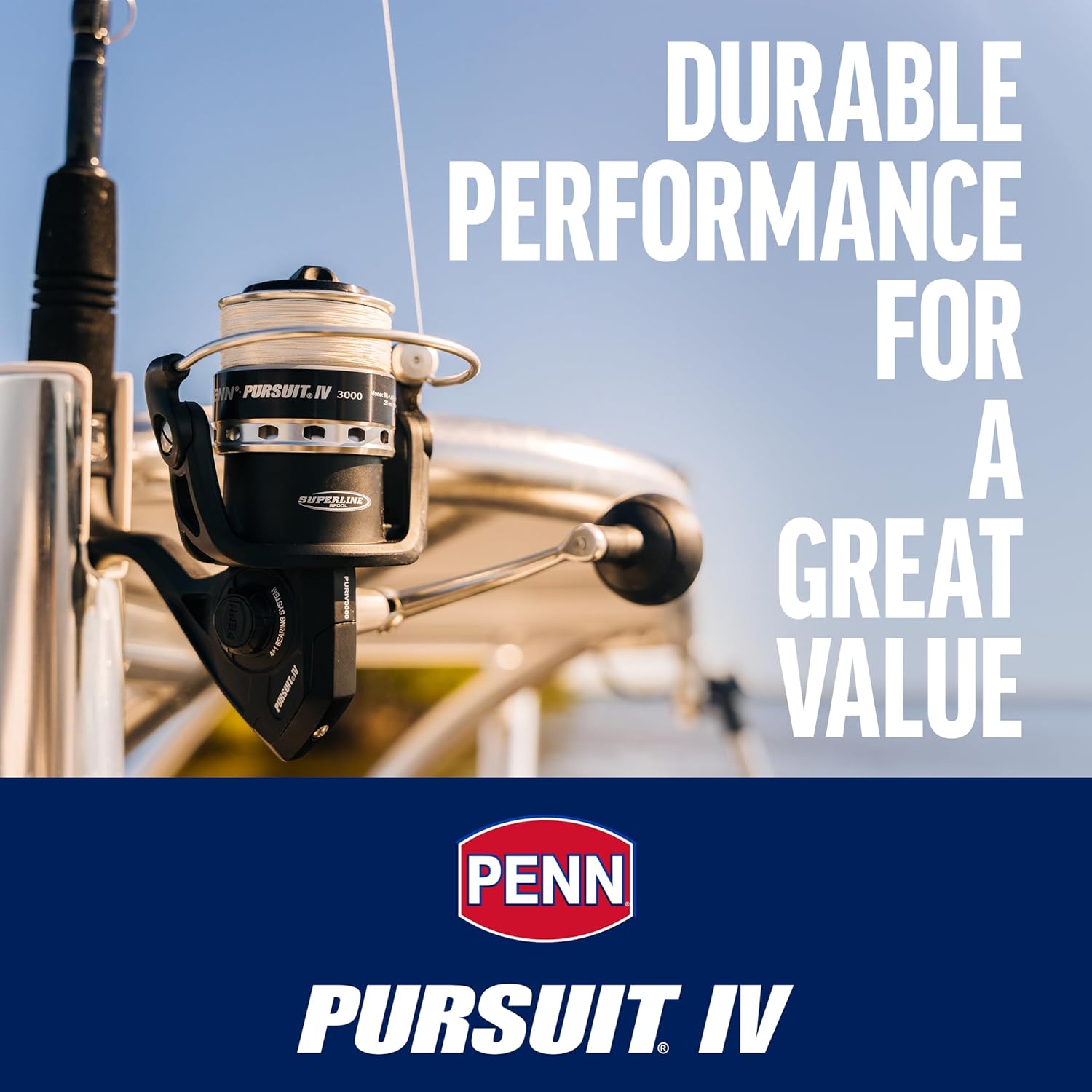
Penn Pursuit IV Spinning Combo
- Online: Visit the official Rhode Island government website for the most convenient option. The online system is available 24/7 and allows for immediate license printing.
- Bait and Tackle Shops: Many local shops throughout Rhode Island are authorized to sell fishing licenses. This option supports local businesses and allows for face-to-face interactions where you can also get valuable fishing advice.
- DEM Offices: You can purchase licenses in person at DEM offices during regular business hours.
When purchasing, you’ll need to provide basic personal information and a valid form of identification. It’s advisable to keep your license on you at all times while fishing.
The Impact of License Fees on Conservation and the Economy
Funding Vital Conservation Efforts
The revenue generated from saltwater fishing license sales plays a crucial role in supporting marine conservation efforts in Rhode Island. In 2023, license sales contributed over $300,000 to the state’s marine fisheries programs. These funds are used for various initiatives:
- Habitat restoration projects
- Fish stock assessments
- Enforcement of fishing regulations
- Public access improvements for shore-based anglers
By purchasing a license, anglers directly contribute to the health and sustainability of Rhode Island’s marine ecosystems.
Boosting the Local Economy
Beyond conservation, Rhode Island’s saltwater fishing industry significantly impacts the state’s economy. According to a 2022 report by the American Sportfishing Association, recreational saltwater fishing in Rhode Island:
- Supports over 4,000 jobs
- Generates $412 million in economic output annually
- Contributes $35 million in state and local tax revenue
The affordable license fees help maintain high participation rates, ensuring continued economic benefits for coastal communities.
Regional Comparison and Reciprocal Agreements
How RI Stacks Up Against Neighboring States
Rhode Island’s saltwater fishing license fees remain competitive when compared to neighboring states:
| State | Resident Annual License | Non-Resident Annual License |
|---|---|---|
| Rhode Island | $7 | $10 |
| Massachusetts | $10 | $10 |
| Connecticut | $32 | $63 |
| New York | $10 | $15 |
This competitive pricing makes Rhode Island an attractive destination for out-of-state anglers, potentially boosting tourism and local economies in coastal areas.
Reciprocal Agreements: Fishing Across State Lines
Rhode Island has established reciprocal agreements with several neighboring states, enhancing the value of its saltwater fishing licenses. Holders of valid Rhode Island saltwater fishing licenses can fish in the marine waters of:
- New York
- Connecticut
- Massachusetts
- Maine
Similarly, residents of these states with valid saltwater fishing licenses do not need to purchase an additional Rhode Island license when fishing in Ocean State waters. This reciprocity encourages regional tourism and allows anglers to explore diverse fishing grounds across New England.
Additional Considerations for Anglers
Special Permits and Endorsements
While the basic saltwater fishing license covers most recreational fishing activities, there are some special cases to be aware of:
- Shellfish: Non-residents require a separate license for recreational shellfishing. Options include an annual license ($200), a 14-day license ($11), and a special non-resident landowner license ($25).
- Lobster: Only Rhode Island residents can harvest lobster recreationally. This requires a special lobster license ($40) in addition to the saltwater fishing license.
- Striped Bass: As of 2024, Rhode Island requires a free Striped Bass Endorsement for all anglers targeting or possessing striped bass. This endorsement helps the state better manage this important species.
Staying Informed: Fishing Regulations and Updates
Fishing regulations can change from year to year based on fish population assessments and conservation needs. It’s crucial for anglers to stay informed about current regulations, including:
- Size limits for various fish species
- Daily catch limits
- Seasonal restrictions for certain species
- Gear restrictions (e.g., the use of circle hooks when fishing for striped bass with bait)
The Rhode Island DEM provides a comprehensive fishing regulation guide, updated annually. Anglers should review this guide before each fishing season and check for any mid-season updates.