
Why Fishing Licenses Matter
Fishing licenses are not just a legal requirement; they play a vital role in preserving and protecting Rhode Island’s aquatic resources for generations to come. By purchasing a fishing license, you’re directly contributing to:
- Fisheries Management: License fees fund research, monitoring, and sustainable management of fish populations.
- Habitat Development: Revenues support the restoration and enhancement of critical aquatic habitats.
- Conservation Education: Educational programs promote responsible angling practices and environmental stewardship.
- Endangered Species Protection: Initiatives aimed at safeguarding threatened and endangered aquatic species.
Obtaining a fishing license is a simple yet impactful way to ensure the long-term health and sustainability of Rhode Island’s waterways and the diverse marine life they support.
Types of Fishing Licenses in Rhode Island
Rhode Island offers several types of fishing licenses to cater to different angling needs and preferences:
1. Freshwater Fishing License
Required for fishing in rivers, streams, ponds, and lakes within the state.
- Resident Annual: $21
- Non-Resident Annual: $38
- Non-Resident Tourist (3 consecutive days): $18
2. Saltwater Recreational Fishing License
Mandatory for saltwater fishing in Rhode Island’s marine waters and offshore federal waters.
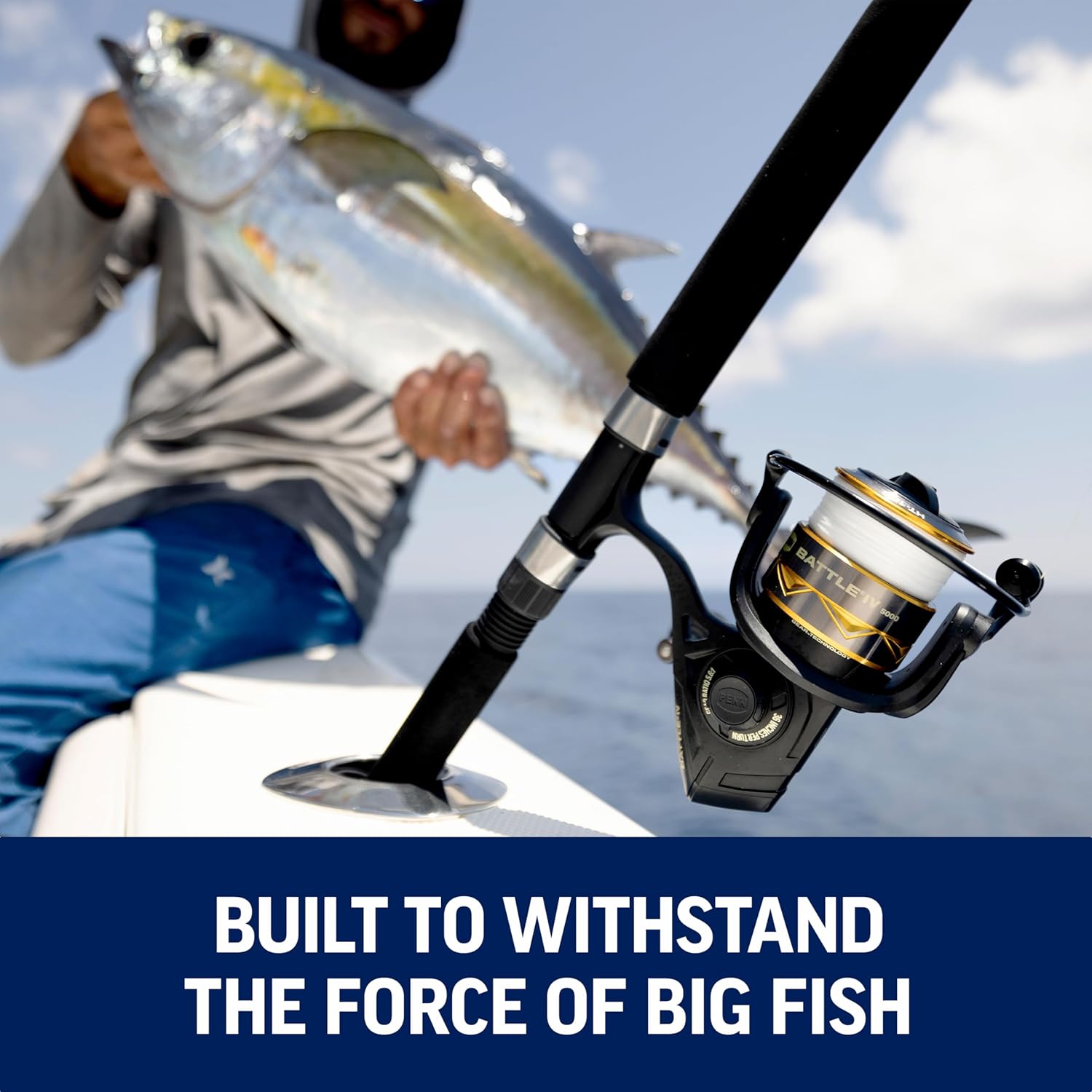
Penn Battle III Surf Spinning Combo
- Resident Annual: $7
- Non-Resident Annual: $10
- 7-Day License (resident and non-resident): $5
3. Combination Licenses
Ideal for anglers who enjoy both freshwater fishing and hunting activities.
- Resident Combination Freshwater Fishing and Hunting License: $38
4. Trout Conservation Stamp
Required for anglers who wish to keep or possess trout, salmon, or charr.
- Annual: $5.50
5. Recreational Lobster and Shellfish Licenses
Specific licenses are required for harvesting lobster and shellfish in Rhode Island waters. Visit the Rhode Island Department of Environmental Management (DEM) website for more information on these specialized licenses.
Exemptions and Special Provisions
Certain groups may be exempt from purchasing a fishing license or eligible for reduced fees:
- Children under 15: Can fish without a license.
- Rhode Island residents 65 and older: Eligible for a free permanent freshwater fishing license.
- Active military personnel stationed in Rhode Island: Can obtain a free freshwater or saltwater license.
- Anglers fishing on licensed party or charter boats: Don't need an individual saltwater license.
- Blind persons and individuals with 100% permanent disability: Exempt from license requirements.
How to Obtain Your Rhode Island Fishing License
Obtaining your fishing license is a straightforward process with multiple convenient options:
- Online: Visit the Rhode Island DEM website to purchase your license securely and instantly.
- In-Person: Stop by the DEM Office of Boating Registration and Licenses in Providence or visit authorized license vendors, such as bait and tackle shops or town halls.
- By Phone: Call the DEM Office of Boating Registration and Licenses at (401) 222-3576 during business hours.
When purchasing your license online or from an authorized vendor, be aware that additional convenience fees may apply.
Fishing Regulations and Best Practices
To ensure a safe and enjoyable fishing experience while preserving Rhode Island’s aquatic resources, it’s essential to familiarize yourself with the state’s fishing regulations. Key points to remember:
- Respect size limits, catch limits, and seasons: These vary for each fish species and are designed to maintain healthy populations.
- Use circle hooks when fishing recreationally for striped bass with bait: This practice helps reduce deep hooking and improves survival rates for released fish.
- Properly dispose of fishing line and tackle: Prevent wildlife entanglements by properly disposing of used gear.
- Practice catch-and-release whenever possible: Minimize your impact on fish populations by releasing your catch whenever feasible.
For the most up-to-date regulations, consult the Rhode Island Freshwater and Saltwater Fishing Guides, available on the DEM website.
Reciprocal Licensing Agreements
Rhode Island has reciprocal licensing agreements with several neighboring states, allowing anglers to fish in Rhode Island waters with a valid license from their home state. Currently, Rhode Island honors saltwater recreational fishing licenses from:
- New York
- Connecticut
- Massachusetts
- Maine
If you hold a valid saltwater recreational fishing license from one of these states, you can fish in Rhode Island’s marine waters and offshore federal waters without needing to purchase a separate Rhode Island license.