
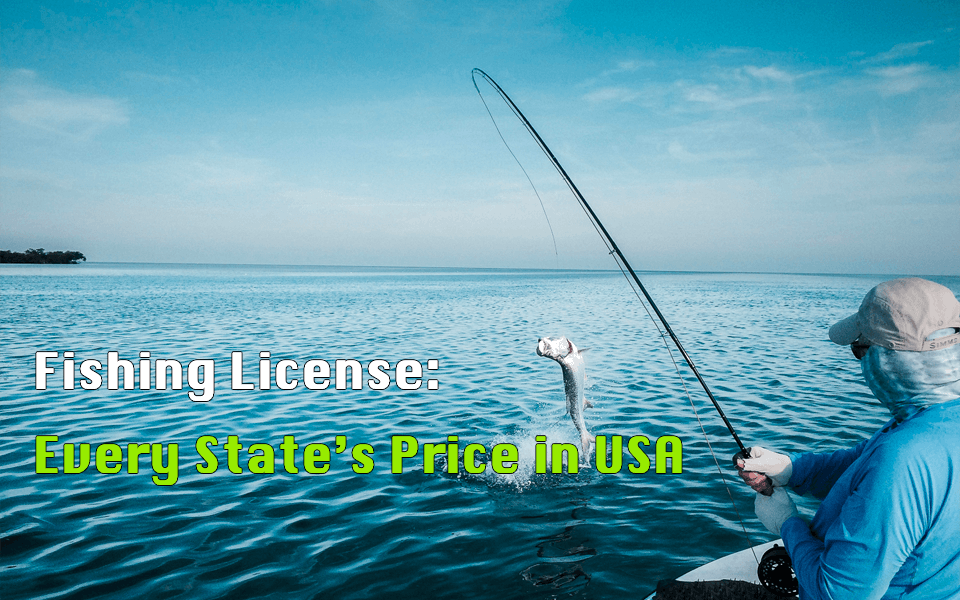
Resident fishing licenses are the core option for anglers who live in the state where they plan to fish. The exact fee, age threshold, and add-on structure vary from state to state, but the comparison framework is usually the same: residency status, licence length, fishing environment, and any special validations tied to the species or water you plan to fish.
What a resident fishing license usually covers
In most states, a resident sport fishing license gives you the basic authority to fish public waters inside that state once you meet the state’s licensing age. That base license often covers freshwater fishing by default, but some states separate freshwater and saltwater privileges or require extra validations for certain waters, seasons, or species.
Resident licensing rules often turn on a legal residency definition rather than where you currently happen to be staying. States commonly require proof such as a driver’s license, state ID, or another document that shows you meet that state’s residency standard before you can buy the lower-cost resident option.
The main resident license types you will see
Most resident anglers will run into one or more of these license families:
Annual resident license
This is the standard option for people who fish regularly in one state. It usually makes the most sense when you expect multiple trips during the year and want the simplest compliance path.
Short-term resident license
Some states offer one-day, two-day, or multi-day resident licenses. These are less universal than annual licenses, but they can make sense if you only fish a couple of times per year and the state offers them at a meaningful discount.
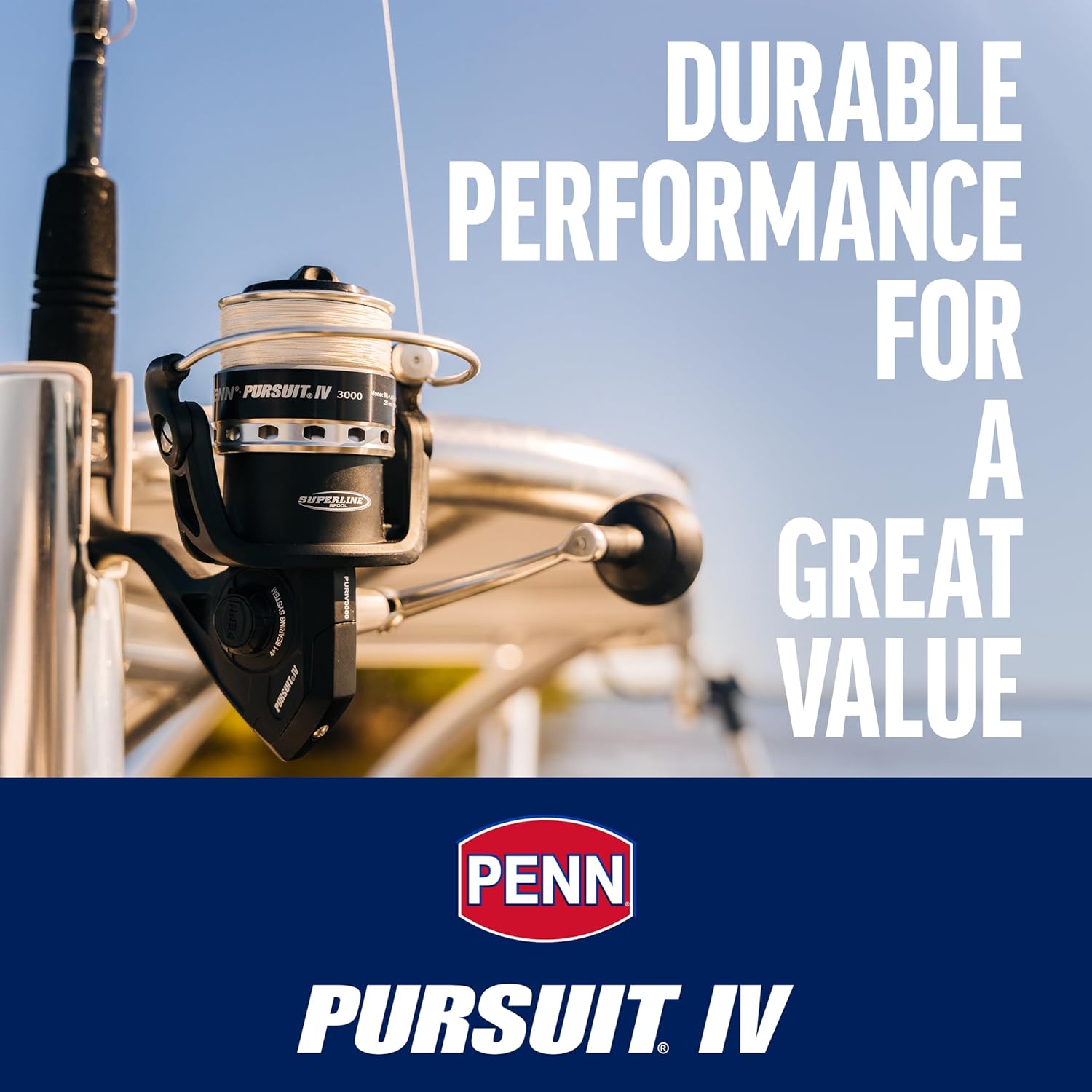
Penn Pursuit IV Spinning Combo
Senior, youth, disability, or veteran resident licenses
Many states have reduced-fee or free options for specific groups. Eligibility rules differ by state and often depend on age, benefit status, disability documentation, or service history.
Lifetime resident license
Some states sell lifetime resident fishing licenses or broader lifetime outdoor packages. These usually require a larger upfront payment and are most attractive for long-term residents who fish often.
What changes the price
Resident license cost is rarely just one flat number across every angler. Common price drivers include:
- Your age, especially if the state has youth or senior tiers.
- The licence duration, such as annual versus short-term or lifetime.
- Whether the state treats saltwater access separately from inland or freshwater fishing.
- Whether you need trout, salmon, steelhead, lobster, crab, or second-rod validations.
- Whether the state offers combination packages that bundle hunting and fishing.
That is why the best comparison is not just “Which state has the cheapest resident license?” but “Which total package matches the way I actually fish?”
How to compare resident options without overpaying
If you are trying to keep cost down, compare the full trip pattern before you buy:
- Count how many days you expect to fish during the licence period.
- Check whether the state offers resident short-term licenses at all.
- Confirm whether your target water needs an extra validation or report card.
- Review senior, disability, veteran, or youth eligibility if any of those categories apply.
- Compare the base fishing license against a combination package only if you actually use the added privileges.
For a state-by-state cost framework, start with the fishing license fees page. If you are trying to narrow a specific route, the topic index usually gets you to the right state or licence type faster.
Common mistakes resident anglers make
The most frequent resident-license mistakes are practical ones:
- Assuming a resident driver’s license alone settles every eligibility question without reading the state definition.
- Buying only the base license and missing a required report card or validation.
- Assuming saltwater access is bundled everywhere.
- Letting an annual license lapse right before a trip.
- Thinking a resident license from one state works in another state. It usually does not.
What to verify before you fish
Before every trip, confirm the live rule with the issuing agency for the state you are fishing in. Focus on:
- Current fee and renewal period.
- Minimum age for needing a license.
- Freshwater versus saltwater split.
- Species-specific validations or report cards.
- Bag limits, seasons, and local closures.
Quick answers
Can one resident fishing license cover multiple states?
No. Resident fishing licenses are issued state by state, so you normally need the proper license for each state where you plan to fish.
Is a resident license always the cheapest option?
It is usually cheaper than the non-resident version in the same state, but the best-value option still depends on how often you fish and whether you need add-ons.
Does a resident license automatically cover saltwater fishing?
Not always. Some states bundle inland and ocean access, while others separate them or require additional validations.
Can you fish on private property without a resident license?
Sometimes, but it depends on that state’s exemptions and the exact waterbody. Never assume the exemption applies without checking the state rule first.