
The Changing Landscape of License Renewals
The commercial fishing industry has seen significant shifts in recent years, with licensing procedures adapting to meet both environmental concerns and the needs of fishers. In 2024, we’re witnessing a continued trend towards digitalization and streamlined processes across many jurisdictions.
Embracing Digital Solutions
Many fisheries departments have invested heavily in online platforms, recognizing the need for efficient, accessible renewal systems. For instance, the California Department of Fish and Wildlife (CDFW) has enhanced its Online License Sales and Services website, offering a user-friendly interface that allows fishers to renew licenses with just a few clicks.
In Australia, the New South Wales Department of Primary Industries has taken digital integration a step further. Their FishOnline service not only facilitates renewals but also provides real-time access to digital licenses through a mobile app. This innovation allows fishers to carry their credentials digitally, reducing the risk of misplaced paperwork and enabling instant verification by authorities.
Balancing Traditional and Modern Approaches
While digital platforms are becoming the norm, it’s important to note that traditional renewal methods remain available in most regions. This dual approach ensures accessibility for all fishers, regardless of their technological proficiency or access to internet services.
For example, the Alaska Commercial Fisheries Entry Commission continues to offer both online and paper-based renewal options. This flexibility is particularly crucial in remote fishing communities where internet connectivity may be limited.
Key Steps in the Renewal Process
Regardless of the method you choose, the renewal process typically involves several key steps:
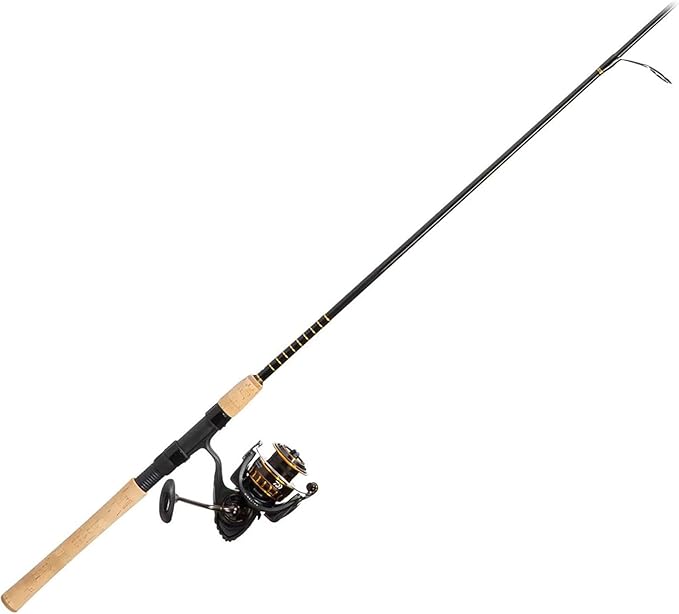
Daiwa BG Spinning Combo
- Verification of Eligibility: Before initiating the renewal, ensure you meet all current eligibility criteria. This may include reviewing your catch reports, ensuring compliance with conservation measures, and resolving any outstanding violations.
- Gathering Required Documentation: Prepare all necessary documents, which typically include:
- Valid government-issued identification
- Your current or most recent commercial fishing license
- Vessel documentation (if applicable)
- Proof of compliance with safety regulations
Regional Variations and Considerations
It’s crucial to understand that licensing requirements and processes can vary significantly between different states, provinces, or countries. Here are some notable regional considerations for 2024:
United States
- In Alaska, the Commercial Fisheries Entry Commission has implemented a new tiered fee structure based on the estimated value of each fishery, aiming to more fairly distribute licensing costs.
- California has introduced a new requirement for commercial fishers to complete an online conservation course before license renewal, emphasizing the state's commitment to sustainable fishing practices.
- The Gulf of Mexico Fishery Management Council has expanded its use of electronic reporting systems, requiring more fishers to submit catch data digitally as part of the renewal process.
- Maine continues to route many commercial renewals through state-managed marine licensing systems, making it especially important to confirm species-specific endorsements before the season begins.
Navigating Fee Structures
Understanding the fee structure for your specific license is crucial for budgeting and planning. While fees vary widely, here are some examples to illustrate the range:
- In Maine, USA, the Department of Marine Resources has maintained its base commercial fishing license fee at USD 193 for residents, with additional fees for specific fisheries or gear types.
- In Alaska, renewal costs can vary by permit class and fishery value, so fishers should confirm the current schedule before filing.
- Gulf and Atlantic fisheries may add reporting, endorsement, or gear-specific compliance costs on top of the base license renewal.
Staying Informed and Compliant
The key to a smooth renewal process is staying informed about changes in regulations and requirements. Here are some strategies to help you stay up-to-date:
- Subscribe to Official Notifications: Many fisheries departments offer email or text alert services for important updates. Sign up for these to receive timely information about renewal deadlines, fee changes, or new requirements.
- Attend Industry Meetings: Participate in local fishery management meetings or industry workshops. These events often provide valuable insights into upcoming changes and offer opportunities to voice concerns or ask questions.
- Join Professional Associations: Organizations like the National Fisheries Institute in the U.S. or the Canadian Independent Fish Harvesters' Federation often provide members with updates on licensing and regulatory changes.
- Regularly Check Official Websites: Make it a habit to visit your local fisheries department website periodically. Many agencies now maintain frequently updated FAQ sections and news pages.
- Consult with Fishery Officers: Don't hesitate to reach out to local fishery officers or licensing staff if you have questions. They can provide clarification on specific requirements or help you navigate complex renewal processes.