
Types of Georgia Fishing Licenses (2025)
Georgia offers a variety of fishing licenses to accommodate both residents and non-residents, ensuring everyone can enjoy the state’s diverse fishing opportunities. Here’s a comprehensive overview:
Resident Fishing Licenses
- Annual License: $15
- For Georgia residents (3+ months residency)
- Valid for one year from purchase date
- Senior License (65+): $4
- Discounted rate for residents aged 65 and older
- Proof of age required
- One-Day License: $5
- Perfect for occasional anglers
- Valid for 24 hours from purchase time
Non-Resident Fishing Licenses
- Annual License: $50
- For visitors or new residents
- Valid for one year from purchase date
- One-Day License: $10
- Ideal for tourists or short trips
- Valid for 24 hours from purchase time
Special Permits and Endorsements
- Trout License:
- Resident Annual: $10
- Non-Resident Annual: $20
- Required for fishing mountain trout
- Saltwater Information Program (SIP) Permit:
- Free, but mandatory for saltwater fishing
- Must be renewed annually
- Sportsman's License: $65 annual
- Combines fishing and hunting privileges
- Includes most state paid hunting and fishing rights
General Regulations To Be Aware Of
Fishing License Requirements
Before casting your line in Georgia’s waters, it’s crucial to understand the licensing requirements. As of 2025, anglers aged 16 and older must possess a valid Georgia fishing license. Additionally, all resident anglers between 16 and 64 years old, as well as non-resident anglers 16 and above, are required to have a trout stamp when fishing in designated trout waters. These licenses and stamps can be conveniently purchased online through the Georgia Department of Natural Resources website.
Catch Limits and Size Restrictions
Georgia’s fishing regulations include specific catch limits and size restrictions to ensure sustainable fishing practices. For instance, the daily creel limit for largemouth bass is 10, with a minimum size limit of 14 inches. It’s important to note that these limits may vary depending on the species and location. Anglers should always consult the most up-to-date Georgia Fishing Regulations Guide for comprehensive information on catch limits and size restrictions across different species.
Permitted Fishing Methods and Gear
The Georgia Department of Natural Resources regulates fishing methods and gear to protect aquatic ecosystems. In most waters, anglers are allowed to use traditional rod and reel setups. However, certain restrictions apply in specific areas. For example, in designated trout streams, the use of live bait-fish is prohibited. Additionally, some waters may be designated as “artificial lures only,” where only specific types of lures are permitted. Always check local regulations before fishing in a new area to ensure compliance.
Catch-and-Release Techniques
Practicing proper catch-and-release techniques is essential for conservation efforts. When releasing fish, use wet hands or a wet cloth to handle them, minimizing damage to their protective slime coating. Quickly remove the hook using pliers or a dehooking device. If the fish is deeply hooked, cut the line close to the mouth instead of attempting to remove the hook. Release the fish gently into the water, supporting it until it swims away on its own.
Seasonal Considerations
Fishing seasons in Georgia can vary depending on the species and location. For instance, the delayed harvest regulations for trout fishing apply from November 1 to May 14 annually in certain sections of the Chattahoochee River. Stay informed about these seasonal changes by regularly checking the Georgia DNR Wildlife Resources Division website for updates and announcements regarding fishing seasons and special regulations.
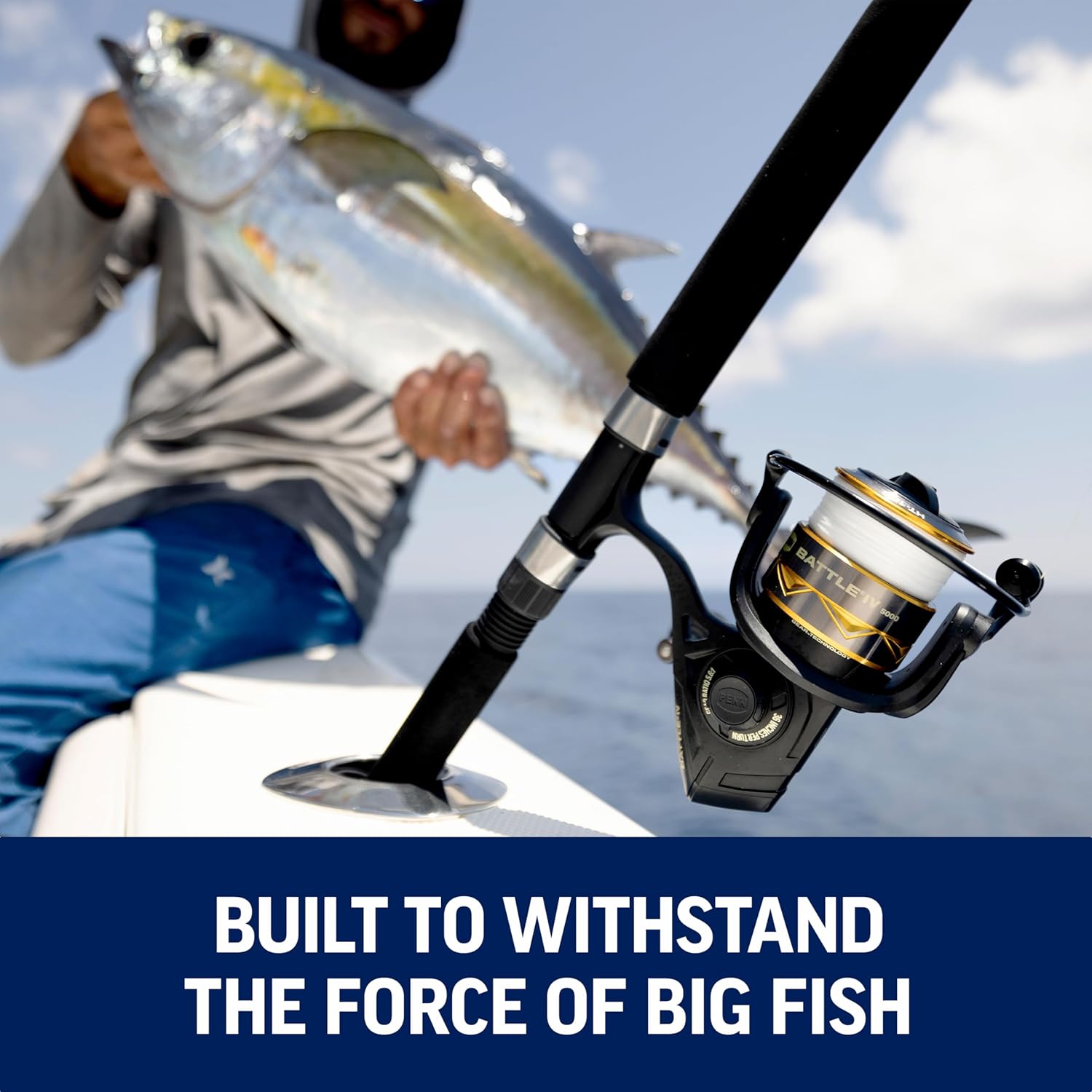
Penn Battle III Surf Spinning Combo