
When you purchase a fishing license, you’re doing more than just gaining permission to fish - you are actively contributing to the conservation and protection of our precious aquatic resources. Fishing license fees play a critical role in funding efforts to sustain fish populations, restore habitats, and ensure the health of our waters for generations to come. Let’s explore how your fishing license purchase supports vital conservation projects.
How Do Fishing Licenses Fund Conservation?
One hundred percent of the revenue generated from fishing license sales goes directly toward conservation and restoration efforts. This includes initiatives aimed at:
- Fish management and population monitoring
- Species and habitat restoration
- Habitat protection and land acquisition
- Research and education programs
- Improving public access for fishing and boating
By law, all money from license fees must be used exclusively for these conservation purposes. So when you buy a license, you can feel confident that your contribution is making a real difference for the waters and fish you care about.
In addition to license fees, the Sport Fish Restoration Program provides substantial conservation funding through excise taxes on fishing equipment, motorboat and small engine fuels, and import duties. Since its inception in 1952, this program has provided over $8 billion to state fish and wildlife agencies for approved projects. This funding covers up to 75% of project costs, enabling ambitious, large-scale conservation efforts.
The Impact of Angler-Funded Conservation
The combined conservation funding from fishing license fees and the Sport Fish Restoration Program yields impressive results for anglers and aquatic ecosystems alike:
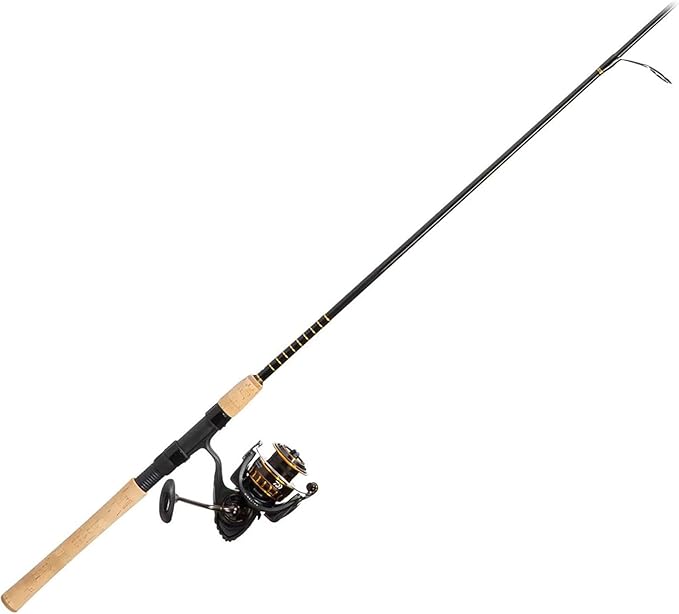
Daiwa BG Spinning Combo
Habitat Restoration
Degraded streams, rivers, and coastal areas are brought back to health, boosting fish populations. Projects range from restoring wetlands and stream banks to removing barriers to fish passage.
Research and Monitoring
Scientific studies funded by fishing licenses help wildlife managers make informed decisions to sustainably manage fish stocks. Population assessments, migration tracking, and habitat monitoring are just a few examples.
Public Access and Education
By funding boat ramps, fishing piers, and other access projects, license fees help make fishing opportunities available to everyone. Educational programs teach best practices to anglers and encourage public involvement in conservation.
The benefits extend beyond fishing - healthy aquatic ecosystems support a wide range of wildlife, provide cleaner drinking water, and offer recreational opportunities for all to enjoy.
Anglers: The Unsung Heroes of Aquatic Conservation
Ultimately, it is the anglers who purchase licenses that are the true champions of aquatic conservation. Your license fees make you an integral part of a nationwide alliance working to protect fish and their habitats.
Your fishing license is proof of your commitment to the sport you love and the wild places that make it possible. So next time you buy your license, know that you are investing in the future of fishing and helping leave a legacy of healthy waters for generations of anglers to come.
As stewards of the resource, anglers also play a key role in preventing the spread of harmful aquatic invasive species. By following best practices like cleaning gear between waterways and properly disposing of bait, you help protect native fish and their habitats.
Fishing Licenses: A Vital Tool for Long-Term Conservation
The conservation fishing license is not just a requirement - it’s a fundamental tool for the long-term protection and sustainability of our aquatic resources. The unique “user pay, user benefit” model of the North American Model of Wildlife Conservation has proven incredibly successful at funding professional, science-based management of fish and wildlife.
This model creates a positive feedback loop: Anglers contribute to conservation, which improves fishing opportunities and aquatic health. This, in turn, leads more people to take up fishing and boosts equipment sales, providing even more funding for future conservation work.
However, as fishing participation rates have declined in recent years, so too has the critical conservation funding from license sales. Efforts to recruit new anglers and reactivate lapsed anglers are more important than ever to ensure the long-term sustainability of both fishing and conservation funding.
State wildlife agencies, fishing organizations, and the fishing industry are working together on marketing campaigns, educational programs, and other initiatives to get more people fishing. By purchasing a license and introducing others to the joys of fishing, you can play a direct role in supporting these efforts.
The Future of Conservation Funding
As the world changes, so too must the ways we fund and implement conservation. While the Sport Fish Restoration Program and license fees remain the bedrock of aquatic conservation funding, additional funding mechanisms are being explored.
Some states have implemented dedicated sales taxes for conservation, which provide a more stable source of funding than license sales alone. Others are looking at ways to monetize ecosystem services, such as carbon sequestration and water filtration, provided by healthy aquatic habitats.
Ultimately, the future of effective fish and wildlife conservation will require a diversified funding portfolio that engages a broader cross-section of the public. However, anglers will undoubtedly remain at the heart of these efforts as the original conservationists and the most passionate advocates for healthy waters.