
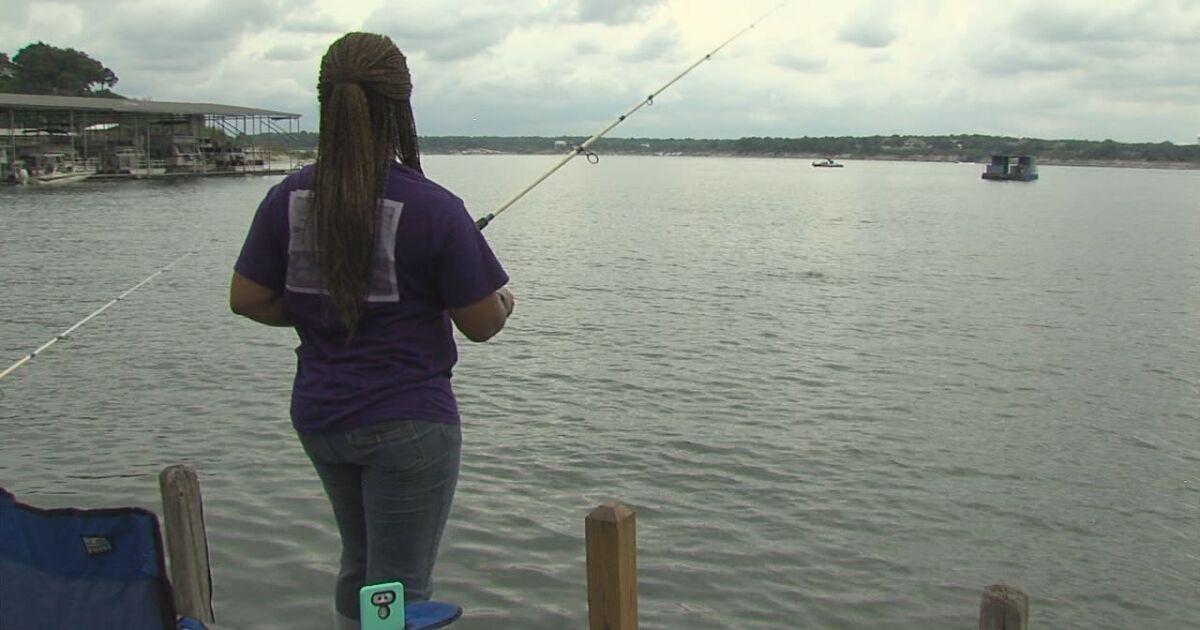
Fishing on private property can be an enjoyable and convenient way to engage in the sport. However, navigating the licensing requirements for fishing on private land can be confusing due to the wide variation in state laws and regulations. This comprehensive guide aims to clarify the key considerations around private property fishing licenses and provide guidance for anglers across the United States.
Understanding Fishing License Requirements on Private Property
Fishing license requirements for private property differ significantly across the United States. In general, many states do not require a license to fish in fully contained private ponds or lakes. However, if the water body has public access or connects to public waters, a license is often required even when fishing from private land.
Key factors that determine if you need a license on private property:
- Whether the water body is fully contained or connected to public waters
- If the property owner allows public access
- State-specific exemptions for landowners, family members, or guests
- The type of fish species you're targeting
It’s crucial to check the specific regulations in your state, as rules can vary widely and change over time. For accurate information regarding your local area’s specific laws surrounding these topics, visit your state’s fish and wildlife agency website.
State-by-State Variations in Private Property Fishing Licenses
Here’s an overview of how requirements vary in different states:
Texas
In Texas, a fishing license is generally not required to fish on private property if the body of water is fully contained within the property boundaries. This means:
Penn Pursuit IV Spinning Combo
- No license needed for fishing in private ponds or lakes with no connection to public waters.
- Landowners, their immediate family members, and guests can fish without a license on the property.
- A license is required if the water body connects to public waters, even if fishing from private land.
However, anglers must still follow state fishing regulations regarding bag limits, size restrictions, and fishing methods. For more information, visit the Texas Parks & Wildlife Department.
Florida
Florida has unique rules regarding private property fishing:
- Residents fishing from land or a structure fixed to land in their county of residence don't need a license for saltwater fishing.
- A license is required when fishing from a vessel or when swimming/diving, even on private property.
- Freshwater fishing always requires a license, even on private property, with some exceptions.
Florida offers several exemptions:
- Residents 65 and older
- Children under 16
- Disabled residents meeting certain criteria
- Active-duty military personnel who are Florida residents
For detailed information on licenses and exemptions, check the Florida Fish and Wildlife Conservation Commission.
California
California has stricter requirements for private property fishing:
- A valid California fishing license is required to fish in any waters within the state, including private ponds and lakes.
- Landowners fishing on their own property are not exempt and must have a license.
- The only exception is for private aquaculture facilities registered with the state.
For more details about licenses in California, visit the California Department of Fish and Wildlife.
New York
New York’s regulations for private property fishing are more lenient:
- No fishing license is required to fish in private waters that have no connection to public waters.
- If the private water body connects to public waters, a license is required.
- Landowners, their spouse, and their children under 18 living on the property can fish without a license in waters on their land.
For licensing information in New York, visit the New York State Department of Environmental Conservation.
Michigan
Michigan has specific rules for private lakes and ponds:
- No license is required to fish in a private lake or pond that is entirely on private property and has no connection to public waters.
- If the water body connects to public waters or is accessible to the public, a license is required.
- Landowners, their spouse, and their children under 17 living on the property can fish without a license in waters on their land.
For more information about Michigan’s regulations, check out the Michigan Department of Natural Resources.
Colorado
Colorado’s regulations for private property fishing are straightforward:
- A valid Colorado fishing license is required to fish in any waters within the state, including private ponds and lakes.
- There are no exemptions for landowners or their family members.
For additional details about Colorado’s fishing licenses, visit Colorado Parks & Wildlife.
Common Exemptions for Private Property Fishing Licenses
While requirements vary by state, there are some common exemptions from fishing license requirements on private property:
Landowner Exemptions
Many states offer exemptions for landowners fishing on their own property:
- Property owners: Often exempt when fishing in fully contained water bodies on their land.
- Immediate family members: Spouse and children of the landowner may be exempt in some states.
For example: In Indiana, landowners and their children do not need a license to fish on their own property.
Age-Based Exemptions
Most states offer age-based exemptions:
- Youth exemptions: Children under a certain age (often 16 or 17) are frequently exempt from needing a license.
For example: In Florida, residents aged 65 and older and kids under 16 are exempt from fishing license requirements.
Other Common Exemptions
Additional exemptions may apply in some states include:
- Disabled individuals: Many states offer free or reduced-cost licenses for residents with qualifying disabilities.
For example: In New Hampshire, disabled veterans who are state residents are eligible for free lifetime fishing licenses.
Always verify exemptions with your state’s fish and wildlife agency as they can change and may have specific requirements or limitations.
Public Access and Connected Waters: When Licenses Are Required
Even when fishing on private property, a license may be required if the water body has public access or connects to public waters. This rule helps maintain consistent regulations and protects fish populations that move between connected water systems.
Public Access Considerations
If a private pond or lake allows public access—even on a limited basis—a fishing license is typically required. This might include:
- Pay-to-fish ponds
- Private lakes that allow public fishing with permission
- Homeowners association lakes open to residents
Connected Waters
Water bodies on private property that connect to public waters often require a fishing license. This can include:
- Ponds or lakes with inlets or outlets connecting to public streams or rivers
- Private sections of rivers or streams that flow through multiple properties
Navigable Waters
In some states, if a water body is considered “navigable,” it may be subject to public fishing rights even if it’s on private property. This can affect licensing requirements.
Always check local regulations as definitions of “public access” and “connected waters” can vary by state.
Conservation Benefits of Fishing Licenses
While obtaining a fishing license may seem like an inconvenience, it plays a crucial role in conservation efforts. Understanding these benefits can help anglers appreciate the importance of licensing requirements even on private property.
Funding for Conservation Programs
Fishing license fees are a primary source of funding for state fish and wildlife agencies. This money supports various conservation initiatives such as habitat restoration, fish stocking programs, research monitoring efforts, and education programs.
By purchasing licenses—even when fishing privately—anglers support these vital economic activities.
Best Practices for Anglers Fishing on Private Property
To ensure compliance with regulations while supporting conservation efforts during your time spent angling on privately owned lands:
- Always Check Current Local Regulations
- Visit your state's fish and wildlife agency website regularly.
- Contact local authorities if uncertain about specific rules.
- Be aware of special regulations that may apply seasonally or regionally.
- Obtain Written Permission
- Always get written permission from landowners before accessing their properties.
- Carry this document while you fish as proof if needed.
- Respect any conditions set by landowners regarding access rules.
- Keep Your License Accessible
- If required by law—carry your valid fishing license at all times while angling.
- Consider digital options available through some states' agencies.
- Be prepared to show your license upon request from conservation officers.
- Stay Informed About Special Regulations
- Familiarize yourself with catch limits that apply regardless of where you're angling.
- Understand seasonal restrictions that protect certain species during breeding times.
- Know gear restrictions that may limit what types of tackle you can use legally.
- Practice Responsible Fishing
- Follow catch-and-release best practices if not keeping your catch.
- Use appropriate gear that minimizes harm to both fish populations and habitats.
- Clean up after yourself—leave no trace behind!
- Report Violations
- If you suspect illegal activities while out angling—report them promptly!
- Provide detailed information without confronting violators directly; leave law enforcement actions up to professionals.
By following these best practices, anglers can enjoy fishing on private property while ensuring they’re compliant with local regulations and contributing positively toward preserving aquatic ecosystems for future generations!