
Understanding Public Piers in California
Before we dive into the specifics, it’s crucial to define what constitutes a public pier in California. According to the California Department of Fish and Wildlife (CDFW), a public pier meets the following criteria:
- Connected to the Mainland or Natural Island: The structure must be connected above the mean high tide to the mainland coastline or a named and charted natural island.
- Unrestricted Public Access: The pier must allow free and unrestricted access for the general public.
- Primary Purpose of Angling Access: The pier must have been built or currently function primarily for providing angling access to ocean waters.
Additionally, publicly owned jetties or breakwaters that form the seaward boundary of an ocean harbor are also considered public piers, provided they meet the above criteria.
The License Exemption and Applicable Regulations
One of the most significant advantages of fishing from a public pier in California is the exemption from needing a fishing license for recreational purposes in ocean or bay waters. However, it’s crucial to understand that all other regulations still apply, including:
- Minimum Size Limits: Specific size limits are in place for various fish species to ensure sustainable populations.
- Daily Bag and Possession Limits: Limits on the number of fish you can catch and possess per day help prevent overfishing.
- Reporting Requirements: For certain species, you may need to obtain and complete a report card to track your catch.
- Seasonal Restrictions: Some fish species have designated seasons when fishing is prohibited to protect their breeding cycles.
Failure to comply with these regulations can result in citations and fines, even if you don’t need a license to fish from the pier. It’s essential to familiarize yourself with the latest regulations and updates from the CDFW to ensure a legal and responsible fishing experience.
Gear Restrictions and Etiquette on Public Piers
While the license exemption is a significant perk, there are specific gear restrictions in place for public piers. According to the California Code of Regulations Title 14, Section 28.65(b), each person is limited to using:
- Two Rods and Lines
- Two Hand Lines
- Two Nets, Traps, or Other Appliances for Catching Crabs
Exceeding these limits can lead to violations, so it’s crucial to be aware of and adhere to these gear restrictions.
Additionally, pier fishing often involves sharing space with other anglers, so it’s essential to practice proper etiquette. Avoid crowding others, keep noise levels down, and be mindful of your casting area to prevent tangled lines or accidents.
Choosing the Right Pier and Timing Your Visit
Not all piers in California are considered public piers, and some may be closed for maintenance or safety reasons. To ensure a successful and legal fishing experience, it’s crucial to research and identify public piers in your desired location. The CDFW provides a list and interactive map of public piers, jetties, and breakwaters to help you plan your trip.
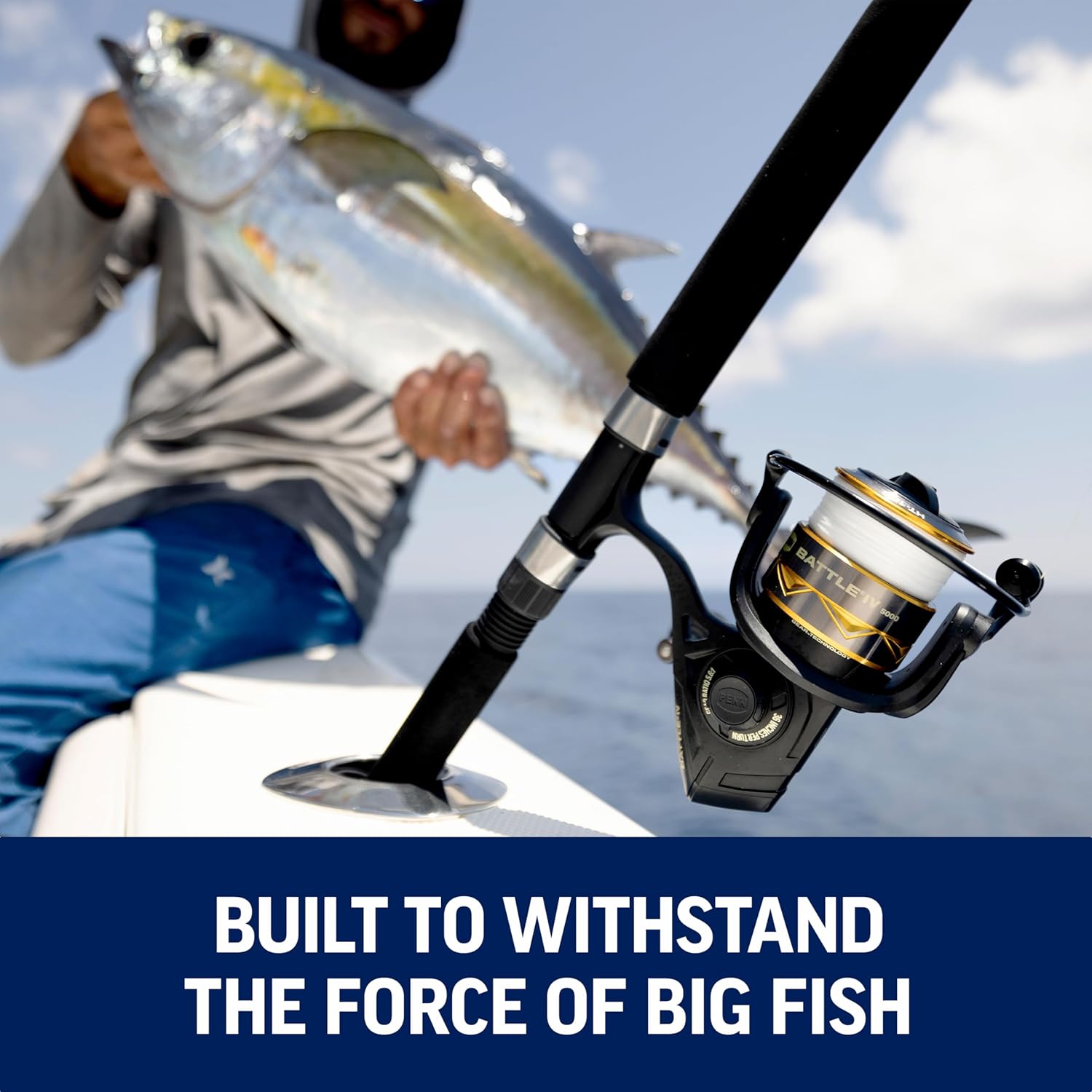
Penn Battle III Surf Spinning Combo
Essential Gear and Techniques for Pier Fishing
While pier fishing doesn’t require a boat or extensive equipment, having the right gear and employing effective techniques can make a big difference in your catch rate. Here are some essential items and tips to consider:
Rods and Reels
For pier fishing, a medium to medium-heavy rod in the 7-9 foot range paired with a spinning reel spooled with 12-20 pound monofilament or braided line is a versatile choice. Longer rods can help with casting distance, while heavier line and reel sizes are better suited for larger fish.
Terminal Tackle
Depending on your target species, you may need different terminal tackle setups. For bottom fishing, a high-low rig with a pyramid sinker and circle hooks can be effective. For surface fishing, try using a sliding sinker rig or a simple Carolina rig with live or cut bait.
Bait and Lures
Live or fresh bait, such as shrimp, squid, or cut fish, can be very effective for pier fishing. However, artificial lures like spoons, jigs, or swimbaits can also produce excellent results, especially for species like mackerel, bonito, or barracuda.
Casting Techniques
When fishing from a pier, proper casting techniques can significantly improve your chances of success. Look for fish “highways” or channels where baitfish and predators are likely to travel. If targeting surfperch, try casting near sand crab beds. For larger species like striped bass or halibut, watch for signs of baitfish activity, such as feeding birds or marine mammals.
Sustainable Practices and Conservation
While pier fishing without a license is a privilege in California, it’s crucial to practice sustainable and responsible angling. Follow all size and bag limits, and consider practicing catch-and-release for species you don’t intend to keep. Additionally, properly dispose of any trash or fishing line to help maintain the health and beauty of our coastal environments.
By adhering to these guidelines and regulations, you can contribute to the preservation of our marine ecosystems and ensure that future generations can enjoy the same fishing opportunities.