
Why Are Fishing Licenses Necessary?
Fishing licenses are essential for several reasons:
- Conservation: The money collected from fishing licenses directly contributes to conservation efforts, including fish management, habitat restoration, and research.
- Regulation: Licenses help regulate fishing activities, ensuring sustainable practices and preventing overfishing.
- Access: Funds from licenses are used to maintain and improve public access points, such as piers and boat ramps.
- Education: A portion of the license fees supports educational programs that promote responsible fishing practices and environmental stewardship.
By purchasing a fishing license, you’re not only gaining access to great fishing spots but also supporting the long-term health of our aquatic ecosystems.
Types of Fishing Licenses
When it comes to pier fishing, there are several types of licenses available, depending on your location and fishing preferences:
Saltwater Fishing License
If you plan on fishing in saltwater, such as from a coastal pier or in the ocean, you’ll need a saltwater fishing license. These licenses cover fishing activities in salt and brackish waterways.
Freshwater Fishing License
For those fishing in freshwater lakes, rivers, and streams, a freshwater fishing license is required. This includes piers located on inland bodies of water.
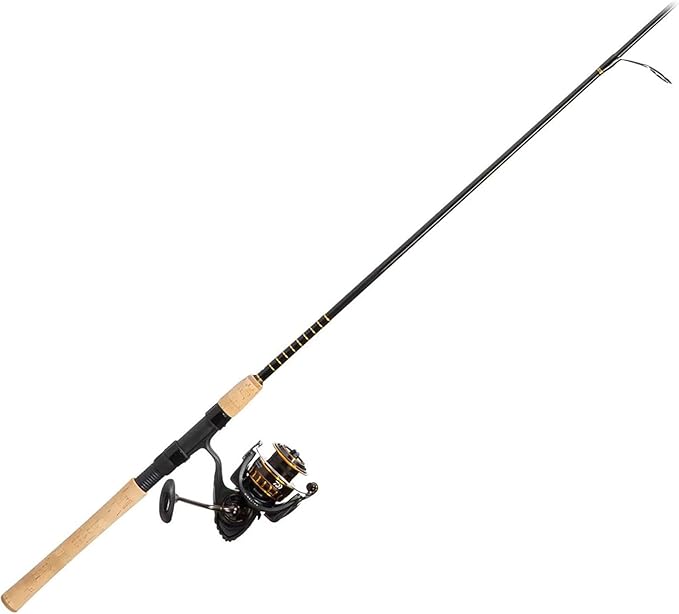
Daiwa BG Spinning Combo
Combination License
Some states offer a combination license that allows you to fish in both saltwater and freshwater locations. This is a convenient option if you plan on exploring different types of fishing environments.
Pier License
In certain states, piers may have their own specific licenses. These licenses cover everyone fishing from that particular pier, eliminating the need for individual licenses. However, it’s essential to check with the pier’s management to confirm if this option is available.
Short-Term Licenses
If you’re visiting from out of state or only plan on fishing for a short period, many states offer temporary licenses. These can range from one-day to several weeks, depending on your needs.
State-Specific Regulations
Fishing license requirements and fees vary by state, so it’s crucial to familiarize yourself with the specific regulations in your area. Here’s a breakdown of some notable state requirements:
California
- Pier License: Not required for public piers in ocean waters. However, a fishing license is necessary for all other types of fishing, including from private piers or jetties.
- Fees: A annual resident fishing license costs $52.66, while a non-resident license is $142.05 (as of 2024).
Florida
- Pier License: Piers must obtain a license that covers all anglers. Individual licenses are not required when fishing from a licensed pier.
- Fees: A saltwater shoreline license for residents is $9, while non-residents pay $17 (as of 2024).
New York
- Pier License: No license is needed for saltwater fishing from a publicly-owned pier in marine or coastal district waters.
- Fees: An annual resident marine fishing license is $10, and a non-resident license costs $30 (as of 2024).
Texas
- Pier License: A saltwater fishing license is required for all anglers over 17 years old, even when fishing from a pier.
- Fees: A resident saltwater fishing license is $35, while non-residents pay $63 (as of 2024).
Remember, these are just a few examples, and regulations can change over time. Always check with your state’s fish and wildlife agency for the most current information.
How to Obtain a Pier Fishing License
Obtaining a pier fishing license is a straightforward process, with several options available:
- Online: Most states offer the convenience of purchasing licenses online through their fish and wildlife agency websites.
- In-Person: Licenses can be bought at various locations, including sporting goods stores, tackle shops, and state parks.
- By Phone: Some states allow you to purchase licenses over the phone using a credit card.
When applying for a license, you’ll typically need to provide:
- Personal information (name, address, date of birth)
- Proof of residency (if applying for a resident license)
- Payment (fees vary by state and license type)
Once you have your license, be sure to carry it with you whenever you’re fishing, as you may be asked to present it by a wildlife officer.
Frequently Asked Questions
1. Do I need a license if I’m just catching and releasing fish?
In most cases, yes. Even if you don’t plan on keeping your catch, you still need a valid fishing license to fish legally.
2. Are there any age exemptions for fishing licenses?
Many states offer reduced-fee or free licenses for children and seniors. For example, in California, anglers under 16 and over 65 can fish without a license. Check your state’s regulations for specific age exemptions.
3. Can I use my fishing license in multiple states?
Not typically. Each state has its own licensing system, and a license from one state may not be valid in another. However, some states have reciprocal agreements that allow licenses to be honored across state lines. It’s best to check with the fish and wildlife agencies of the states you plan to visit.
4. What happens if I fish without a license?
Fishing without a valid license can result in fines, gear confiscation, and even legal charges. It’s not worth the risk – always obtain the proper licenses before casting your line.