
Understanding the complexities surrounding fishing licenses and regulations can be daunting, especially for Native Americans and avid fishermen alike. In 2024, the landscape of Native American fishing rights continues to evolve, shaped by various exemptions, regulations, and legal challenges. This comprehensive guide aims to illuminate the current state of Native American fishing licenses, exploring historical context, state-specific regulations, legal battles, and the role of wildlife departments in managing these vital rights. Whether you are a Native American seeking to exercise your ancestral rights or an angler wishing to understand the nuances of fishing alongside indigenous communities, this article will provide you with the knowledge and insights needed to navigate this complex issue.
The Historical Evolution of Native American Fishing Rights
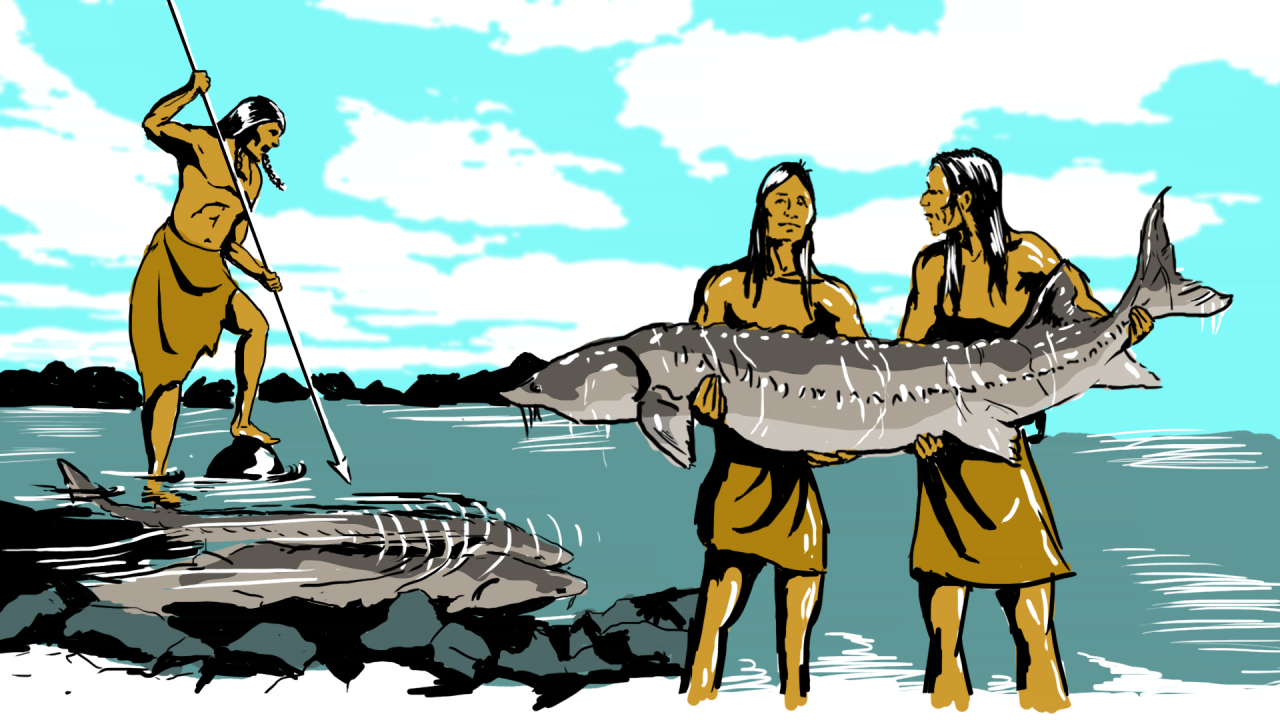
Native American fishing rights are deeply rooted in the history and culture of indigenous communities across the United States. For centuries, fishing has been more than a means of sustenance; it represents cultural significance and a vital connection to nature. However, the recognition and protection of these rights have been fraught with challenges, including legal battles and evolving government policies.
- Treaties as Legal Foundations: One of the earliest acknowledgments of Native American fishing rights emerged through treaties between the U.S. government and various tribes. These agreements often included provisions guaranteeing fishing rights in traditional territories. A notable example is the Treaty of Olympia (1855), which secured fishing rights for the Quinault, Quileute, and Hoh tribes in Washington State.
- Legal Challenges: Despite these treaties, Native American fishing rights faced numerous infringements over the years as state governments imposed restrictions often disregarding indigenous rights. This led to significant legal battles where tribes asserted their treaty-protected rights.
- Landmark Decisions: A pivotal moment came in 1974 with the Boldt Decision, where Judge George Boldt ruled that treaties signed in the 1850s entitled Native American tribes in Washington State to half of the annual catch in their traditional fishing areas. This ruling reaffirmed treaty rights and set a precedent for other states.
As we advance into 2024, understanding this historical context is crucial for recognizing and respecting Native American fishing rights.
State-by-State Regulations for Native American Fishing Licenses
While federal treaties form the backbone of Native American fishing rights, specific regulations can vary significantly from state to state. Here’s a closer look at some key regulations as they stand in 2024:
California
- Exemptions: Members of federally recognized tribes are exempt from obtaining a state fishing license when fishing on their tribe's reservation or on waters where they have fishing rights.
- Requirements: Tribal members must carry documentation proving tribal membership and adhere to all other state regulations (e.g., bag limits).
Washington
- Fishing Rights: Members of treaty tribes can fish in their usual areas without a state license if they possess valid tribal identification.
- Permits for Non-Natives: Non-native anglers may need a tribal fishing permit alongside a state license when fishing on reservation lands.
Oklahoma
- Tribal Jurisdiction: Members of federally recognized tribes are generally exempt from state license requirements when fishing on their reservation or jurisdictional waters.
- Variability: Specific regulations may differ based on individual tribe rules.
Minnesota
- Ceded Lands: The Chippewa (Ojibwe) tribes have treaty-protected rights to fish on ceded lands without a state license.
- Traditional Methods: Tribal members can use traditional methods such as spearfishing and netting.
Wisconsin
- Off-Reservation Rights: Chippewa (Ojibwe) tribes have off-reservation fishing rights as outlined in treaties.
- Regulations Compliance: Tribal members must follow tribal regulations while non-native anglers should respect these rights.
These examples illustrate that understanding local regulations is essential for both Native American fishermen and non-native anglers to ensure compliance and foster respectful coexistence on the water.
Legal Challenges and Landmark Cases in Native American Fishing Rights
The journey toward recognizing Native American fishing rights has been marked by significant legal challenges that have shaped current practices:
United States v. Washington (Boldt Decision)
In 1974, Judge George Boldt’s ruling reaffirmed treaty rights for tribes in Washington State, entitling them to half of the annual catch in their traditional areas. This decision established a framework for co-management between tribes and state governments.
Minnesota v. Mille Lacs Band of Chippewa Indians
The 1999 U.S. Supreme Court ruling upheld the Chippewa tribe’s treaty-protected right to hunt, fish, and gather on ceded lands, reinforcing that such rights cannot be overridden by state regulations without congressional approval.
Penn Battle III Surf Spinning Combo
United States v. Michigan
This case affirmed treaty-protected fishing rights for several Michigan tribes in the Great Lakes during the 1970s. The ruling led to establishing co-management bodies like the Chippewa Ottawa Treaty Fishery Management Authority (COTFMA).
Puyallup Tribe v. Department of Game of Washington
The Puyallup Trilogy solidified treaty protections for tribal fishing activities against state regulation attempts during the 1960s and 1970s.
Understanding these landmark cases is vital for recognizing how legal precedents continue to shape Native American fishing rights today.
The Role of Wildlife Departments in Managing Native American Fishing Rights
State wildlife departments play an essential role in managing Native American fishing rights while ensuring sustainable fisheries resources:
- Co-management Strategies: Wildlife departments collaborate with tribal governments to develop co-management strategies that incorporate traditional ecological knowledge into management decisions.
- Joint Decision-Making Bodies: Entities like COTFMA facilitate discussions between tribal representatives and state agencies regarding management plans, harvest quotas, and conservation measures.
- Regulation Enforcement: State wildlife departments monitor compliance with both state and tribal regulations while fostering mutual respect for indigenous sovereignty.
- Public Education: Educating non-native anglers about Native American fishing rights promotes understanding and reduces conflicts on shared waters.
By embracing principles of collaboration and education, wildlife departments can help create a more equitable future for all stakeholders involved in fisheries management.
The Future of Native American Fishing Rights: Challenges and Opportunities
Looking ahead to 2024 and beyond, both challenges and opportunities lie ahead for Native American fishing rights:
Challenges
- Climate Change Impacts: Rising temperatures and changing environmental conditions threaten fish populations crucial for indigenous communities’ sustenance.
- Public Understanding: Ongoing education is needed to promote awareness about treaty-protected rights among non-native stakeholders.
Opportunities
- Traditional Ecological Knowledge: Increasing recognition of indigenous knowledge can enhance fisheries management strategies.
- Economic Development: Tribal governments can leverage their fishing rights for sustainable economic opportunities through initiatives like seafood processing facilities or cultural tourism centered around traditional practices.
By addressing these challenges while seizing opportunities for collaboration, we can work towards a sustainable future where Native American fishing rights are respected as an integral part of our shared cultural heritage.