
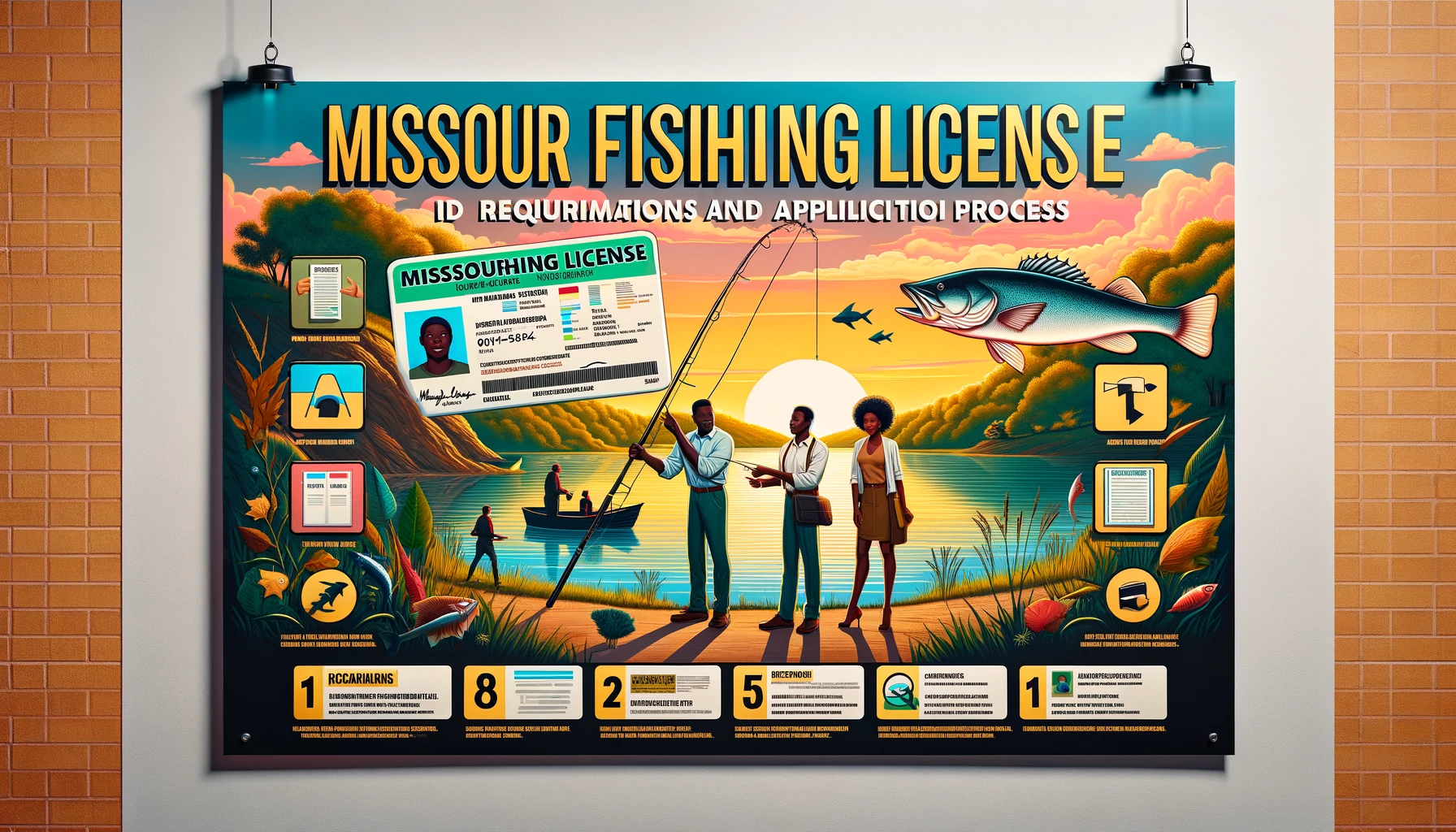
Missouri’s diverse waterways offer anglers a wealth of fishing opportunities, from the mighty Mississippi River to pristine Ozark streams. To legally cast a line in the Show-Me State, most anglers need a valid fishing license. This comprehensive guide outlines the ID requirements, application process, and key regulations for obtaining a Missouri fishing license in 2024.
Who Needs a Missouri Fishing License?
Generally, anyone aged 16 to 64 who wants to fish in Missouri’s public waters needs a fishing permit. However, there are several important exceptions:
- Missouri residents aged 65 or older
- Residents under 16 years old (for certain fishing methods)
- Landowners fishing on their own property
- Disabled veterans with qualifying service-related disabilities
- Anglers fishing during designated Free Fishing Days
It’s crucial to note that even if you’re exempt from the general fishing permit, you may still need special permits for trout fishing or specific conservation areas.
Types of Missouri Fishing Licenses
Missouri offers several fishing permit options to accommodate different needs:
- Resident Fishing Permit: $13.00
- Nonresident Fishing Permit: $51.00
- Daily Fishing Permit: Available for both residents and non-residents
- Trout Permit: Required in addition to the general fishing permit for possessing trout
- Lifetime Fishing Permit: Available for Missouri residents
ID Requirements for Obtaining a License
When applying for a Missouri fishing license, you’ll need to provide one of the following forms of identification:
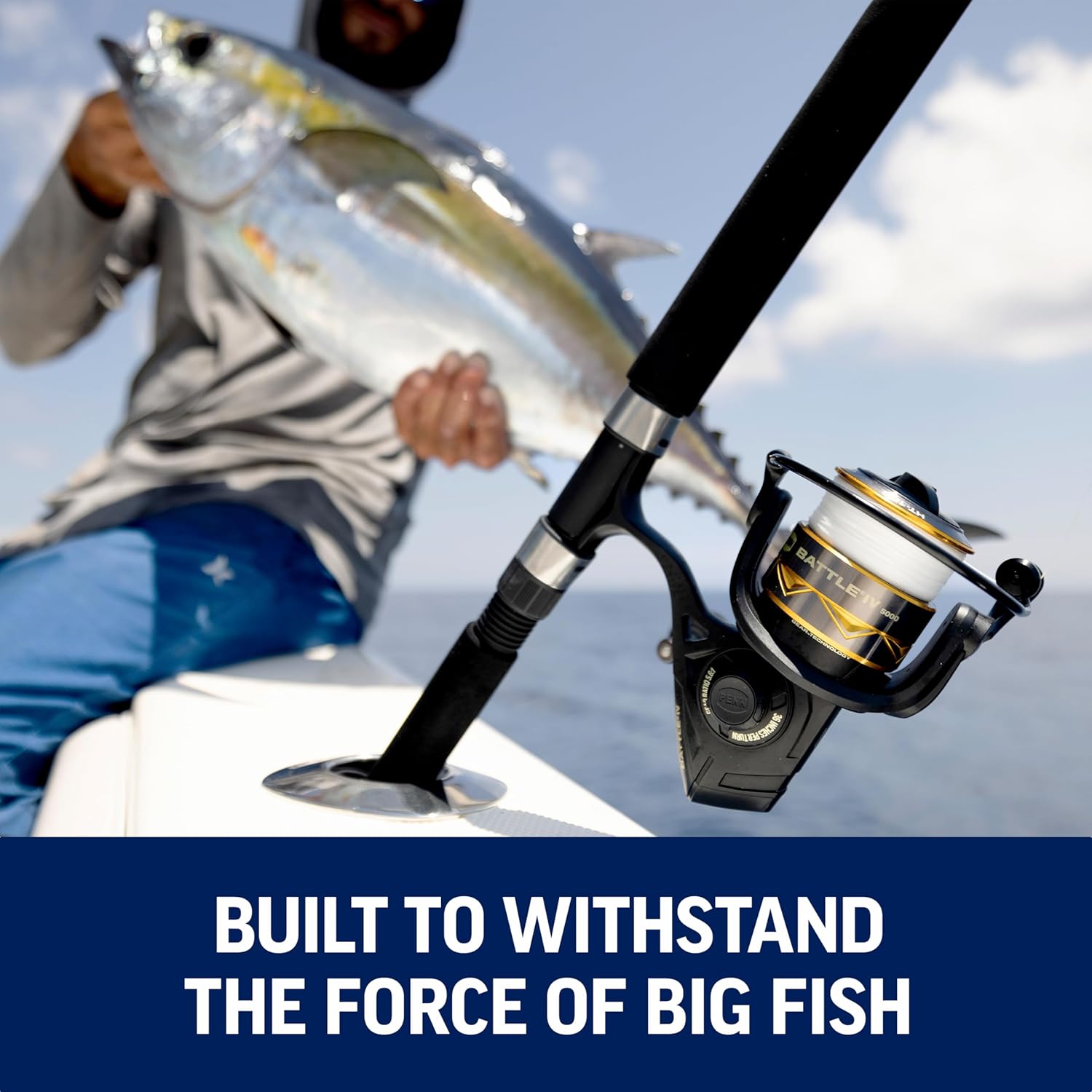
Penn Battle III Surf Spinning Combo
- Missouri driver's license
- Valid passport
- Military ID (for active duty or veterans)
- Other government-issued photo ID
For online purchases, you may need to provide additional information to verify your identity and residency status.
How to Apply for a Missouri Fishing License
Missouri offers several convenient ways to obtain your fishing license:
- Online: Visit the Missouri Department of Conservation (MDC) website to purchase and print your license instantly.
- Mobile App: Download the free MO Fishing app to buy and store your digital license on your smartphone.
- In-Person: Purchase from MDC offices, authorized vendors (such as sporting goods stores), or local bait shops.
- By Phone: Call 800-392-4115 to purchase over the phone (a $1 surcharge applies).
Pro Tip: When purchasing online or through the app, you can immediately print or display your license, allowing you to start fishing right away!
Key Regulations to Remember
- Carry Your License: Always have your fishing license with you while fishing.
- Trout Fishing: A separate trout permit is required in addition to your general fishing license.
- Free Fishing Days: Missouri typically offers free fishing days in June, where no license is required.
- Catch Limits: Familiarize yourself with species-specific catch limits and size restrictions.
Costs and Validity
Fishing license costs in Missouri for 2024 are as follows:
- Resident Fishing Permit: $13.00
- Nonresident Fishing Permit: $51.00
- Daily Fishing Permit (Resident): $5.50
- Daily Fishing Permit (Nonresident): $9.00
- Trout Permit: $10.00 (required in addition to fishing permit)
Most annual permits are valid for one year from the date of purchase.
Renewing Your License
To ensure uninterrupted fishing access, consider these renewal options:
- Auto-Renewal: Set up automatic renewal through your MDC online account.
- Manual Renewal: Purchase a new license before your current one expires using any of the methods described above.
Conservation and Responsible Fishing
By purchasing a Missouri fishing license, you’re directly supporting conservation efforts in the state. The Missouri Department of Conservation uses license fees to fund habitat restoration, fish stocking programs, and educational initiatives.
Remember: Practice catch-and-release when appropriate, and always follow local regulations to help preserve Missouri’s aquatic ecosystems for future generations.