
2026 Michigan Fishing License — Quick Prices
| License Type | 2026 Cost |
|---|---|
| Annual — Resident | $26 (+ $1 surcharge) |
| Annual — Non-Resident | $76 (+ $1 surcharge) |
| Annual — Senior Resident (65+) | $11 (+ $1 surcharge) |
| Daily — Resident or Non-Resident | $10/day |
| Youth (under 17, voluntary) | $2 |
License year: March 1, 2026 – March 31, 2027 | Buy online: Michigan.gov/DNRLicenses
Fishing in Michigan is more than a pastime — it is a cornerstone of the state’s outdoor identity. With more than 11,000 inland lakes, 36,000 miles of rivers and streams, and two of the Great Lakes (Michigan and Superior) stretching across its borders, Michigan offers some of the most diverse angling in North America. From walleye runs on Lake St. Clair to steelhead on the Muskegon River and yellow perch through the ice on Houghton Lake, the fishery here draws millions of anglers every year.
To fish legally in Michigan’s public waters, every angler aged 17 and older must hold a valid fishing license. The 2026 license year runs from March 1, 2026 through March 31, 2027, and the Michigan DNR confirmed current pricing via its March 2, 2026 press release. Fees have not changed from the prior year — but proposed increases for the 2027 budget cycle are under legislative review (see the Proposed 2027 Fee Changes section below).
Who Needs a Fishing License in Michigan?
Any person aged 17 or older must purchase a valid fishing license before fishing in Michigan’s public waters — whether fishing for sport, catch-and-release, or for the table. The requirement applies equally to residents and non-residents and covers all species, including fish, amphibians, crustaceans, and reptiles. An adult actively assisting a child must also hold a valid license.
Exemptions Table — Who Does Not Need a License
| Category | Exemption Detail |
|---|---|
| Children under 17 | No license required, but all fishing regulations still apply |
| Active-duty military (Michigan residents) | License fees waived; must carry military ID + MI driver's license or voter registration |
| Veterans with 100% permanent disability (MI residents) | All hunting and fishing license fees waived |
| Legally blind Michigan residents | Qualify for the senior license rate ($11); eligible for the same exemptions |
| Individuals with developmental disabilities | May obtain a DNR permit to fish without a license when part of a supervised group |
| Free Fishing Weekends | License requirement waived for all anglers on Free Fishing Weekends (see below) |
Complete 2026 Michigan Fishing License Price Table
The following fees are confirmed for the 2026 license year (March 1, 2026 – March 31, 2027). Items marked with an asterisk (*) include a $1 surcharge that funds public education on the benefits of hunting, fishing, and conservation in Michigan.
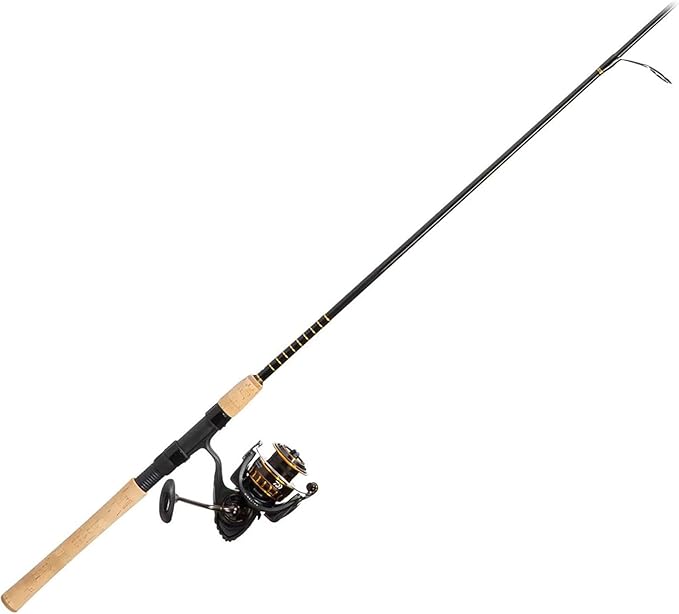
Daiwa BG Spinning Combo
| License Type | Eligibility | 2026 Fee (incl. surcharge) |
|---|---|---|
| Annual All Species — Resident | Michigan residents aged 17+ | $26 + $1 = $27 total |
| Annual All Species — Non-Resident | Non-residents aged 17+ | $76 + $1 = $77 total |
| Annual All Species — Senior Resident | MI residents aged 65+ or legally blind | $11 + $1 = $12 total |
| Daily All Species — Resident or Non-Resident | Any angler aged 17+ | $10/day (you set start date/time) |
| Youth Annual (voluntary) | Residents or non-residents under 17 | $2 |
| Underwater Spearfishing | Resident or Non-Resident | Free (DNR Sportcard may be required; monthly reporting required) |
| Hunt/Fish Combo — Resident | Includes base license, 2 deer, annual fishing | $76 (+ $1 surcharge) |
| Hunt/Fish Combo — Senior Resident (65+) | Michigan seniors | $43 (+ $1 surcharge) |
| Hunt/Fish Combo — Non-Resident | Non-residents | $266 (+ $1 surcharge) |
| DNR Sportcard | Required for non-residents; needed for some activities | $1.00 |
What Your License Covers
Michigan’s annual all-species fishing license covers the harvest of all fish species legally available for recreational angling in the state — including walleye, bass, pike, perch, panfish, trout, and salmon in all inland and Great Lakes waters. The daily license functions identically but is valid for a 24-hour window beginning at the date and time you select at purchase.
There are no separate trout stamps, salmon stamps, or species-specific endorsements required for general recreational fishing in Michigan. However, certain activities — such as underwater spearfishing — require their own permit, and some species carry additional reporting requirements. Lake sturgeon, for example, must be registered within 24 hours of harvest at Michigan.gov/RegisterFish, by phone at 888-636-7778, or in person at a DNR Customer Service Center.
How to Buy a Michigan Fishing License in 2026
Michigan offers three purchase channels, all of which provide immediate access to a valid license.
Online / Mobile App (Fastest)
Purchase directly at Michigan.gov/DNRLicenses or through the Michigan DNR Hunt Fish app, available for iOS and Android. Licenses purchased online are emailed as a printable PDF and can be stored digitally on your smartphone — Michigan conservation officers accept digital license display. You will need your Michigan driver’s license number or DNR Customer ID to complete the transaction.
In-Person Retailers
Licenses are sold at thousands of retail locations statewide, including bait and tackle shops, sporting goods stores, and major retailers such as Walmart and Meijer. The retailer will print your license on the spot. A $3 replacement fee applies if you need to reprint a license originally purchased at a retail agent.
DNR Customer Service Centers
The DNR operates Customer Service Centers across the state where staff can assist with licenses, permits, and registrations. Centers also serve as in-person sturgeon registration sites. Find the nearest location at Michigan.gov/DNR.
| Purchase Method | Processing Time | Notes |
|---|---|---|
| Online (Michigan.gov/DNRLicenses) | Instant | Print or store digitally; accepted by officers |
| Michigan DNR Hunt Fish App | Instant | iOS + Android; digital display accepted |
| In-person retailer (Walmart, bait shops) | Same-day | Printed on-site; $3 reprint fee if lost |
| DNR Customer Service Center | Same-day | Best for complex permits or in-person registration |
When Does a Michigan Fishing License Expire?
Michigan’s annual fishing license does not run on a calendar year. It follows a March 1 to March 31 cycle. A license purchased on any date between March 1, 2026 and March 31, 2027 is valid through March 31, 2027. This is a longer window than many states offer, making late-season purchases an especially good value for year-round anglers.
Daily licenses run for exactly 24 hours from the date and time you specify at the point of purchase. You can set the start time in advance, which is useful for planning a pre-dawn walleye trip or a weekend ice fishing outing.
2026 Michigan Free Fishing Weekends
Michigan holds two Free Fishing Weekends each year, during which all fishing license requirements are waived for residents and out-of-state visitors alike. All standard fishing regulations — including size limits, bag limits, and season restrictions — still apply. The Michigan DNR’s Free Fishing page confirms the following 2026 dates:
- Winter: February 14–15, 2026 (President's Day weekend)
- Summer: June 13–14, 2026 (first full weekend following the first full week of June)
During the summer Free Fishing Weekend, the Recreation Passport fee for state park and boating access site entry is also waived, and the event runs concurrently with Michigan’s Free ORV Weekend. These are excellent days to introduce a new angler — or bring a friend from out of state — without the upfront cost of a license.
2026 Michigan Fishing Regulations: Key Updates
The 2026 Michigan Fishing Regulations digest (effective April 1, 2026) contains several notable changes and ongoing rules that all anglers should review.
Lake Sturgeon
The sturgeon permit and harvest tag are no longer required as of the current regulations. However, anglers who harvest a lake sturgeon must register the fish within 24 hours at Michigan.gov/RegisterFish, by phone at 888-636-7778, or in person at a DNR Customer Service Center. On most Michigan waters, targeting lake sturgeon remains prohibited; designated harvest waters include Lake St. Clair, the St. Clair River, Otsego Lake, the Menominee River, and Black Lake. Any sturgeon caught incidentally in non-designated waters must be released immediately.
Trout Regulations
The Michigan Natural Resources Commission enacted changes to inland trout regulations on several Upper Peninsula lakes in late 2025, effective going into the 2026 season. Anglers fishing designated Type 3 and Type 4 streams should review current limits closely, as rainbow trout possession limits have been tightened on certain waters to support population recovery. Verify the specific body of water you plan to fish in the 2026 regulations digest.
Muskellunge
Anglers harvesting muskellunge must continue to report catches within 24 hours. This reporting requirement supports the DNR’s ongoing population management and stocking programs for this iconic Michigan sport fish.
Great Lakes Trout and Salmon Tagging Program
Many Great Lakes trout and salmon are marked with microscopic coded-wire tags. The DNR asks that anglers not remove any tags from lake sturgeon, and cooperate with the broader tagging program by reporting tagged fish through official channels.
Proposed 2027 Fee Changes (Not Yet in Effect)
Governor Whitmer’s revised 2027 budget proposal, reported by the Detroit Free Press in March 2026, includes significant fishing license fee increases that would take effect in the next fiscal year if enacted. Key proposed changes include:
- Annual all-species resident license: increase from $25 to $30
- Annual all-species non-resident license: increase from $75 to $90
- Daily resident license: increase from $10 to $15
- Daily non-resident license: increase from $10 to $25
- Minimum licensing age would decrease from 17 to 16
- Future increases would be indexed to inflation via the Consumer Price Index
As of March 2026, the Michigan House has not acted on the fee package. These prices are not yet law — the current 2026 fees in this guide remain in effect. Verify the latest status at Michigan.gov/DNR before purchasing.
Penalties for Fishing Without a License in Michigan
Fishing without a valid license in Michigan is a misdemeanor under the Natural Resources and Environmental Protection Act. Fines range from $50 to $2,500, depending on the nature and circumstances of the violation. Court costs and additional fees are typically added on top of the base fine, and repeat offenders may face license suspension or revocation. Conservation officers conduct routine checks on public waters, docks, and at fishing access sites — carrying your license at all times is the simplest way to avoid an expensive encounter.
Violations involving protected species (lake sturgeon, muskellunge over limit, or illegally harvested trout) can carry additional charges and substantially higher penalties. Report suspected poaching through the Report All Poaching (RAP) hotline at 800-292-7800 or at Michigan.gov/EyesInTheField.
Where Does Your License Fee Go?
Michigan fishing license revenue flows primarily into the Game and Fish Protection Fund, which accounts for approximately 68% of the DNR’s fish and wildlife operations budget. Funds support fish stocking programs across the state’s 11,000+ inland lakes, stream habitat restoration, fisheries research, conservation officer enforcement, and public education. The $1 surcharge included in resident, non-resident, and senior annual licenses is specifically directed to public outreach programs promoting hunting, fishing, and trapping — including the Michigan Wildlife Council.
The DNR has noted publicly that costs have risen approximately 30% since the last major license restructuring in 2014, and that current fees are not fully keeping pace with operational expenses. This context underlies the proposed 2027 fee increases now under legislative review.
Money-Saving Tips for Michigan Anglers
- Hunt/Fish Combo License: At $76 for residents (same price as the standalone non-resident annual fishing license), the combo includes a base hunting license, two deer licenses, and an annual all-species fishing license — a strong value for anglers who also hunt.
- Free Fishing Weekends: Try before you buy. Michigan's two annual Free Fishing Weekends (February 14–15 and June 13–14 in 2026) let any angler fish without a license — ideal for newcomers or occasional anglers who don't want to commit to a full annual license.
- Senior License: Michigan residents aged 65 and older (and legally blind residents) pay just $11 for an annual license — 58% less than the standard resident fee.
- Military and Veterans: Full-time active-duty military with maintained Michigan residency fish for free. Veterans with a 100% permanent and total disability rating also receive free licenses.
- Daily vs. Annual Breakeven: At $10 per day, a daily license costs the same as the annual resident license after just three days of fishing in the same license year. Anyone fishing three or more days per year should buy the annual license.
Frequently Asked Questions
Do I need a license to catch-and-release fish in Michigan?
Yes. Michigan requires a valid fishing license for any angler aged 17 or older regardless of whether they intend to keep their catch. The license requirement applies as soon as you are fishing — not just when you harvest.
Can I fish in Michigan on my smartphone without printing my license?
Yes. Digital licenses purchased through Michigan.gov/DNRLicenses or the Michigan DNR Hunt Fish app are accepted by conservation officers in digital form on your smartphone. You do not need to print a paper copy, though keeping a printed backup is advisable for areas with poor signal.
Does Michigan have a license for fishing on the Great Lakes specifically?
No separate Great Lakes license is required. Michigan’s standard annual or daily all-species fishing license covers both inland waters and the Great Lakes — including Lake Michigan, Lake Superior, Lake Huron, and Lake Erie within Michigan’s jurisdiction.
Is there a senior fishing license in Michigan?
Yes. Michigan residents aged 65 and older (and legally blind Michigan residents of any age) can purchase an annual all-species senior license for $11, plus the $1 surcharge. Non-residents do not qualify for the senior rate — they pay the standard $76 annual fee regardless of age.
What is the DNR Sportcard, and do I need one?
The DNR Sportcard costs $1 and is required for all non-residents in addition to their fishing license. Michigan residents purchasing only a fishing license do not need a Sportcard. The Sportcard is included automatically in combination hunt/fish licenses.
Can I fish on tribal lands in Michigan without a state license?
Michigan’s 12 federally recognized Native American tribes retain treaty fishing rights in ceded territories, which cover significant portions of the northern Lower Peninsula and the Upper Peninsula. Tribal members fishing under tribal authority generally do not need a state license in those waters. Non-tribal members fishing in these areas must still comply with state licensing requirements. Check with the relevant tribal fisheries authority for current regulations in specific areas.
What happens if my license is lost or damaged?
If you purchased online, log in to your Michigan.gov/DNRLicenses eLicense account to reprint your license at no charge. If you purchased at a retail agent, any license agent can reprint non-kill-tag items for a $3 fee. For assistance, call 517-284-6057.