
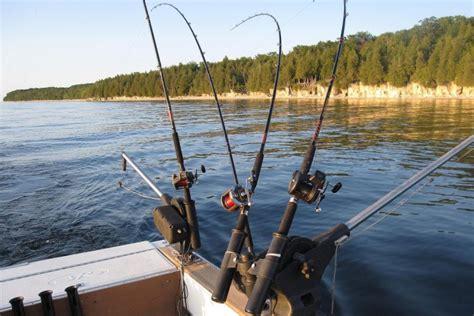
Fishing License Fees in Massachusetts for 2024
The cost of a Massachusetts fishing license varies depending on several factors, including residency status, age, and the type of license required. Here’s a breakdown of the fees for 2024:
Resident Licenses:
- Annual Freshwater Fishing License: $27.50
- Annual Saltwater Fishing Permit: $10.00
- Annual Fishing License (Freshwater and Saltwater): $35.00
- Fishing License for Minors (Ages 15-17): $11.50
- Fishing License for Seniors (Ages 65-69): $16.25
- Fishing License for Seniors (Ages 70 and older): Free
Non-Resident Licenses:
- Annual Freshwater Fishing License: $37.50
- Annual Saltwater Fishing Permit: $10.00
- Annual Fishing License (Freshwater and Saltwater): $45.00
- One-Day Freshwater Fishing License: $9.50
- Three-Day Freshwater Fishing License: $23.50
It’s important to note that these fees are subject to change, so it’s always a good idea to check the Massachusetts Division of Fisheries and Wildlife website for the most up-to-date information.
Purchasing a Massachusetts Fishing License Online
In today’s digital age, purchasing a Massachusetts fishing license has never been easier. The state offers an online licensing system that allows you to buy your license from the comfort of your home or on the go. Here’s how you can purchase your license online:
- Visit the Massachusetts Fishing and Hunting Licenses website.
- Click on the “Buy Licenses” button.
- Select the type of license you need (e.g., Freshwater Fishing, Saltwater Fishing, or both).
- Enter your personal information, including your name, date of birth, and residency status.
- Review and confirm your purchase.
- Print your license or save it to your mobile device.
It’s important to note that there may be additional fees associated with online purchases, such as a small convenience fee or transaction fee. These fees are typically minimal and are clearly displayed during the checkout process.
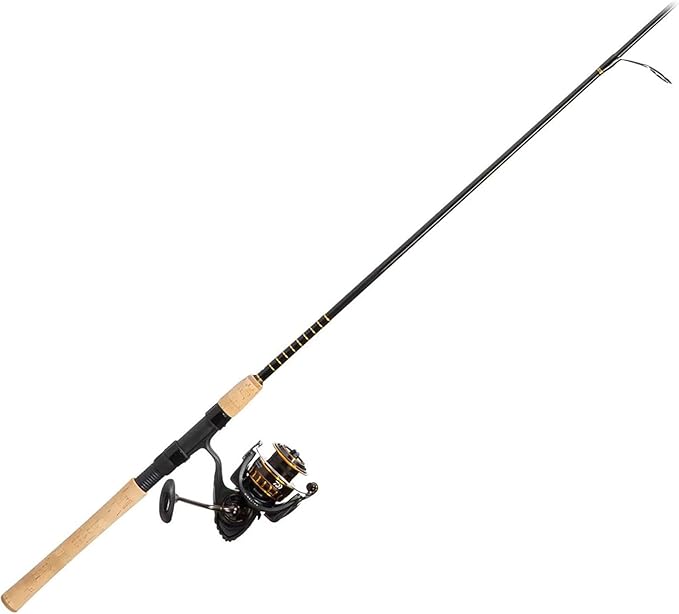
Daiwa BG Spinning Combo
License Requirements and Eligibility
To obtain a Massachusetts fishing license, you must meet certain requirements and provide the necessary documentation. Here are the key eligibility criteria:
Age Requirements:
- Individuals under the age of 15 do not need a fishing license in Massachusetts.
- Minors between the ages of 15 and 17 must purchase a discounted youth fishing license.
- Adults aged 18 and older must purchase a full-priced fishing license.
Residency Requirements:
- Residents of Massachusetts are eligible for resident fishing license fees.
- Non-residents, including out-of-state visitors and temporary residents, must purchase non-resident licenses at a higher cost.
Documentation:
- Proof of residency may be required when purchasing a resident fishing license. Acceptable forms of documentation include a valid Massachusetts driver’s license, state-issued ID, or utility bill with a Massachusetts address.
- Minors under the age of 18 may need to provide a birth certificate or other proof of age when purchasing a youth fishing license.
It’s essential to ensure that you meet all the necessary requirements and provide the appropriate documentation to avoid any issues or penalties when fishing in Massachusetts.
Types of Massachusetts Fishing Licenses
Massachusetts offers several types of fishing licenses to cater to different angling preferences and needs. Here’s an overview of the available options:
- Freshwater Fishing License: This license allows you to fish in freshwater bodies, such as lakes, rivers, and streams, within the state of Massachusetts. It covers both warm and cold-water species, including trout, bass, and panfish.
- Saltwater Fishing Permit: If you plan to fish in the coastal waters of Massachusetts, including the ocean, bays, and estuaries, you’ll need a saltwater fishing permit. This permit is required in addition to a freshwater fishing license if you intend to fish in both freshwater and saltwater areas.
- Combined Freshwater and Saltwater Fishing License: For anglers who want the flexibility to fish in both freshwater and saltwater environments, Massachusetts offers a combined license that covers both types of fishing.
- Short-Term Licenses: In addition to annual licenses, Massachusetts also offers short-term options for non-residents or occasional anglers. These include one-day and three-day freshwater fishing licenses.
- Specialty Licenses: Depending on your specific fishing interests, Massachusetts may offer specialty licenses or permits for activities such as trapping, hunting, or fishing for specific species like trout or striped bass.
When purchasing your license, be sure to select the option that best suits your fishing plans and preferences to ensure compliance with state regulations.
Frequently Asked Questions
Do I need a separate license for freshwater and saltwater fishing in Massachusetts?
Yes, if you plan to fish in both freshwater and saltwater environments, you’ll need to purchase both a freshwater fishing license and a saltwater fishing permit. However, Massachusetts also offers a combined license that covers both types of fishing for added convenience.
Are there any discounts or exemptions for Massachusetts fishing licenses?
Yes, Massachusetts offers discounted fishing licenses for certain groups, including:
- Minors (ages 15-17)
- Seniors (ages 65-69)
- Seniors (ages 70 and older) receive a free fishing license
Additionally, disabled individuals, veterans, and active military personnel may be eligible for discounts or exemptions. It’s best to check the Massachusetts Division of Fisheries and Wildlife website for the most up-to-date information on discounts and exemptions.
Can I use my Massachusetts fishing license in other states?
No, your Massachusetts fishing license is only valid within the state of Massachusetts. If you plan to fish in other states, you’ll need to purchase a separate fishing license that complies with the regulations of that particular state.
How long is a Massachusetts fishing license valid for?
Annual fishing licenses in Massachusetts are valid for one year from the date of purchase. Short-term licenses, such as one-day or three-day licenses, are valid for the specified duration.
What are the penalties for fishing without a valid license in Massachusetts?
Fishing without a valid license in Massachusetts is considered a violation of state regulations and can result in fines and penalties. The exact penalties may vary depending on the specific circumstances, but they can include fines, confiscation of equipment, and potential legal consequences for repeat offenders.
By addressing these frequently asked questions, we aim to provide comprehensive coverage of the topic and increase the article’s relevance and potential to satisfy user intent.
Supplementary Information
In addition to the core information on license costs, requirements, and purchasing options, it’s essential to include relevant supplementary details to provide a more comprehensive understanding of the topic and increase the article’s value to users.
Fishing Regulations and Seasons:
Massachusetts has specific regulations and seasons for different types of fishing and species. It’s crucial to familiarize yourself with these regulations to ensure responsible and legal fishing practices. Some key points to consider include:
- Catch limits and size restrictions for certain species
- Closed seasons or areas for specific fish populations
- Gear restrictions or requirements (e.g., barbless hooks, lure types)
- Special regulations for certain bodies of water or designated areas
You can find detailed information on fishing regulations and seasons on the Massachusetts Division of Fisheries and Wildlife website.
Fishing Resources and Guides:
To enhance your fishing experience in Massachusetts, consider exploring the following resources and guides:
- Massachusetts Fishing Maps and Guides: This official resource provides maps, guides, and information on various fishing locations throughout the state.
- Massachusetts Fishing Reports: Stay up-to-date with the latest fishing reports, including hot spots, successful techniques, and species activity.
- Massachusetts Fishing Clubs and Organizations: Connect with local fishing communities, clubs, and organizations to share knowledge, experiences, and find potential fishing buddies.
By providing these supplementary details and resources, we aim to offer a more comprehensive understanding of fishing in Massachusetts, catering to the diverse needs and interests of anglers.