
Understanding the Types of Fishing Licenses
Resident License
A resident fishing license is designed for individuals who live in the state where they intend to fish. To qualify, applicants must provide proof of residency, such as a driver’s license or utility bill. Typically, resident licenses are more affordable than their non-resident counterparts, making them a cost-effective option for local anglers. For example, in Wisconsin, the annual cost for a resident fishing license is $20 for individuals over 16 years of age for the 2024-2025 season. You can purchase your license online through the Wisconsin DNR’s Go Wild system.
Non-resident License
The non-resident fishing license is intended for individuals who wish to fish in states where they do not reside. These licenses generally come at a higher price due to the privilege of accessing out-of-state fishing resources. For instance, California charges $166.89 for a non-resident sport fishing license in 2025. This license allows fishing in both inland and ocean waters, but additional validations may be required for certain species. For more details on California’s fishing licenses, visit the California Fish and Wildlife website.
Special Permits
Certain states require special permits for specific types of fishing activities, such as saltwater fishing or targeting particular species like trout or sturgeon. These permits often involve additional fees and specific requirements. For example, in Idaho, anglers must obtain a separate report card when fishing for steelhead trout or sturgeon. It’s crucial to check your state’s regulations to ensure compliance with all requirements. You can find more information on Idaho’s fishing regulations by visiting the Idaho Fish and Game website.
Navigating General Fishing Regulations
Regardless of your license type, all anglers must adhere to general fishing regulations designed to protect fish populations and ensure sustainable enjoyment of fishing for future generations. These rules vary by state, so it’s crucial to familiarize yourself with the specific regulations that apply to your fishing location. For the most accurate and up-to-date information on fishing regulations, visit your state’s Department of Natural Resources (DNR) website. For example, Wisconsin’s regulations can be found here and New York’s statewide fishing regulations are available here.
Bag Limits
Bag limits are established by each state and dictate the maximum number of fish you are allowed to catch and keep in a single day. These limits can vary significantly depending on the species and location. For instance, Wisconsin has set a daily bag limit of three walleye/sauger on all inland waters starting April 1, 2024. Familiarizing yourself with these limits is essential to avoid unintentional violations. You can check specific bag limits for your state through resources like the Michigan DNR’s fishing guide here.
Size Limits
Many states impose size limits, which specify the minimum or maximum size of fish that can be legally kept. These regulations are crucial for protecting juvenile fish and ensuring the sustainability of species. For example, California has a minimum length limit for various species, including a 40-inch minimum for muskellunge during certain seasons. To find out the size limits applicable in your area, refer to your local DNR or wildlife agency’s website, such as California’s fishing regulations here.
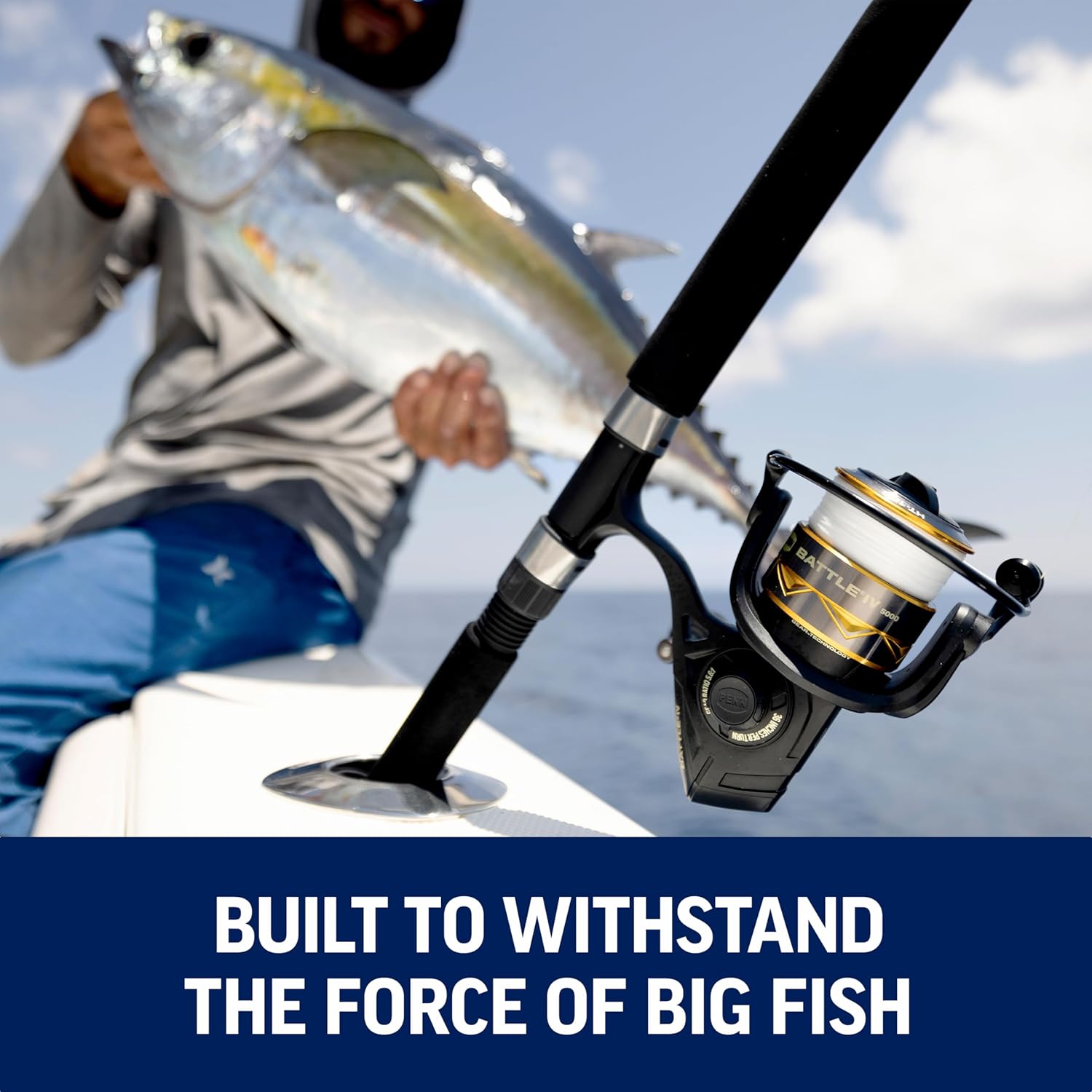
Penn Battle III Surf Spinning Combo
Fishing Seasons
Each state has designated fishing seasons that dictate when and where anglers can fish. These seasons are often aligned with the breeding cycles of different species to maintain healthy populations. For instance, many freshwater trout seasons open on April 1 and close on October 15 in New York. Always check for updates on seasonal regulations before planning your fishing trips; for current season dates, visit the Connecticut DNR here.
By keeping up with these regulations—bag limits, size limits, and seasonal restrictions—you contribute to the conservation of aquatic ecosystems while enjoying responsible fishing practices. Always ensure you have a valid fishing license and stay informed about any changes in regulations by regularly checking official state resources.
What to Do if You Lose Your Fishing License
If you find yourself in the unfortunate situation of having lost your fishing license, don’t panic. Here’s a straightforward guide to help you navigate the process of obtaining a replacement.
1. Contact Your State’s Department of Fish and Wildlife
The first step is to contact your state’s Department of Fish and Wildlife or the equivalent agency. They are responsible for issuing your license and will provide specific instructions for obtaining a replacement. It’s essential to report the loss as soon as possible to avoid any potential legal issues while fishing. For direct contact information, visit Fish and Wildlife Departments for your state.
2. Provide Identification and Pay a Fee
To receive a replacement license, you typically need to present valid identification—such as a driver’s license or passport—and pay a nominal fee. Fees vary by state but are generally low compared to potential fines for fishing without a valid license. For example, in Iowa, you can replace your license online at no cost or in person for a small fee of $2.50. More details can be found on the Iowa DNR website.
3. Keep Your Replacement License Safe
Once you obtain your new license, it’s crucial to store it securely. Consider keeping a digital copy on your phone or making an extra copy to carry with you while fishing. Some states offer digital licenses that can be easily accessed through mobile apps, providing a convenient option that reduces the risk of loss. For instance, California provides options for digital licenses through their California Fish and Wildlife portal.
4. Additional Tips for Prevention
To avoid losing your fishing license in the future, consider these practical tips:
- Use a designated spot: Always store your license in the same place, such as a specific pocket in your tackle box or wallet.
- Consider digital options: If available, opt for a digital version of your license that can be stored on your smartphone.
- Make copies: Keep photocopies or photos of your license in multiple locations (e.g., home and car) for easy access if needed.
By following these steps and tips, you can quickly rectify the situation and return to enjoying your fishing activities legally. For more information on fishing regulations and licensing, consult your local wildlife agency’s website.
For more detailed information on replacing a lost fishing license, explore our comprehensive guide on how to replace lost lifetime fishing licenses in the USA.
What should I do if I lost my fishing license?
If you have lost your fishing license, you should contact the local state agency responsible for issuing fishing licenses. They will provide you with the necessary steps to replace your lost fishing license. In most cases, you will need to provide your name, address, date of birth, and/or your previous fishing license number.
How much does it cost to replace a lost fishing license?
The cost of replacing a lost fishing license varies from state to state. In general, you can expect to pay a replacement fee of $5 to $25, depending on the state where you originally obtained your license. Keep in mind that some states may require additional fees if you need a duplicate copy of your license, or if you need to obtain a new license altogether.
Can I still fish if I lost my fishing license?
No, you cannot legally fish without a valid fishing license. If you are caught fishing without a valid license, you may face fines, penalties, and/or legal action. It is important to obtain a replacement license as soon as possible if you have lost your original license. This will ensure that you can continue to legally enjoy fishing in your state without any interruptions.