

The Golden Rule: License Requirements for Surf Fishing
Just as a master angler wouldn’t venture out without their trusted rod and reel, responsible fishermen shouldn’t approach the surf without proper documentation. In California, the overarching rule remains clear and unchanged for 2024:
Anyone 16 years or older must possess a valid fishing license to fish in ocean waters, including surf fishing.
This requirement applies equally to residents and non-residents, ensuring a level playing field for all anglers while supporting crucial marine conservation efforts. The California Department of Fish and Wildlife (CDFW) continues to enforce these regulations rigorously, with the dual aim of protecting marine resources and funding vital conservation programs.
Exceptions to the Rule: When You Can Skip the License
While the general rule is straightforward, California law provides a few specific situations where you can legally surf fish without a license:
However, it’s crucial to note that all other fishing regulations still apply, including size and bag limits. Also, this exemption only covers public piers – private piers, jetties, or breakwaters don’t qualify under this exception.
Free Fishing Days: Mark Your Calendars
California continues its tradition of offering two Free Fishing Days each year, typically around Independence Day and Labor Day. On these designated days, all fishing license requirements are waived statewide. It’s a perfect chance to introduce friends or family to the joys of surf fishing without the upfront cost of a license.
For 2024, the Free Fishing Days are scheduled for:
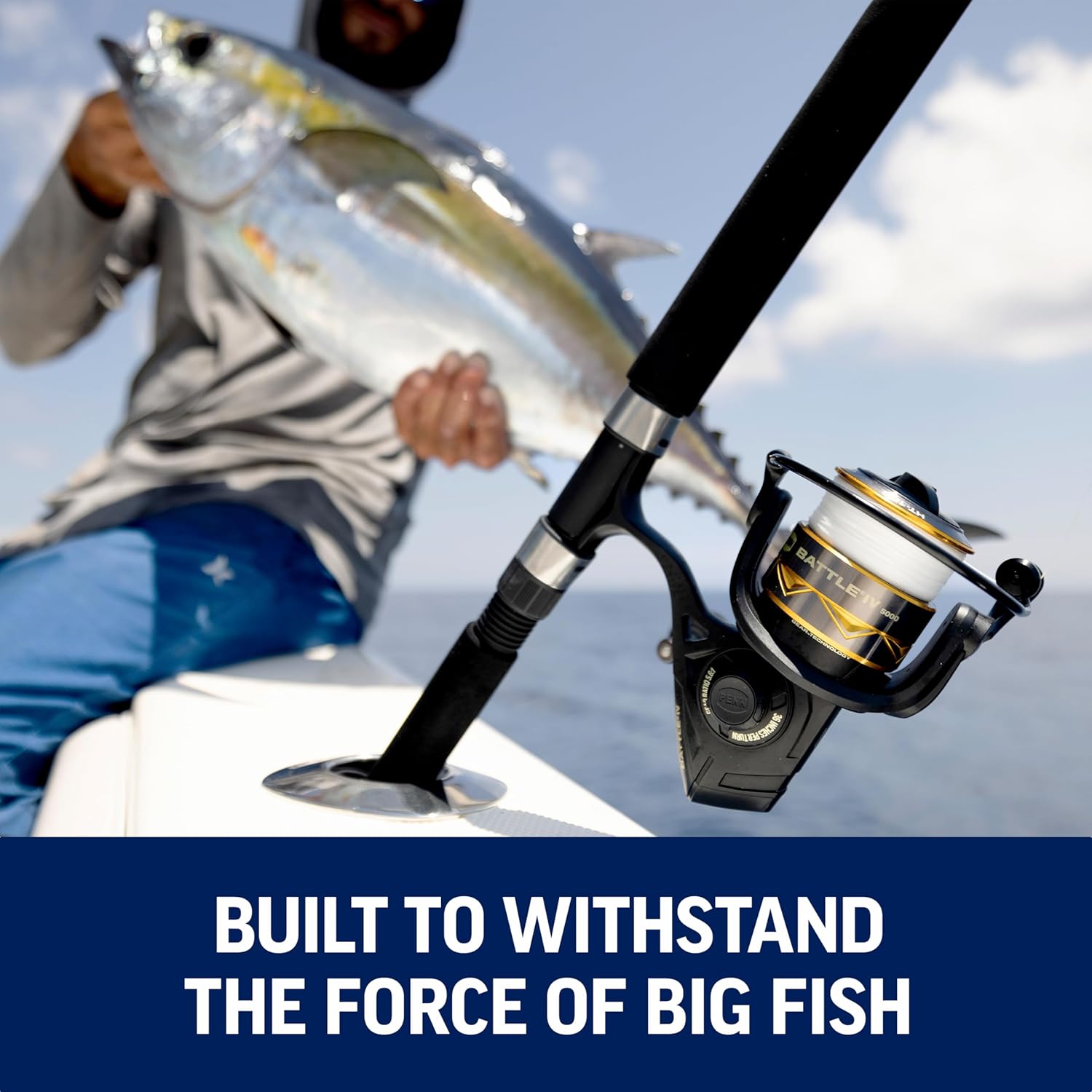
Penn Battle III Surf Spinning Combo
- Saturday, July 6, 2024
- Saturday, August 31, 2024
Mark these dates in your fishing journal and plan accordingly!
The Cost of Compliance: License Options and Fees for 2024
For those times when you need a license, California offers several options to suit different fishing habits. As of 2024, the fees are as follows:
- Annual Sport Fishing License
- Resident: $61.82
- Non-resident: $166.89
- Short-Term Licenses
- One-day: $20.26 (resident or non-resident)
- Two-day: $31.06 (resident or non-resident)
- Ten-day: $61.82 (non-residents only)
- Lifetime Fishing License
- Prices vary based on age, ranging from $679.75 to $1,112.00
It’s worth noting that these prices have remained stable since 2023, reflecting the CDFW’s commitment to keeping fishing accessible. However, always check the official CDFW website for the most up-to-date information, as fees can be subject to change.
The Ocean Enhancement Validation: A Crucial Add-On
When surf fishing south of Point Arguello in Santa Barbara County, you’ll need an additional Ocean Enhancement Validation. This $7.05 add-on helps fund critical marine species research and management programs. The validation is required for all anglers fishing in ocean waters south of Point Arguello, regardless of age or license status.
Consequences of Fishing Without a License: The High Cost of Non-Compliance
Thinking about risking it and fishing without a license? Think again. The consequences can be as painful as a barbed hook in your thumb:
- Fines ranging from $485 to $1,000
- Additional penalties of up to $1,000 per illegally caught fish
- Potential jail time for repeat offenders or failure to pay fines
These penalties can turn a relaxing day of surf fishing into a costly and stressful ordeal. It’s simply not worth the risk.
Moreover, recent data from the CDFW shows an increase in enforcement efforts. In 2023, the department issued over 5,000 citations for fishing without a license, resulting in over $2 million in fines. This trend is expected to continue in 2024, with increased patrols along popular surf fishing spots.
- Always carry your license: Keep it in a waterproof container or use the CDFW Digital License app to display it digitally.
- Know the regulations: Familiarize yourself with size and bag limits for different species. These can change annually, so stay informed.
- Check local rules: Some beaches may have additional restrictions or closures. For example, certain areas may be off-limits during specific seasons to protect nesting birds or marine mammals.
- Respect the environment: Practice catch-and-release when appropriate and leave no trace. California's coastline is home to several endangered species, and responsible fishing helps protect these fragile ecosystems.
- Stay informed: Regulations can change, so check for updates before each fishing season. The CDFW website and mobile app are excellent resources for the latest information.
The Future of Fishing Licenses: Digital Convenience and Enhanced Enforcement
In a move that’s sure to please tech-savvy anglers, California has fully embraced digital licensing. The CDFW Digital License app, launched in 2023 and refined for 2024, allows you to:
- Display your fishing license on your mobile device
- Access real-time fishing regulations and other CDFW resources
- Report catches and contribute to citizen science efforts
- Receive alerts about local fishing conditions and regulation changes
This digital solution not only eliminates the risk of losing or damaging a paper license but also enhances the CDFW’s ability to enforce regulations and collect valuable data on fishing activities.
Conservation Efforts and the Role of Licensing
It’s important to understand that fishing licenses play a crucial role in conservation efforts. In 2023, revenue from fishing licenses contributed over $60 million to California’s conservation programs. These funds support:
- Habitat restoration projects along the coast
- Marine species research and monitoring
- Enforcement of fishing regulations
- Public education programs on sustainable fishing practices
By purchasing a license, you’re not just complying with the law – you’re actively contributing to the preservation of California’s marine ecosystems for future generations of anglers.