
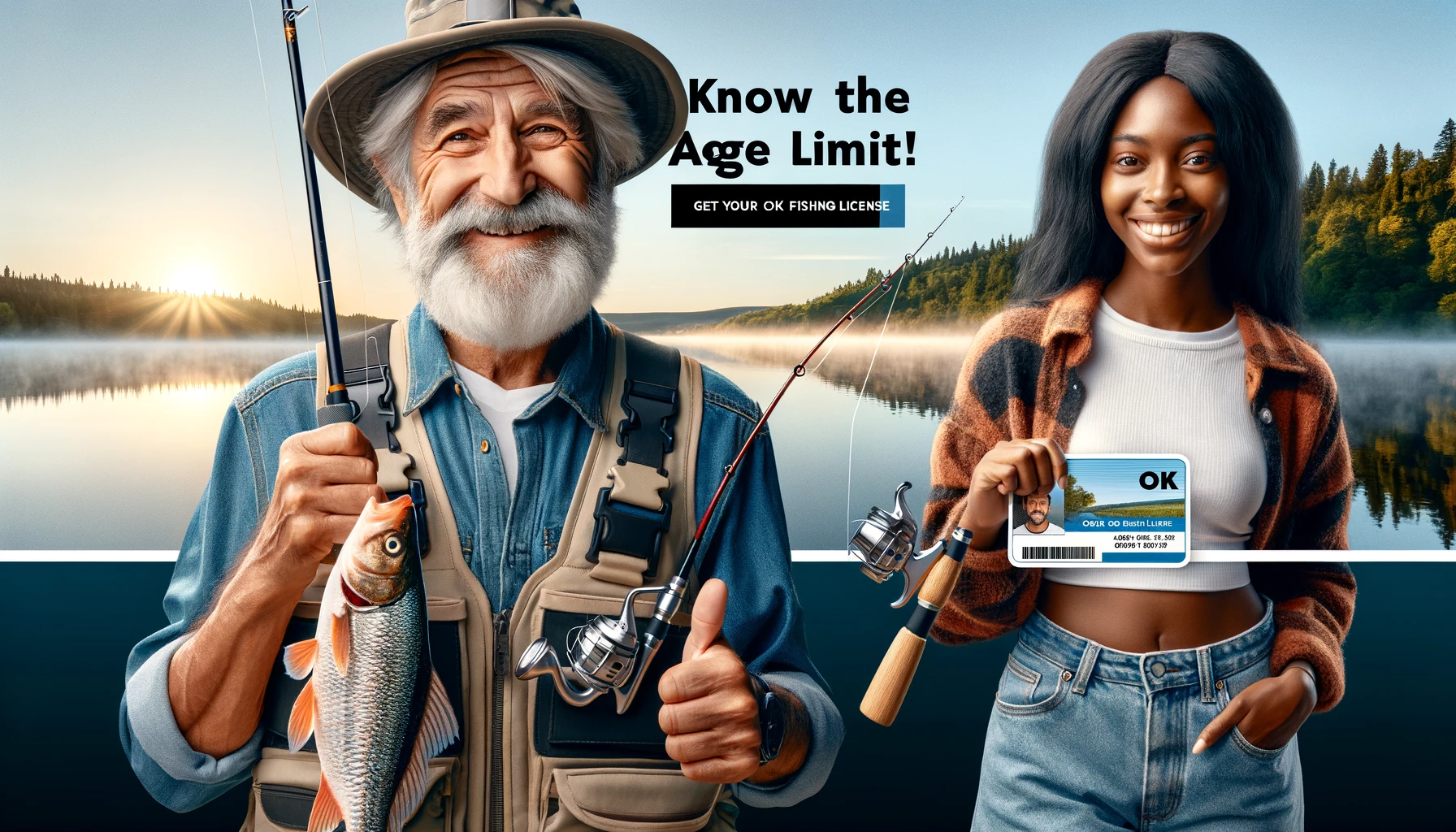
Are you eager to cast your line into Oklahoma’s bountiful waters? Before you grab your rod and reel, it’s crucial to understand the ins and outs of fishing licenses in the Sooner State. As of 2024, Oklahoma has updated its fishing license regulations, including important changes to age limits and fees. Whether you’re a lifelong angler or a newcomer to the sport, this guide will ensure you’re fully prepared to enjoy Oklahoma’s diverse fishing opportunities legally and responsibly.
Understanding Oklahoma Fishing License Requirements
Who Needs a Fishing License in Oklahoma?
In Oklahoma, most individuals aged 18 and older are required to possess a valid fishing license when fishing in public waters. This applies to both residents and non-residents of the state. However, there are some exceptions and special cases to be aware of:
- Residents under 18: As of July 1, 2024, Oklahoma residents under 18 years of age are exempt from fishing license requirements. This is an increase from the previous exemption age of 16, allowing more young people to experience fishing without the need for a license.
- Non-residents under 18: Non-resident youth under 18 are also exempt from fishing license requirements when accompanied by an adult who possesses a valid Oklahoma fishing license.
- Seniors: Oklahoma residents aged 65 and older can obtain a Senior Citizen Fishing License or a Senior Citizen Combination Hunting and Fishing License at a reduced cost.
- Disabled veterans: Oklahoma residents who are 100% disabled veterans or have a 60% or more service-connected disability may be eligible for free licenses.
- Landowners and tenants: Oklahoma residents or their spouses who own or lease land and are actually residing on such land may fish in waters on the land without a fishing license.
It’s important to note that these exemptions apply only to the fishing license itself. Special permits or stamps, such as the Oklahoma Paddlefish Permit or the Lake Texoma Permit, may still be required regardless of age or residency status.
Types of Oklahoma Fishing Licenses
Oklahoma offers a variety of fishing license options to suit different needs and durations of stay. Here are the main types of licenses available:
- Annual Fishing License: Valid for one year from the date of purchase. Available for both residents and non-residents.
- Combination Hunting and Fishing License: Allows for both hunting and fishing activities. Available for residents only.
- 5-Year Fishing License: A convenient option for residents who want long-term coverage.
- Lifetime Fishing License: Available to residents, this license provides lifetime fishing privileges in Oklahoma.
- 2-Day Fishing License: A short-term option ideal for weekend trips or short vacations. Available for both residents and non-residents.
- Lake Texoma License: A special license required for fishing in Lake Texoma, which straddles the Oklahoma-Texas border.
- Senior Citizen Fishing License: Available to Oklahoma residents aged 65 and older at a reduced cost.
Each of these licenses comes with specific privileges and restrictions, so it’s essential to choose the one that best fits your needs and circumstances.
How to Obtain Your Oklahoma Fishing License
Online Purchase
The most convenient way to obtain your Oklahoma fishing license is through the Oklahoma Department of Wildlife Conservation’s online licensing system. Here’s a step-by-step guide:
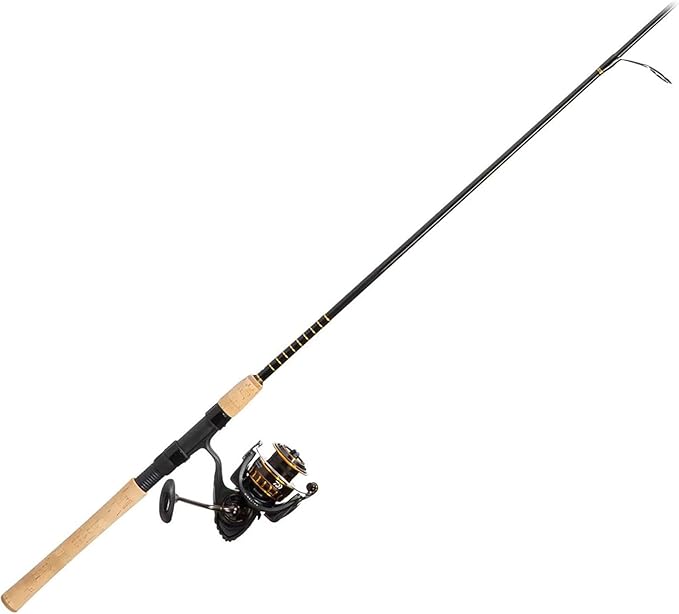
Daiwa BG Spinning Combo
- Visit the official Oklahoma Department of Wildlife Conservation website.
- Click on the "License" tab at the top of the page.
- Select "Buy a License" from the dropdown menu.
- Choose whether you're a resident or non-resident.
- Select the type of license you need.
- Fill out the required personal information.
- Pay for your license using a credit or debit card.
- Print your license or save it on your mobile device.
The online system is available 24/7, allowing you to purchase your license at any time that’s convenient for you. Remember to have your driver’s license or state ID handy, as you’ll need to provide this information during the purchase process.
In-Person Purchase
If you prefer to buy your license in person or need assistance with the process, Oklahoma offers numerous locations where you can purchase a fishing license:
- Authorized License Dealers: Many sporting goods stores, bait shops, and convenience stores across Oklahoma are authorized to sell fishing licenses. You can find a list of these dealers on the Oklahoma Department of Wildlife Conservation website.
- ODWC Offices: You can visit any of the Oklahoma Department of Wildlife Conservation field offices to purchase your license in person.
- State Parks: Many Oklahoma state parks with fishing opportunities offer license sales at their offices or visitor centers.
When purchasing in person, be sure to bring a valid form of identification and payment. Most locations accept cash, checks, and credit cards, but it’s always a good idea to check beforehand.
License Fees and Pricing
As of 2024, Oklahoma has updated its fishing license fees. Here’s a breakdown of the current costs:
- Resident Annual Fishing License: $30
- Non-Resident Annual Fishing License: $80
- Resident 5-Year Fishing License: $100
- Resident Lifetime Fishing License: $275
- 2-Day Fishing License (Resident or Non-Resident): $20
- Lake Texoma License: $12
- Senior Citizen Annual Fishing License: $15
Please note that these prices are subject to change, and additional fees may apply for special permits or stamps. Always check the official Oklahoma Department of Wildlife Conservation website for the most up-to-date pricing information.
Fishing Regulations and Conservation Efforts
Catch Limits and Size Restrictions
Oklahoma imposes catch limits and size restrictions on various fish species to ensure sustainable populations and fair fishing practices. These regulations can vary by species and body of water, so it’s crucial to familiarize yourself with the specific rules for your fishing location. Here are some general guidelines:
- Largemouth and Smallmouth Bass: In most waters, there's a daily limit of 5 bass in aggregate, with a minimum length of 14 inches.
- Striped Bass: The daily limit is typically 5 fish, with only 2 over 20 inches allowed.
- Catfish: Channel and blue catfish often have a combined daily limit of 15 fish, with no more than 2 fish over 30 inches.
- Crappie: Many lakes have a daily limit of 37 crappie, with no size restrictions.
Remember that these are general guidelines, and specific water bodies may have different regulations. Always check the current Oklahoma Fishing Regulations Guide for the most accurate and up-to-date information.
Fishing Seasons and Special Regulations
While many fish species can be caught year-round in Oklahoma, some have specific seasons or special regulations:
- Paddlefish: The paddlefish snagging season typically runs from March 1 to April 30, with specific regulations and a special permit requirement.
- Trout: Trout fishing areas have designated seasons and special regulations, often including catch-and-release periods and artificial lure restrictions.
- Alligator Gar: Fishing for alligator gar is subject to special regulations, including a one-fish-per-day limit and mandatory reporting of harvested fish over 3 feet in length.
Always consult the current Oklahoma Fishing Regulations Guide for specific season dates and special regulations before planning your fishing trip.
Conservation Efforts and Habitat Preservation
The Oklahoma Department of Wildlife Conservation works tirelessly to maintain and improve the state’s fisheries. Your fishing license fees directly support these conservation efforts, including:
- Habitat Restoration: Projects to improve fish habitats in lakes, rivers, and streams across the state.
- Fish Stocking: Regular stocking of various fish species to maintain healthy populations and enhance fishing opportunities.
- Research and Monitoring: Ongoing studies to assess fish populations and develop effective management strategies.
- Education Programs: Initiatives to educate the public about responsible fishing practices and conservation.
By purchasing a fishing license and following regulations, you’re actively contributing to the preservation of Oklahoma’s aquatic ecosystems for future generations to enjoy.
Fishing Opportunities in Oklahoma
Popular Fishing Destinations
Oklahoma boasts a diverse array of fishing opportunities, from sprawling reservoirs to intimate streams. Here are some of the state’s most popular fishing destinations:
- Lake Texoma: Straddling the Oklahoma-Texas border, Lake Texoma is renowned for its excellent striped bass fishing. The lake also offers good opportunities for catfish, largemouth bass, and crappie.
- Grand Lake O' the Cherokees: This northeastern Oklahoma lake is a favorite for bass fishing, particularly largemouth and white bass. It also offers good crappie and catfish angling.
- Lake Eufaula: Known as the "Gentle Giant," Lake Eufaula is Oklahoma's largest lake and offers excellent fishing for crappie, catfish, and bass.
- Lower Mountain Fork River: This year-round trout fishery in southeastern Oklahoma is popular among fly fishing enthusiasts.
- Lake Tenkiller: Often called "Oklahoma's clear water paradise," Lake Tenkiller is known for its excellent bass and crappie fishing.
- Broken Bow Lake: This scenic lake in southeastern Oklahoma offers excellent fishing for largemouth bass, smallmouth bass, and walleye.
- Illinois River: A popular destination for smallmouth bass fishing and float trips, the Illinois River also offers seasonal trout fishing opportunities.
Each of these destinations has its own unique characteristics and fishing opportunities, so be sure to research the specific regulations and best fishing practices for each location before your visit.
Seasonal Fishing Opportunities
Oklahoma’s diverse climate and varied water bodies provide excellent fishing opportunities throughout the year. Here’s a seasonal breakdown of what you can expect:
- Spring (March-May): This is prime time for bass fishing as the fish move into shallow waters to spawn. Crappie fishing also peaks in the spring, particularly in April and May.
- Summer (June-August): Catfish become more active in the warmer months, making summer an excellent time for catfish angling. Bass fishing remains good, especially in the early morning and late evening.
- Fall (September-November): As waters cool, many fish species become more active. This is an excellent time for bass fishing, and striped bass fishing often peaks in the fall.
- Winter (December-February): While fishing slows down in many areas, winter can be an excellent time for trout fishing in designated areas. Ice fishing is also possible in some northern parts of the state during particularly cold winters.
Remember that these are general trends, and specific fishing conditions can vary based on weather patterns and local factors. Always check local fishing reports and consult with local bait shops or fishing guides for the most up-to-date information.
Tips for Responsible Fishing in Oklahoma
Practice Catch and Release
Catch and release is an important conservation practice that helps maintain healthy fish populations. Here are some tips for successful catch and release:
- Use appropriate tackle to minimize fight time and reduce stress on the fish.
- Wet your hands before handling fish to protect their slime coat.
- Use barbless hooks or crimp down the barbs on your hooks for easier removal.
- Keep the fish in the water as much as possible during handling and release.
- If you need to lift the fish out of the water, support its body horizontally and don't hold it by the gills or eyes.
- Use needle-nose pliers or a dehooking tool to quickly remove the hook.
- Revive the fish by gently moving it back and forth in the water to help oxygenate its gills before release.
Remember, even if you plan to keep some fish for consumption, practicing catch and release with others helps ensure sustainable fishing for years to come.
Follow Leave No Trace Principles
Responsible fishing goes beyond just handling fish properly. It’s also about respecting the environment and leaving fishing spots in better condition than you found them. Follow these Leave No Trace principles:
- Plan Ahead and Prepare: Know the regulations and special concerns for the area you'll visit.
- Travel and Camp on Durable Surfaces: Stick to established trails and campsites.
- Dispose of Waste Properly: Pack out all trash, leftover food, and litter.
- Leave What You Find: Preserve the past: examine, but do not touch cultural or historic structures and artifacts.
- Minimize Campfire Impacts: Use established fire rings, keep fires small, and burn all wood and coals to ash.
- Respect Wildlife: Observe wildlife from a distance. Do not feed animals.
- Be Considerate of Other Visitors: Respect other visitors and protect the quality of their experience.
By following these principles, you help preserve Oklahoma’s natural beauty and ensure that future generations can enjoy the same fishing experiences.
Properly Dispose of Fishing Line and Tackle
Discarded fishing line and tackle can be harmful to wildlife and the environment. Follow these guidelines for proper disposal:
- Never leave fishing line behind: Collect any line you see, even if it's not yours.
- Cut line into small pieces: Before disposing of old line, cut it into pieces 6 inches or shorter to prevent wildlife entanglement.
- Use designated recycling containers: Many fishing areas have specific containers for recycling fishing line.
- Pack out hooks and lures: Don't leave old hooks or lures behind. Dispose of them properly in trash containers.
- Be mindful of lead: Consider using non-lead alternatives for sinkers and jigs to reduce environmental impact.
By properly disposing of fishing line and tackle, you help protect wildlife and keep fishing areas clean and safe for everyone.
Frequently Asked Questions
Q: Do I need a fishing license if I’m just helping someone else fish?
A: Yes, in most cases. If you’re actively assisting in the fishing process, such as baiting hooks, netting fish, or handling fishing equipment, you need a valid fishing license. The only exceptions are for those who qualify for license exemptions based on age or other criteria.
Q: Can I use my Oklahoma fishing license in other states?
A: No, your Oklahoma fishing license is only valid within the state of Oklahoma. Each state has its own licensing requirements. However, there are some reciprocal agreements for certain border waters, such as Lake Texoma on the Oklahoma-Texas border.
Q: What happens if I’m caught fishing without a license?
A: Fishing without a valid license is a violation of Oklahoma law and can result in fines and penalties. As of 2024, fines for fishing without a license in Oklahoma typically range from $100 to $250, plus court costs. Repeat offenses can lead to higher fines and potential revocation of fishing privileges.
Q: Can I fish on private property without a license?
A: If you’re fishing on your own property or on private property where you reside (such as a farm where you’re a tenant), you don’t need a license. However, if you’re fishing on someone else’s private property, even with their permission, you still need a valid Oklahoma fishing license unless you qualify for an exemption.
Q: How do I prove I have a valid license if I purchased it online?
A: After purchasing your license online, you can print a paper copy or save a digital version on your mobile device. Both are acceptable forms of proof. It’s a good idea to have your license easily accessible while fishing, as conservation officers may ask to see it.