
Understanding Fishing License Requirements in Kansas
Who Needs a Fishing License?
In Kansas, fishing licenses are a legal requirement for most individuals aged 16 to 74, ensuring that all anglers contribute to the conservation and management of the state’s aquatic resources. Here are the key points regarding who needs a license:
- Residents: To qualify as a resident, individuals must have lived in Kansas for at least 60 days prior to purchasing a fishing license. This residency requirement helps ensure that those who benefit from Kansas's fishing resources are also invested in their preservation.
- Non-Residents: All non-residents aged 16 and older are required to obtain a valid non-resident fishing license. However, there is an exception for those fishing on private ponds, where a license is not necessary. This distinction allows for more flexible fishing opportunities while still promoting responsible fishing practices.
- Exemptions: Certain groups are exempt from needing a fishing license, recognizing their unique circumstances:
- Individuals under 16 years of age: Young anglers can enjoy fishing without the burden of licensing, encouraging early engagement with the sport.
- Residents aged 75 and older: Senior citizens are not required to obtain a fishing license, promoting accessibility for older adults who wish to fish.
- Landowners and their immediate family: Those who own land in Kansas can fish on their property without a license, fostering a connection between land stewardship and fishing.
- Active duty military personnel and certain disabled veterans: This exemption acknowledges the service of military personnel and provides them with the opportunity to enjoy fishing without additional costs.
Types of Fishing Licenses Available
Kansas offers a variety of fishing licenses tailored to meet the diverse needs of its anglers. Understanding the different types available can help you choose the best option for your fishing activities:
- Annual Fishing License:
- Resident: $27.50 – This license is ideal for local anglers who fish regularly throughout the year.
- Non-Resident: $77.50 – Designed for those visiting Kansas, this license allows for unlimited fishing opportunities within the state.
- Youth (16-20): $42.50 – This discounted license encourages young adults to engage in fishing while providing them with the necessary legal framework.
- Senior (65-74): $15.00 – A reduced-cost license that supports senior anglers in their pursuit of fishing.
- One-Day Fishing License:
- Resident: $6.00 – Perfect for those looking to enjoy a day of fishing without a long-term commitment.
- Non-Resident: $12.50 – A convenient option for visitors who want to experience Kansas fishing for a short period.
- Five-Day Fishing License:
- Non-Resident: $27.50 – This license is an excellent choice for tourists or non-residents planning a brief fishing trip.
- Lifetime Fishing License:
- Available for residents, prices vary based on age and other factors. This license provides lifelong access to Kansas's fishing resources, making it a worthwhile investment for dedicated anglers.
- Trout Permit:
- Resident: $14.50 – Required for residents who wish to fish for trout, ensuring that they adhere to specific regulations for this popular species.
- Non-Resident: $14.50 – Non-residents must also obtain this permit if they plan to fish for trout in Kansas waters.
- Youth: $7.00 – A discounted permit for young anglers, promoting responsible fishing practices among the next generation.
- Specialty Licenses:
- Kansas also offers specialty licenses, such as the hand fishing permit and three-rod exemption, catering to specific fishing methods and preferences. These licenses allow anglers to explore different fishing techniques while adhering to state regulations.
By understanding the requirements and options available for fishing licenses in Kansas, anglers can ensure they are well-prepared for their fishing adventures while contributing to the conservation of the state’s natural resources. For more information on fishing licenses and regulations, visit the Kansas Department of Wildlife, Parks, and Tourism (KDWPT) website.
How to Get Your Fishing License
Step 1: Determine the Type of License You Need
Before applying, carefully assess your fishing habits and choose the license that best fits your specific needs. Consider factors such as:
- How often do you plan to fish in Kansas? If you're an avid angler who fishes regularly, an annual license may be the most cost-effective option. However, if you only fish occasionally, a one-day or five-day license could be more suitable.
- Are you a resident or non-resident? Residents and non-residents have different license requirements and costs. Be sure to select the appropriate license type based on your residency status.
- Do you qualify for any discounts or special permits? Kansas offers reduced-cost licenses for youth (16-20), seniors (65-74), and disabled veterans with at least a 30% disability. If you fall into one of these categories, be sure to inquire about the available discounts and provide the necessary proof of eligibility when applying.
Step 2: Gather Required Documents
To apply for your Kansas fishing license, you will need to have the following documents and information readily available:
- Proof of residency (for residents): This may include a valid driver's license, state-issued ID, or utility bill with your name and Kansas address.
- Valid identification: A government-issued photo ID, such as a driver's license or passport, is required for all applicants.
- Payment method: You will need a credit or debit card to complete your online or phone-based license purchase. If applying in person, you may also have the option to pay with cash.
Having these documents and information at hand will streamline the application process and ensure a smooth and efficient experience, whether you choose to apply online, in person, or over the phone.
Step 3: Apply for Your License
Kansas offers several convenient methods for obtaining your fishing license:
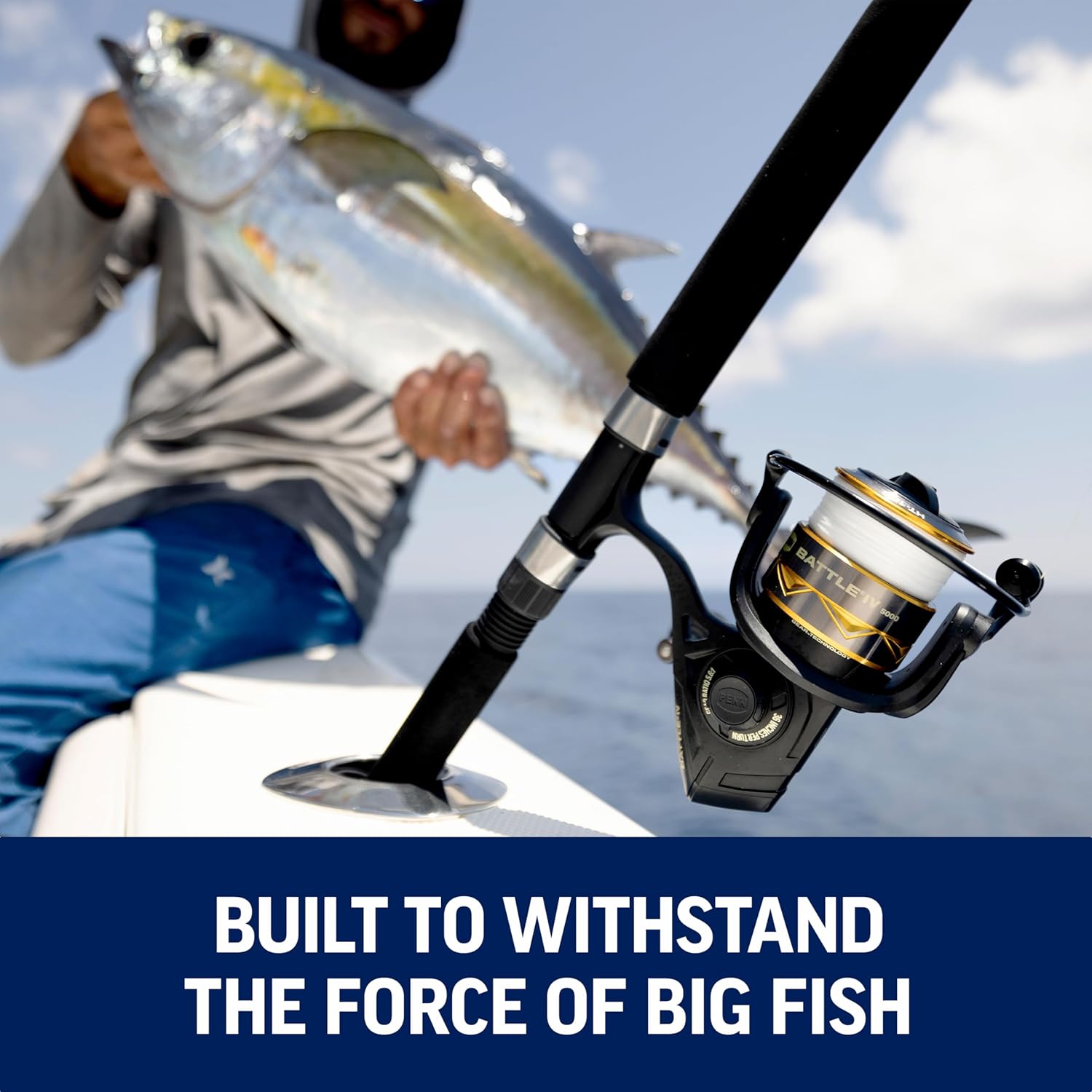
Penn Battle III Surf Spinning Combo
Online
Visit the Kansas Department of Wildlife, Parks, and Tourism (KDWPT) website to purchase your license anytime, day or night. This option is particularly convenient for those with busy schedules or who prefer the flexibility of applying from the comfort of their own homes.
In-Person
If you prefer face-to-face interaction or have questions about the application process, you can visit local retailers, bait shops, or KDWPT offices to purchase your license in person. This option allows you to get immediate assistance from knowledgeable staff and ensures you have the proper documentation before heading out to fish.
By Phone
For those who prefer a more traditional approach, you can call the KDWPT customer service number to apply for your fishing license over the phone. This method is ideal for anglers who have questions or need guidance during the application process.
Regardless of the method you choose, applying for your Kansas fishing license is a straightforward process that takes just a few minutes to complete. By selecting the option that best suits your preferences and needs, you can quickly obtain the necessary documentation and start planning your next fishing adventure.
Step 4: Keep Your License Accessible
Once you have successfully obtained your Kansas fishing license, it’s important to keep it accessible at all times while engaging in fishing activities. This ensures that you can provide proof of your license if requested by a wildlife officer or other authorized personnel.
There are two main ways to keep your license accessible:
- Carry a physical copy: Keep your license in a secure location, such as a wallet or tackle box, so that you can easily produce it when needed.
- Use a digital version: Many states now offer the option to store your fishing license on your smartphone or other mobile device. This allows you to quickly access your license information without the need to carry a physical copy.
By keeping your license accessible, you can enjoy peace of mind knowing that you are in full compliance with Kansas fishing regulations and can focus on the joys of the sport without worrying about potential fines or penalties.
Costs of Fishing Licenses in Kansas
Understanding the costs associated with fishing licenses is crucial for budgeting your fishing trips. Here’s a quick overview of the fees:
| License Type | Resident Cost | Non-Resident Cost |
|---|---|---|
| Annual Fishing License | $27.50 | $77.50 |
| One-Day Fishing License | $6.00 | $12.50 |
| Five-Day Fishing License | N/A | $27.50 |
| Trout Permit | $14.50 | $14.50 |
| Youth License (16-20) | $42.50 | N/A |
| Senior License (65-74) | $15.00 | N/A |
Benefits of Having a Fishing License
Conservation Support
Purchasing a fishing license isn’t merely a legal obligation; it represents a crucial investment in the health and sustainability of Kansas’s aquatic ecosystems. Every license sold directly contributes to vital conservation efforts that ensure the long-term viability of our natural resources. Here’s how those funds make a significant difference:
- Habitat Restoration: The fees collected from fishing licenses are dedicated to essential programs that maintain and restore aquatic habitats. This includes initiatives such as planting native vegetation along shorelines, creating artificial reefs for fish shelter, and rehabilitating degraded riverbanks. These efforts are fundamental for nurturing diverse fish populations and other wildlife. Such initiatives not only help stabilize ecosystems but also preserve the natural beauty of Kansas’s landscapes for everyone to enjoy.
- Fish Stocking Programs: Another critical area funded by fishing licenses is the stocking of fish in public waters. The Kansas Department of Wildlife, Parks, and Tourism (KDWPT) conducts regular assessments of fish populations and actively stocks lakes and rivers with various species to ensure healthy and balanced ecosystems. This practice not only promotes stronger fish populations but also enhances anglers' experiences by providing more opportunities for successful catches. For instance, in 2023, KDWPT reported stocking over 1 million fish across various water bodies, significantly improving local fishing conditions.
- Public Access: The revenue generated from fishing licenses is vital for establishing and maintaining public fishing areas and boat ramps. Enhanced access to well-developed fishing spots benefits anglers of all skill levels and fosters a strong community of responsible fishers. Additionally, greater public access aids in promoting sustainable fishing practices and stewardship of natural resources, encouraging a culture of conservation among local communities. By investing in infrastructure, Kansas ensures that everyone can enjoy the state's rich fishing heritage.
Legal Compliance
Fishing without a valid license can lead to significant fines and penalties, which can be both costly and inconvenient for the angler. By holding a fishing license, you ensure that you are operating within the law, contributing not only to your own protection but also to the preservation of Kansas’s natural resources. Furthermore, licensed anglers tend to adhere more closely to regulations designed to protect fish populations and their habitats, demonstrating a community commitment to sustainable fishing practices.
For example, the Kansas Department of Wildlife, Parks, and Tourism reported that licensed anglers are less likely to engage in practices that harm fish populations, such as overfishing or using illegal gear. This adherence to regulations not only protects individual anglers but also supports efforts to maintain the rich biodiversity that makes Kansas a premier destination for fishing.
Ultimately, obtaining a fishing license is about more than compliance; it’s about actively participating in the preservation of Kansas’s aquatic environments for future generations to enjoy and cherish. This commitment to conservation is what helps keep Kansas’s lakes and rivers thriving, ensuring that the pursuit of fishing remains a rewarding experience for all. By investing in a fishing license, you become a steward of the environment, contributing to the sustainability of the resources that provide enjoyment for countless anglers.
What Happens If I Lose My Fishing License?
If you lose your fishing license, you can easily replace it online through the KDWPT website. Ensure you have your identification and any relevant information handy for verification.
Can I Fish Without a License on Certain Days?
Kansas designates specific days each year when residents can fish without a license. Check the KDWPT website for details on these free fishing days.
Are There Discounts for Seniors or Disabled Veterans?
Yes, Kansas offers reduced-cost licenses for seniors aged 65-74 and free licenses for disabled veterans with at least a 30% disability. Proof of eligibility is required.