
Types of Kansas Fishing Licenses
Kansas offers a variety of fishing licenses to cater to different needs and preferences. Here are the main types:
Annual Fishing Licenses
- Resident Annual Fishing License: $27.50 - Valid for 365 days from the date of purchase for Kansas residents who have lived in the state for at least 60 consecutive days.
- Nonresident Annual Fishing License: $77.50 - For those who don't meet the residency requirements.
- Resident Senior Annual Fishing License: $15 - For Kansas residents aged 65-74.
- Resident Youth Annual Fishing License: $42.50 - For Kansas residents aged 16-20.
One-Day Fishing Licenses
- Resident One-Day Fishing License: $6 - Allows Kansas residents to fish for one day.
- Nonresident One-Day Fishing License: $12.50 - For non-residents looking to fish for a single day.
Five-Day Fishing Licenses
- Nonresident Five-Day Fishing License: $27.50 - Provides non-residents with five consecutive days of fishing privileges.
Five-Year Licenses
- Resident Five-Year Fishing License: $102.50 - Allows Kansas residents to fish for five years from the date of purchase.
- Resident Five-Year Hunting/Fishing Combo License: $182.50 - Combines fishing and hunting privileges for Kansas residents over a five-year period.
Other Permits and Stamps
- Three-Pole Permit: $8.50 - Allows anglers to use up to three poles while fishing.
- Trout Permit: $14.50 - Required for fishing in designated trout waters from December 1 to March 31.
- Hand Fishing Permit: $27.50 - Allows for hand fishing (noodling) for catfish in designated waters.
Who Needs a Kansas Fishing License?
In Kansas, the following individuals are required to have a valid fishing license:
- Residents aged 16-74 who have lived in the state for at least 60 consecutive days.
- Non-residents aged 16 and older.
Some exceptions apply, such as:
- Children under 16 years old.
- Kansas residents aged 75 and older.
- Anglers fishing on licensed private ponds.
Where to Purchase a Kansas Fishing License
You can obtain your Kansas fishing license through several convenient methods:
In-Person
Visit one of the many authorized license vendors throughout the state, such as local retailers, bait shops, or KDWPT offices. This allows you to interact with knowledgeable staff and get your license on the spot.
By Phone
Call the KDWPT at 1-833-587-2164 and let a friendly representative guide you through the process of obtaining your license over the phone.
Replacing a Lost License
Misplacing your fishing license can be a frustrating experience, but there’s no need to panic. The Kansas Department of Wildlife, Parks and Tourism (KDWPT) has streamlined the process for replacing lost licenses, making it quick and convenient for anglers.
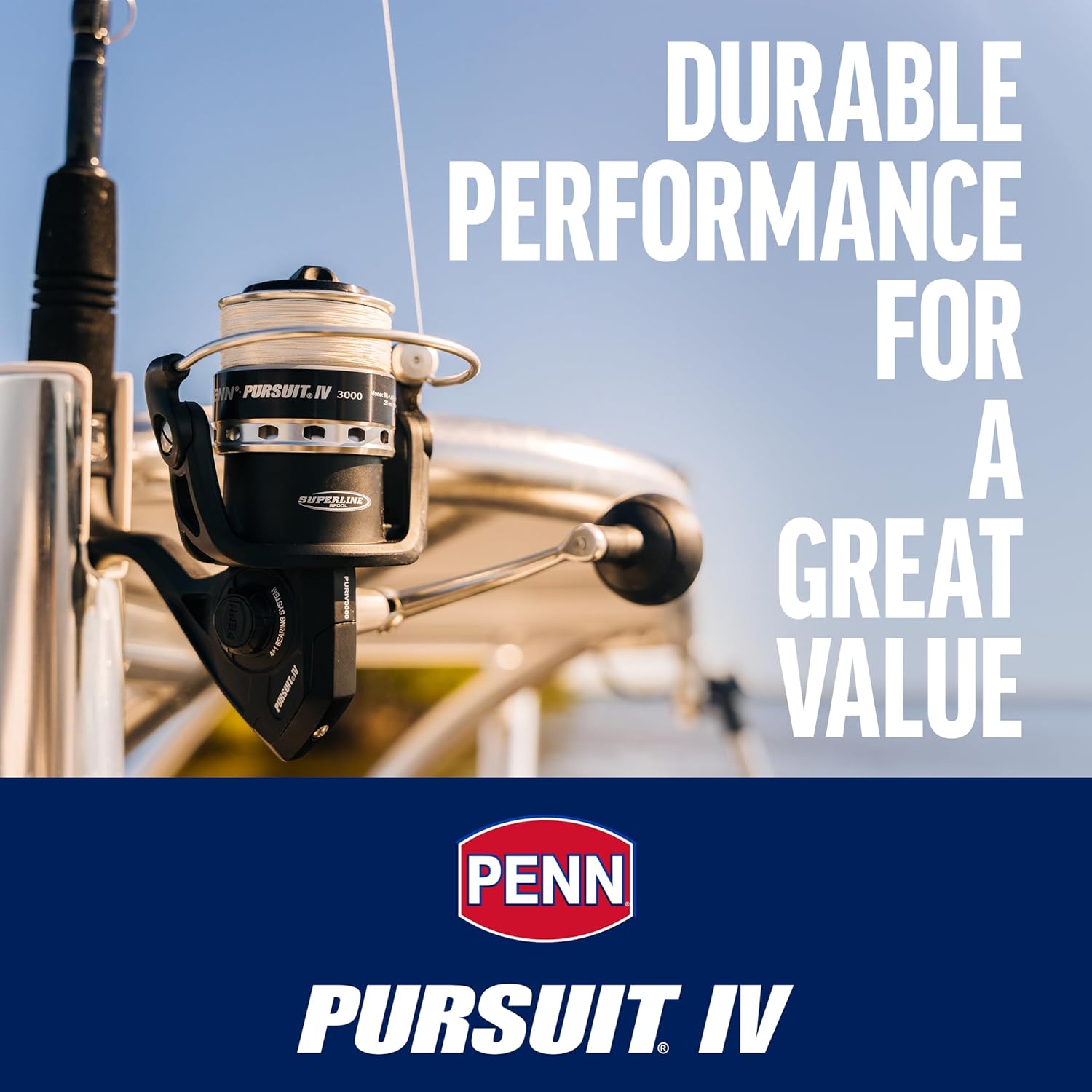
Penn Pursuit IV Spinning Combo
Step-by-Step Replacement Process
- Log In to Your Account: Start by visiting the KDWPT website and logging into your account. If you don’t have an account yet, you can create one easily by providing some basic information.
- Request a Replacement: Once logged in, navigate to the section for license management. Here, you will find an option to request a replacement for your lost fishing license. Fill out the necessary details, including your personal information and any identification numbers associated with your original license.
- Receive Your New License: After submitting your request, a new license will be issued to you. Depending on the method you choose, you may receive a digital copy via email that you can print out immediately, or a physical license will be mailed to your registered address.
Important Considerations
- Fees: Be aware that there may be a small fee associated with replacing your lost license. This fee helps cover administrative costs and ensures that the KDWPT can continue to provide efficient services.
- Keep Records: It’s advisable to keep a record of your license number and any confirmation emails from the KDWPT. This information can expedite the replacement process in the future and serve as proof of your fishing privileges until your new license arrives.
- Digital Access: If you frequently fish, consider using the KDWPT's mobile app, which allows you to store your fishing license digitally. This way, you can quickly access it from your smartphone, reducing the risk of losing a physical copy.
Fishing License Compliance
Understanding and adhering to fishing license compliance is crucial for every angler. Not only does it keep you within the law, but it also supports sustainable fishing practices that benefit the ecosystem and future generations of fishers.
Why Compliance Matters
Fishing without a valid license can lead to significant penalties, including fines and even confiscation of your fishing gear. In Kansas, the fines for fishing without a license can range from $100 to $500, depending on the circumstances and whether it’s a repeat offense. Moreover, being caught without a license can lead to a tarnished reputation within the fishing community, which values ethical practices and respect for regulations.
Best Practices for Compliance
- Always Carry Your License: Make it a habit to keep your fishing license on you at all times while fishing. Whether you’re on a boat, at the shore, or wading in a river, having your license readily available is essential. Law enforcement officers may conduct random checks, and being able to present your license promptly can save you from potential fines.
- Stay Informed About Regulations: Fishing regulations can change, so it’s important to stay updated on the latest rules regarding fishing seasons, limits, and specific regulations for different bodies of water. The KDWPT website provides current information and updates, which can help you remain compliant.
- Educate Others: If you fish with family or friends, especially younger or novice anglers, take the time to educate them about the importance of having a fishing license and adhering to regulations. Sharing your knowledge not only fosters a sense of responsibility but also strengthens the fishing community.
Supporting Evidence
Statistics show that compliance with fishing regulations contributes significantly to the sustainability of fish populations. According to the American Sportfishing Association, regulated fishing practices help maintain healthy ecosystems, ensuring that fish populations remain robust for future anglers. In Kansas, the revenue generated from fishing licenses directly supports conservation efforts, habitat restoration, and fish stocking programs, reinforcing the importance of compliance.