

The Golden Rule: Public Piers and Fishing Licenses
Here’s the catch of the day, fellow anglers: when fishing from Santa Monica Pier, you do not need a California fishing license. This exemption is part of a broader rule that applies to all public piers in the Golden State.
According to the California Department of Fish and Wildlife, fishing from a “public pier” in ocean or bay waters does not require a fishing license. Santa Monica Pier falls squarely within this definition, offering a rare opportunity to wet your line without the need for additional paperwork.
- Is connected to the mainland or to the shoreline of an island
- Allows free, unrestricted public access
- Was built or currently functions primarily for fishing
The History Behind the Public Pier Exemption
The public pier fishing license exemption has an interesting history rooted in California’s commitment to accessible recreation. This policy, which has been in place for decades, was designed to encourage fishing as a pastime and to provide opportunities for those who might not otherwise be able to afford a fishing license.
In the early 20th century, as California’s population boomed and concerns about overfishing grew, the state introduced fishing licenses. However, recognizing the cultural and economic importance of pier fishing, especially in coastal communities, lawmakers carved out the public pier exemption.
This decision has had a lasting impact on California’s fishing culture. It’s estimated that public piers account for a significant portion of recreational fishing activity in the state, with the California Department of Fish and Wildlife reporting that in 2023, approximately 15% of all saltwater fishing trips in the state occurred from public piers.
The Catch: Other Regulations Still Apply
While the absence of a license requirement might seem like you’ve landed the big one, don’t get too comfortable in your fishing chair just yet. All other fishing regulations still apply when angling from Santa Monica Pier. This includes:
- Size limits
- Bag limits
- Seasonal restrictions
- Species-specific rules
It’s crucial to stay updated on these regulations, as they can change from year to year based on fish population assessments and conservation needs. The California Department of Fish and Wildlife’s Ocean Sport Fishing regulations website is an excellent resource for the most up-to-date information.
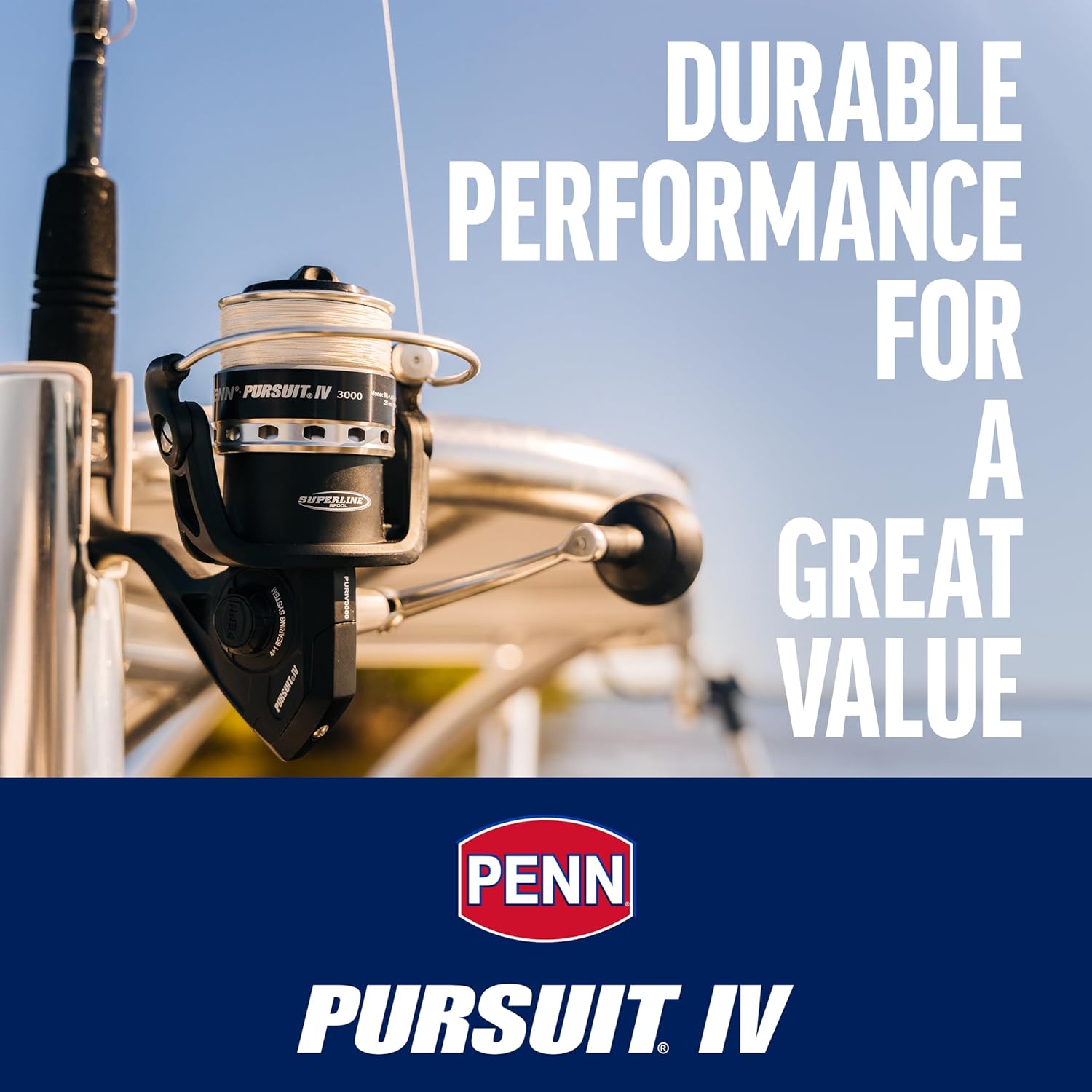
Penn Pursuit IV Spinning Combo
Gear Restrictions on Public Piers
Even on license-free public piers like Santa Monica, there are still some gear restrictions to keep in mind:
- You're limited to two rods and lines per person
- Only two hand lines are allowed
- You can use up to two nets or traps for catching crabs
These rules ensure fair access for all anglers and help prevent overfishing in these popular spots. It’s worth noting that these restrictions are generally more lenient than those applied to boat or shore fishing, where anglers are often limited to one rod and line per person.
Beyond the Pier: When You Do Need a License
While Santa Monica Pier offers a license-free fishing experience, it’s crucial to understand when you do need a California fishing license. If you decide to venture beyond the pier’s boundaries – say, to try your luck from the beach or a boat – you’ll need to be properly licensed.
California Fishing License Requirements
For fishing in California waters outside of public piers:
- Residents and non-residents aged 16 and older must have a valid fishing license
- An annual resident sport fishing license costs $52.66 (as of 2024)
- Non-residents can expect to pay $142.05 for an annual license
- Short-term licenses are available for 1-day, 2-day, or 10-day periods
Remember, these fees are subject to change, so always check the official CDFW website for the most up-to-date information.
The Rise of Digital Licenses
In recent years, California has embraced technology to make fishing licenses more accessible. As of 2024, anglers can purchase and display their licenses digitally through the CDFW’s mobile app. This convenient option allows you to buy a license and start fishing immediately, without the need to visit a physical location or wait for a license to arrive in the mail.
The Cost of Non-Compliance: Fines and Penalties
While you might be off the hook for license requirements on Santa Monica Pier, fishing without a license where one is required can lead to some serious consequences. In California, fines for fishing without a license can range from $485 to $1,000, plus an additional $1,000 for each illegally caught fish. That’s enough to make any angler’s line go slack!
It’s important to note that game wardens regularly patrol popular fishing areas, including beaches and boats near public piers. In 2023, the California Department of Fish and Wildlife reported issuing over 5,000 citations for fishing without a license, resulting in more than $2 million in fines.
Fishing licenses generate revenue that supports:
- Habitat restoration projects
- Fish stocking programs
- Scientific research on fish populations
- Enforcement of fishing regulations
In 2023, California’s fishing license sales generated over $60 million in revenue, with a significant portion allocated to conservation efforts. These funds have supported projects such as the restoration of salmon habitats in Northern California rivers and the monitoring of kelp forest ecosystems along the coast.
By following regulations and practicing responsible angling, even in license-free areas like Santa Monica Pier, we contribute to the long-term health of our fisheries. This commitment to conservation ensures that future generations can enjoy the same fishing opportunities we have today.
Tips for a Successful Santa Monica Pier Fishing Trip
Now that you’re armed with knowledge about licensing (or lack thereof), here are some tips to make your Santa Monica Pier fishing experience a memorable one:
- Check the tide charts: Fish activity often peaks during tide changes. Apps like Tides Near Me or FishBrain can provide accurate, up-to-date tide information.
- Bring a variety of bait: Local favorites include mussels, sand crabs, and cut mackerel. Live bait can be particularly effective for larger species like halibut and white seabass.
- Target species by season: Spring and summer are great for halibut, while fall and winter can bring good catches of white seabass. Here's a quick seasonal guide:
- Spring: Halibut, Calico Bass, Mackerel
- Summer: Yellowtail, Barracuda, Bonito
- Fall: White Seabass, Rockfish, Lingcod
- Winter: Perch, Croaker, Sculpin
- Practice proper catch and release: If you're not keeping your catch, handle fish gently and release them quickly. Use barbless hooks to minimize damage, and keep fish in the water as much as possible during the release process.
- Respect other anglers and pier users: Santa Monica Pier is a popular spot for tourists and locals alike. Be mindful of your casting to avoid tangling lines with other anglers or endangering pedestrians.
- Stay informed about local conditions: Join local fishing forums or Facebook groups to get real-time reports from other anglers. Websites like Pier Fishing in California offer valuable insights specific to pier fishing in the state.
- Invest in quality gear: While you don't need top-of-the-line equipment, having a reliable rod, reel, and line can make a big difference in your fishing success and enjoyment.
The Future of Pier Fishing in California
As we look ahead to the future of pier fishing in California, several trends and initiatives are worth noting:
- Increased focus on sustainability: There's growing emphasis on sustainable fishing practices, with some piers implementing catch-and-release zones or promoting the use of circle hooks to reduce fish mortality.
- Technology integration: Some public piers are exploring the use of digital kiosks to provide real-time information on fishing conditions, regulations, and species identification.
- Community engagement: Many coastal communities are organizing pier fishing events and educational programs to introduce new generations to the sport and promote conservation awareness.
- Infrastructure improvements: There are ongoing efforts to renovate and maintain public piers, ensuring they remain safe and accessible for anglers. In fact, Santa Monica Pier itself underwent a major renovation in 2023, improving its structural integrity and adding new amenities for fishermen.
These developments suggest a bright future for pier fishing in California, with a continued commitment to accessibility, sustainability, and community engagement.