
Fishing in California is a beloved pastime that connects people to nature and provides a sense of community. However, before you can cast your line into the state’s beautiful waters, you need to obtain a fishing license. This guide will walk you through the process of getting your fishing license in California, covering everything from types of licenses and application procedures to important regulations and conservation efforts. By the end of this guide, you’ll be well-equipped to navigate the licensing system and enjoy your fishing adventures responsibly.
Understanding the Necessity and Process of Obtaining a Fishing License in California
Types of Fishing Licenses Available
Resident vs. Non-Resident Licenses
In California, anyone aged 16 or older is required to have a valid fishing license to fish in the state’s waters, whether they are residents or non-residents.
- Resident License: A resident is defined as someone who has lived in California for at least six months. The cost of an annual resident sport fishing license is approximately $61.82.
- Non-Resident License: Non-residents can also fish in California but must pay a higher fee, which is around $166.89 for an annual license.
This distinction is crucial as it affects the cost and availability of licenses based on your residency status.
Special Licenses for Seniors and Disabled Veterans
California offers reduced-fee licenses for specific groups:
- Seniors (65+): Residents over the age of 65 can receive a reduced-fee sport fishing license for approximately $9.53.
- Disabled Veterans: Honorably discharged veterans with a service-connected disability can also obtain a reduced-fee license, typically priced at around $9.53.
These initiatives aim to make fishing accessible for all Californians, regardless of age or disability status.
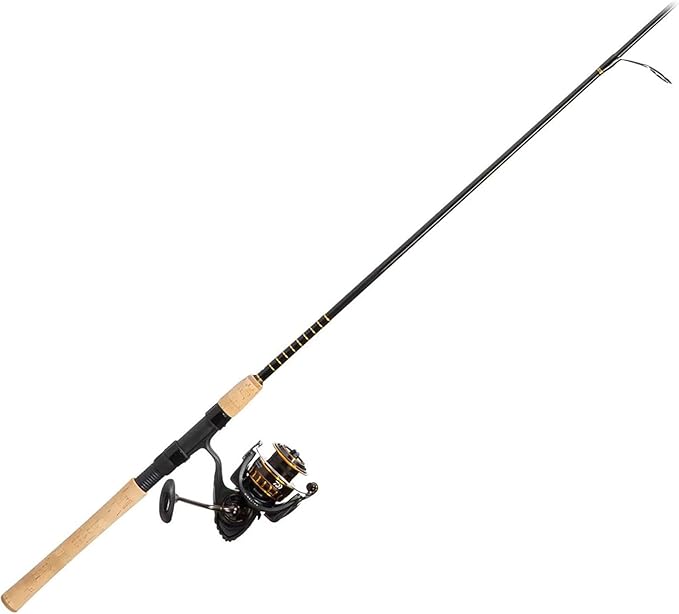
Daiwa BG Spinning Combo
Short-Term vs. Annual Licenses
For those who fish occasionally, California provides short-term licenses:
- One-Day License: $20.26 allows you to fish for one day.
- Two-Day License: $31.06 gives access for two consecutive days.
These options cater to tourists or casual anglers who may not need an annual commitment.
How to Apply for a Fishing License
Online Application Process
The easiest way to obtain your fishing license is through the California Department of Fish and Wildlife (CDFW) website:
- Visit the CDFW website to purchase your license.
- Select the type of license you wish to purchase.
- Fill out the required information, including personal details and residency status.
- Make your payment via credit card.
Once completed, you can print a temporary license immediately while waiting for your official tag to arrive by mail.
In-Person Purchase Locations
If you prefer purchasing your license in person, you can visit various locations:
- CDFW Offices: You can buy licenses directly from local CDFW offices during business hours.
- Authorized Retailers: Many sporting goods stores, bait shops, and even some grocery stores sell fishing licenses.
Make sure to bring identification that proves your age and residency when buying in person.
Required Documentation
When applying for your fishing license, be prepared with the following documents:
- Valid ID (Driver’s License or State ID)
- Proof of residency (if applicable)
For reduced-fee licenses, additional documentation proving eligibility may be required.
Costs Associated with Fishing Licenses
Breakdown of Fees
Understanding the costs associated with obtaining a fishing license is essential:
| License Type | Cost |
|---|---|
| Resident Annual Sport Fishing License | $61.82 |
| Nonresident Annual Sport Fishing License | $166.89 |
| One-Day Sport Fishing License | $20.26 |
| Two-Day Sport Fishing License | $31.06 |
| Reduced-Fee Sport Fishing License (Seniors/Disabled Veterans) | $9.53 |
These prices are subject to change, so always check the CDFW website for the most current information.
Reduced-Fee Options
California offers several reduced-fee options aimed at making fishing more accessible:
- Low-income seniors can apply for reduced fees based on their income status.
- Disabled veterans are also eligible for discounted rates on their licenses.
These programs reflect California’s commitment to promoting outdoor activities among its residents.
Regulations and Conservation Efforts
Bag Limits and Size Restrictions
California has specific regulations regarding catch limits designed to protect fish populations:
- Each species has designated bag limits that specify how many fish you can keep per day.
- Certain species may have size restrictions where only fish above or below specific lengths may be kept.
It’s crucial to familiarize yourself with these regulations before heading out on your fishing trip.
Special Permits and Report Cards
In addition to a standard fishing license, some activities require special permits or report cards:
- For example, if you're targeting sturgeon or salmon, you’ll need additional report cards that track your catch and help manage these populations sustainably.
Always check current regulations on the CDFW website before your trip to ensure compliance.
Future Changes to Fishing Licenses in California
Digital Fishing Licenses
California is moving towards modernization by offering digital fishing licenses:
- This option will allow anglers to display their licenses on mobile devices starting in 2024.
- The digital format aims to simplify compliance checks while reducing paper waste.
This change reflects broader trends toward digital solutions in various sectors, including outdoor recreation.
Extended Validity Periods
Another significant change is the introduction of a 365-day fishing license:
- This new option allows anglers to purchase a sport fishing license valid for one year from the date of purchase rather than just within the calendar year.
- This flexibility caters to frequent anglers who prefer not having to renew their licenses annually at fixed times.