
Fishing is a cherished pastime for many. Whether you’re casting a line in your local lake, wading in a river, or venturing out into the open sea, you’ll likely need a fishing license. But how much does a fishing license cost? The answer varies, with prices ranging from $9.50 to $124.65.
Factors Influencing the Cost of a Fishing License
Understanding the Variability in Fishing License Costs
The cost of a fishing license is influenced by several key factors, with the most significant being the state in which you intend to fish. Each state establishes its own regulations and pricing structures, which are tailored to address local aquatic conservation needs. For instance, states like California and Florida have different fee structures based on their unique ecosystems and fishing demands. In 2025, California’s resident sport fishing license costs approximately $62.90, while Florida’s annual freshwater fishing license is priced at $17.00 for residents.
The Role of Conservation in Determining Costs
When you purchase a fishing license, your fees contribute directly to the conservation and restoration of aquatic ecosystems. This funding is essential for maintaining fish populations and supporting local habitats. For example, in Pennsylvania, funds from fishing licenses support various programs aimed at enhancing fish habitats and ensuring sustainable fishing practices. As states assess their environmental needs, they may adjust license prices annually. A decrease in the number of active fishermen may prompt a state to raise fees to meet conservation funding requirements.
Additional Factors Affecting Fishing License Pricing
Several other factors also play a role in determining fishing license costs:
License Duration: The length of validity affects pricing as well. Options range from single-day permits to lifetime licenses, each priced based on anticipated usage and demand.
Residency Status: Non-residents typically pay higher fees compared to residents. For instance, non-resident annual licenses can cost significantly more due to the demand for access to popular fishing areas.
Age Discounts: Many states offer reduced fees for senior citizens and youth. In Massachusetts, for example, residents aged 65 and over pay only $18.25 for an annual fishing license.
How to Find Out the Cost of a Fishing License in Your State
To determine the cost of a fishing license in your state, visit the official U.S. Fish and Wildlife Service website. Here, you can select your state to access specific information regarding license fees and purchasing options. Most states offer various types of licenses, including annual, daily, and multi-day options, catering to both residents and non-residents. For example, in Massachusetts, resident fishing licenses cost $36.50 for adults, while minors aged 15-17 can fish for free. You can find detailed fee structures on state-specific pages like Mass.gov or California Fish and Wildlife for California.
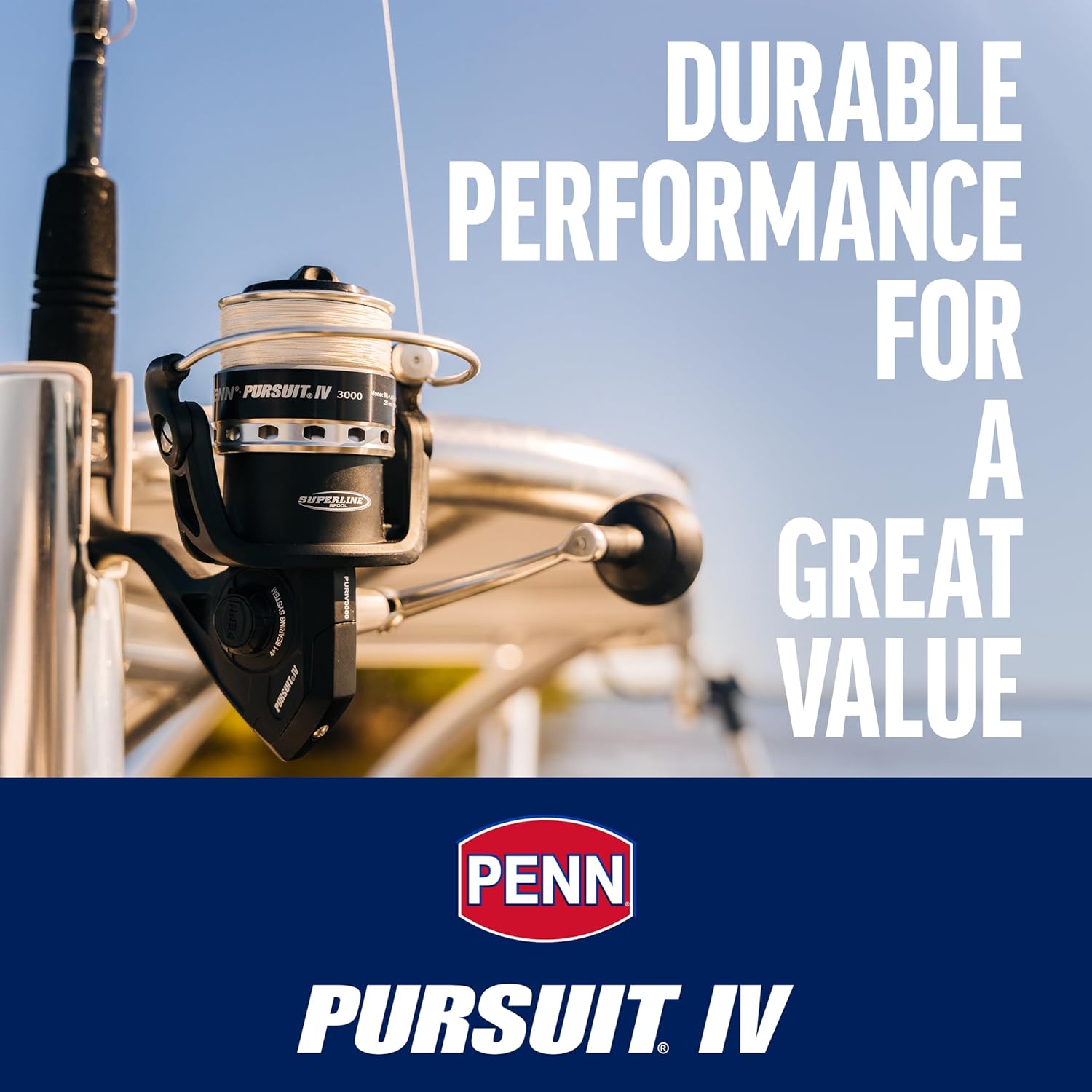
Penn Pursuit IV Spinning Combo
Understanding Fishing License Types
Fishing licenses vary significantly by state and can include different categories such as freshwater, saltwater, and combination licenses. Each category may have different pricing based on residency status and age. For instance, in Wisconsin, the annual resident fishing license costs $20, while a spousal license is available for $31. Always check your state’s wildlife agency website for the most accurate and updated information regarding license types and associated fees. You can find comprehensive details on the Wisconsin DNR site.
Purchasing Your Fishing License
Most states allow you to purchase fishing licenses online through their official wildlife agency websites. This process is typically straightforward: you will need to provide personal information such as your name, address, and date of birth. Additionally, some states offer discounts for seniors or low-income residents. For example, Colorado Parks and Wildlife provides reduced fees for seniors aged 65 and older. Visit CPW’s site for more details on purchasing options.
Seasonal Considerations
Fishing license requirements may change seasonally; thus, it’s essential to stay informed about the current regulations for 2024-2025. Many states release new regulations annually that may affect fishing seasons, bag limits, and licensing fees. For instance, Wisconsin’s regulations for the 2024-2025 season include updates on bag limits and new registration requirements for small tournaments. Always consult your state’s wildlife agency before heading out to fish to ensure compliance with the latest rules.
Importance of Fishing Licenses
Acquiring a fishing license is not just a legal requirement; it also plays a vital role in supporting conservation efforts across the country. The fees collected from fishing licenses help fund habitat restoration projects and wildlife management programs that ensure sustainable fishing practices. By purchasing a license, you contribute to preserving aquatic ecosystems for future generations to enjoy.