
The Importance of Fishing Licenses
Fishing licenses serve a crucial role in preserving and protecting Michigan’s aquatic ecosystems for generations to come. By purchasing a license, you’re not only complying with state regulations but also contributing to the conservation efforts that sustain the state’s rich fishing heritage. A portion of the license fees goes towards funding various initiatives, including habitat restoration, fish stocking programs, research, and the maintenance of public fishing access points.
Moreover, fishing licenses help regulate and manage fish populations, ensuring that anglers adhere to established catch limits and size restrictions. This responsible approach to fishing helps prevent overfishing and protects vulnerable species, ensuring a healthy and thriving aquatic environment for all to enjoy.
Navigating the Cost of a Michigan Out-of-State Fishing License
For non-residents eager to experience the unparalleled fishing opportunities in Michigan, obtaining the appropriate license is a crucial first step. According to the Michigan Department of Natural Resources (DNR), the cost of an annual out-of-state fishing license for the 2023 season is $76 .
While this fee may seem substantial, it’s important to remember that it grants you access to an abundance of fishing opportunities throughout the state. From the world-renowned salmon and trout fisheries of the Great Lakes to the diverse array of species found in Michigan’s inland waters, your license opens the door to a truly unforgettable angling experience.
In addition to the annual license, non-residents also have the option of purchasing a 24-hour fishing license for $10 . This short-term permit is ideal for those planning a brief fishing excursion or those who want to test the waters before committing to an annual license.
Purchasing Your Michigan Out-of-State Fishing License
The Michigan DNR has made the process of obtaining a fishing license convenient and accessible. Non-residents can purchase their licenses through the following channels:
- Online: Visit the Michigan DNR's online licensing system or download the Michigan DNR Hunt Fish app to purchase your license from the comfort of your home or on the go.
- In-Person: Licenses are available at various license agents throughout the state, such as bait shops, sporting goods stores, and DNR customer service centers .
When purchasing your license, you’ll need to provide personal information, such as your name, address, and date of birth, as well as a valid form of identification . It’s important to note that non-residents are also required to purchase a $1 Sportcard in addition to their fishing license .
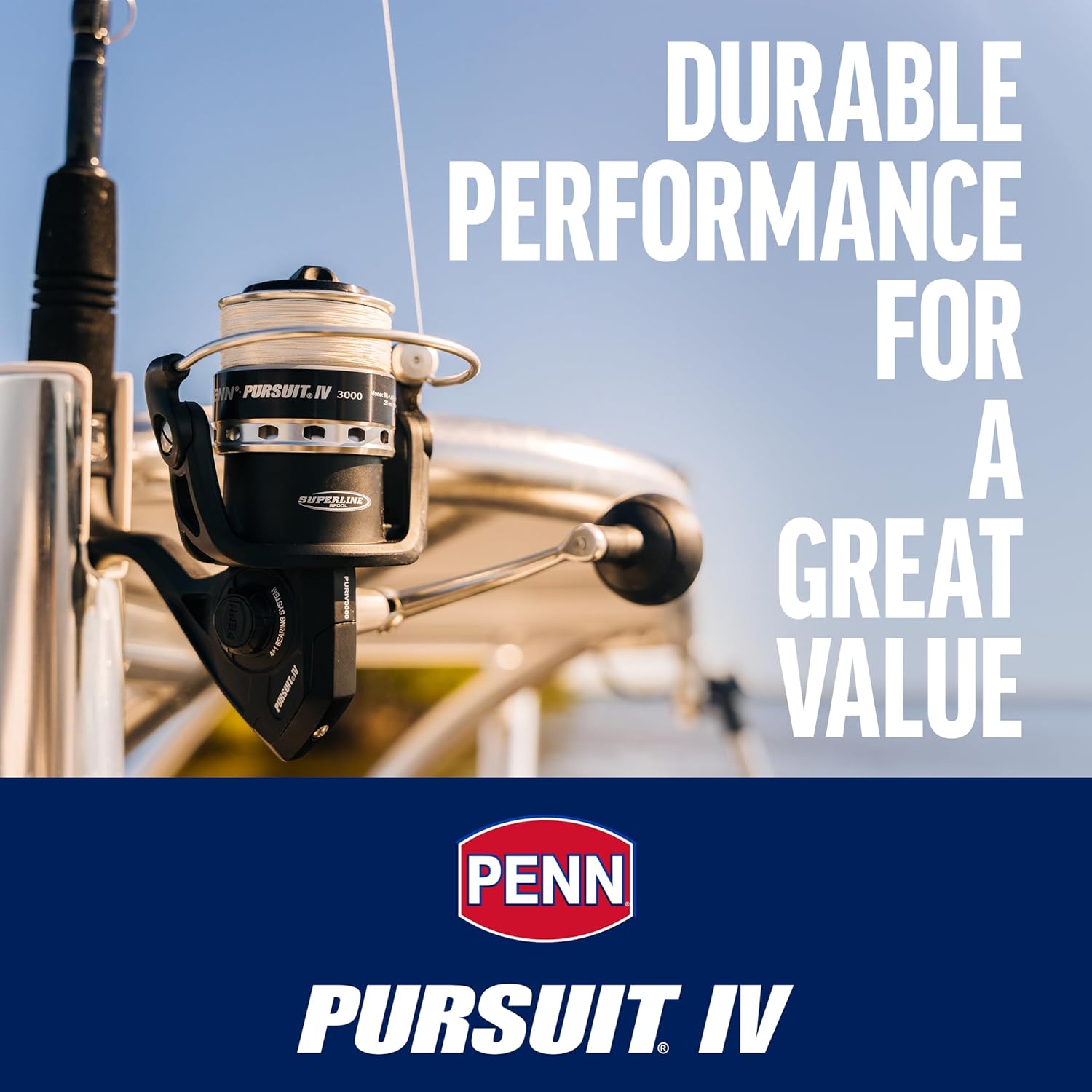
Penn Pursuit IV Spinning Combo
Responsible Fishing Practices
While your license grants you the privilege of fishing in Michigan’s waters, it’s essential to practice responsible angling techniques to ensure the sustainability of the state’s aquatic resources. Here are some guidelines to follow:
- Adhere to catch limits and size restrictions
- Practice catch-and-release techniques when appropriate
- Avoid littering and properly dispose of fishing line and other waste
- Respect closed seasons and protected areas
- Report any illegal fishing activities to the appropriate authorities
By following these guidelines, you’ll not only contribute to the preservation of Michigan’s natural treasures but also ensure that future generations can continue to enjoy the thrill of fishing in these waters.
The Impact of Fishing Licenses on Conservation Efforts
Your decision to purchase a Michigan out-of-state fishing license has a far-reaching impact on the state’s conservation efforts. Here’s how your license fees contribute to the sustainability of Michigan’s aquatic resources:
- Habitat Restoration: Funds are used to restore and protect critical fish habitats, such as streams, lakes, and wetlands, ensuring that fish have a healthy environment to thrive .
- Fish Stocking: A portion of the fees goes towards stocking programs, where fish hatcheries raise and release various species into public waters, replenishing populations and enhancing fishing opportunities .
- Research and Monitoring: License fees support research initiatives that study fish populations, migration patterns, and environmental factors affecting their health. This data helps inform management decisions and conservation strategies .
- Access and Infrastructure: Funds are allocated to maintain and improve public fishing access points, such as boat ramps, piers, and parking areas, ensuring that anglers can enjoy Michigan's waters safely and conveniently .
By contributing to these efforts, you’re not only securing your own fishing adventures but also preserving Michigan’s rich natural heritage for future generations of anglers.