
The cost of a Texas commercial fishing license varies depending on the type of license and the residency status of the applicant. For residents, a general commercial fisherman’s license costs $26, while non-residents may pay significantly more for certain licenses. For example, a non-resident commercial fishing boat license is priced at $100.
Understanding Commercial Fishing Licenses in Texas
Commercial fishing is a significant industry in Texas, contributing millions of dollars to the state’s economy annually. The Texas Parks and Wildlife Department (TPWD) is responsible for issuing commercial fishing licenses and regulating the industry to ensure sustainable practices and resource conservation.
Types of Commercial Fishing Licenses
Texas offers several types of commercial fishing licenses, each tailored to specific fishing activities and target species. Some of the main categories include:
- General Commercial Fisherman's License: This is the basic license required for most commercial fishing activities in Texas waters.
- Commercial Fishing Boat License: Required for vessels used in commercial fishing operations.
- Commercial Oyster Boat License: Specific to oyster harvesting operations.
- Commercial Crab Fisherman's License: For those targeting crabs commercially.
- Commercial Finfish Fisherman's License: Required for commercial finfish fishing activities.
- Commercial Shrimp Boat Licenses: These are further divided into bay and bait shrimp boat licenses and Gulf shrimp boat licenses.
License Costs and Fees
The cost of commercial fishing licenses in Texas varies based on the type of license and the applicant’s residency status. Here’s a breakdown of some key license fees:
- Resident General Commercial Fisherman's License: $26
- Non-resident Commercial Fishing Boat License: $100
- Resident All-Water Fishing Guide License: $210
- Non-resident All-Water Fishing Guide License: $1,050
- Freshwater Fishing Guide License (Resident and Non-resident): $132
It’s important to note that these fees are subject to change, and additional endorsements or permits may be required depending on the specific fishing activities.
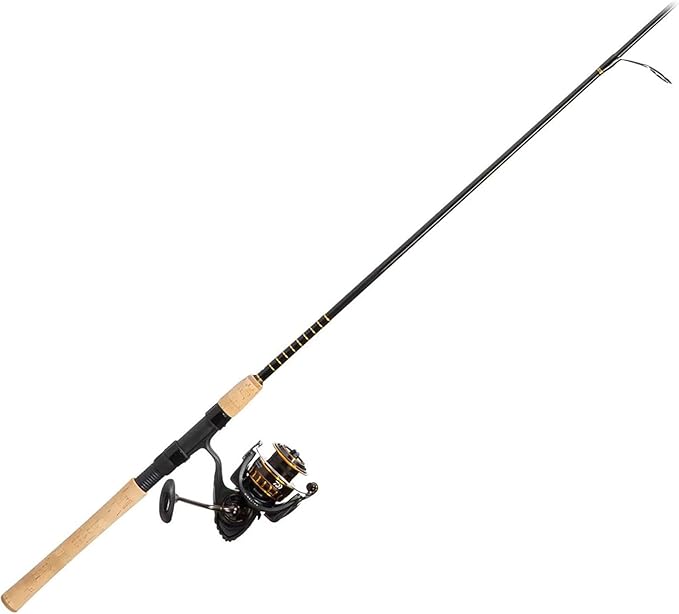
Daiwa BG Spinning Combo
Obtaining a Commercial Fishing License in Texas
To obtain a commercial fishing license in Texas, applicants must follow a specific process and meet certain requirements.
Application Process
- Determine the appropriate license: Based on your fishing activities, choose the correct license type.
- Gather required documentation: This may include proof of residency, identification, and any necessary certifications.
- Submit application: Applications can be submitted online through the TPWD website or in person at a TPWD law enforcement office.
- Pay the fee: License fees must be paid at the time of application.
- Receive license: Once approved, you'll receive your commercial fishing license.
Eligibility Requirements
To be eligible for a Texas commercial fishing license, applicants must:
- Be at least 16 years of age
- Provide a valid form of identification
- Meet residency requirements for resident licenses
- Complete any required safety or education courses
- Have no outstanding violations or unpaid fines with TPWD
Regulations and Compliance
Commercial fishing in Texas is subject to various regulations to ensure sustainable practices and resource conservation.
Catch Limits and Seasons
Commercial fishermen must adhere to specific catch limits and fishing seasons for different species. These regulations are designed to prevent overfishing and maintain healthy fish populations. For example:
- Red Snapper: Commercial fishing is subject to an annual catch quota and requires specific permits.
- Oysters: The commercial oyster season typically runs from November 1 to April 30, with specific daily limits.
- Shrimp: Different seasons apply to Gulf, bay, and bait shrimp fishing, with varying catch limits.
Gear Restrictions
Texas imposes restrictions on the types of fishing gear that can be used commercially. These restrictions help minimize bycatch and protect marine habitats. Some examples include:
- Limitations on the number and size of crab traps
- Restrictions on net sizes and types for shrimp trawling
- Prohibitions on certain fishing methods in specific areas
Reporting Requirements
Commercial fishermen in Texas are required to maintain accurate records of their catch and submit regular reports to TPWD. These reports help the department monitor fish populations and inform management decisions.
The Economic Impact of Commercial Fishing in Texas
Commercial fishing plays a significant role in Texas’s economy, particularly in coastal communities. The industry provides jobs, supports local businesses, and contributes to the state’s food supply.
Key Statistics
- The commercial fishing industry in Texas generates over $150 million in annual revenue.
- Shrimp is the most valuable commercial fishery in Texas, followed by oysters and blue crab.
- The Gulf of Mexico, which borders Texas, accounts for approximately 40% of the commercial fish landings in the continental United States.
Challenges Facing the Industry
Despite its economic importance, the commercial fishing industry in Texas faces several challenges:
- Environmental concerns: Issues such as habitat loss, water quality degradation, and climate change impact fish populations and fishing activities.
- Regulatory pressures: Increasing regulations, while necessary for conservation, can place financial burdens on commercial fishermen.
- Competition from imports: Imported seafood can sometimes undercut prices for locally caught fish, affecting the profitability of Texas fishermen.
- Aging workforce: The commercial fishing industry is experiencing difficulties in attracting younger workers to replace retiring fishermen.
Conservation Efforts and Sustainable Practices
The Texas Parks and Wildlife Department works closely with commercial fishermen to promote sustainable fishing practices and conserve marine resources.
Habitat Restoration Projects
TPWD, in collaboration with other agencies and organizations, undertakes various habitat restoration projects to support healthy fish populations. These include:
- Oyster reef restoration
- Seagrass conservation
- Artificial reef creation
Fishery Management Plans
The department develops and implements fishery management plans for key commercial species. These plans incorporate scientific data, stakeholder input, and conservation goals to ensure the long-term sustainability of fish stocks.
Education and Outreach
TPWD provides educational resources and conducts outreach programs to promote responsible fishing practices among commercial fishermen. These efforts include:
- Workshops on sustainable fishing techniques
- Information on best practices for reducing bycatch
- Guidance on compliance with regulations and reporting requirements
The Future of Commercial Fishing in Texas
As the commercial fishing industry in Texas continues to evolve, several trends and developments are shaping its future:
- Technological advancements: The adoption of new technologies, such as GPS tracking and electronic reporting systems, is improving efficiency and compliance in the industry.
- Aquaculture growth: With increasing demand for seafood and pressure on wild fish stocks, aquaculture is becoming an increasingly important component of Texas's seafood production.
- Ecosystem-based management: There is a growing emphasis on managing fisheries as part of broader marine ecosystems, rather than focusing on individual species in isolation.
- Climate change adaptation: The industry is beginning to develop strategies to adapt to the impacts of climate change, such as shifting fish distributions and changing ocean conditions.