
As the sun rises over Indiana’s pristine lakes and rivers in 2024, anglers across the Hoosier State prepare for another exciting year of fishing. Whether you’re casting a line in Lake Michigan or enjoying the tranquility of a local stream, one thing remains constant: the need for a valid fishing license. This article delves into the importance of obtaining an Indiana fishing license, exploring its benefits for both anglers and the environment, and guiding you through the process of securing your ticket to Indiana’s aquatic wonders.
The Legal Landscape: Understanding Indiana’s Fishing License Requirements
In Indiana, the Department of Natural Resources (DNR) mandates that most anglers aged 18 and older must possess a valid fishing license to fish in public waters. This requirement applies equally to residents and non-residents, ensuring a level playing field for all who wish to enjoy Indiana’s diverse aquatic ecosystems.
The primary purpose of this regulation is twofold: to maintain healthy fish populations and to protect the habitats that support them. By requiring licenses, the DNR can effectively monitor fishing activities and implement conservation strategies based on accurate data.
Conservation: Your License as a Lifeline for Indiana’s Waterways
When you purchase a fishing license in Indiana, you’re doing more than gaining permission to fish – you’re making a direct investment in the state’s natural resources. License fees are a crucial source of funding for a wide array of conservation initiatives:
- Fishery Management: Your fees support fish stocking programs, habitat improvement projects, and scientific research to maintain healthy fish populations.
- Habitat Protection: Funds are allocated to preserve and restore critical aquatic habitats, including wetlands and riparian zones.
- Endangered Species Programs: A portion of license fees goes towards protecting Indiana's threatened and endangered aquatic species, such as the lake sturgeon and the eastern hellbender.
- Conservation Education: The DNR uses license revenue to fund educational programs that promote responsible fishing practices and environmental stewardship.
For example, the DNR’s “Trout in the Classroom” program, partially funded by license fees, allows students to raise trout from eggs and release them into approved waters, fostering a connection with nature and an understanding of conservation.
Fishing Opportunities: A License to Explore Indiana’s Aquatic Treasures
Indiana’s diverse waterways offer something for every angler, and your fishing license is your passport to these experiences:
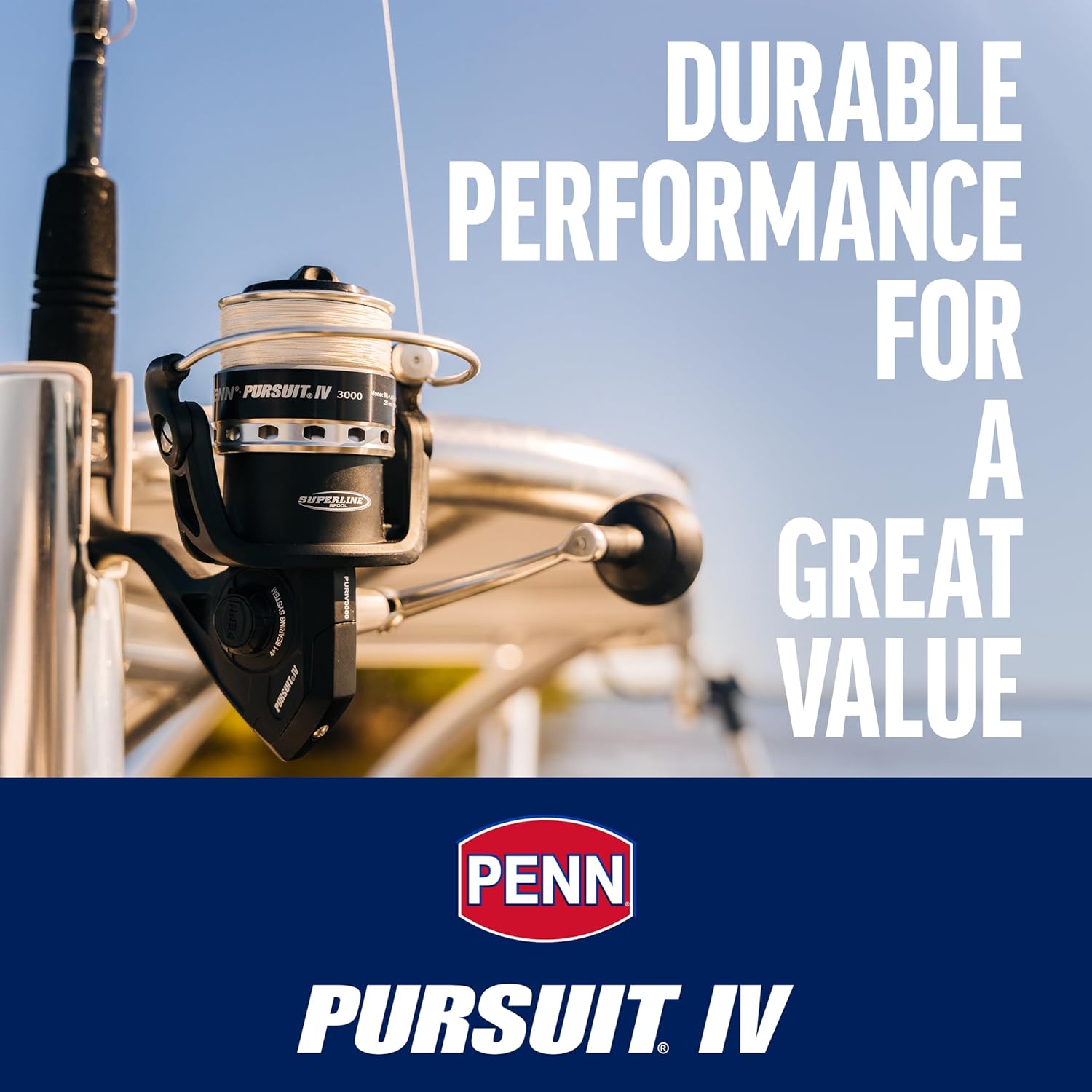
Penn Pursuit IV Spinning Combo
- Lake Michigan: Target salmon, trout, and perch in this Great Lake's vast waters.
- Ohio River: Cast for catfish, bass, and walleye along this historic waterway.
- Patoka Lake: Known for its excellent bass fishing, this reservoir is a favorite among tournament anglers.
- Sugar Creek: Fly fishing enthusiasts flock here for the challenging smallmouth bass fishing.
- St. Joseph River: During salmon and steelhead runs, this river becomes an angler's paradise.
Your license grants you access to over 450 natural lakes and 21,000 miles of rivers and streams across the state, each offering unique fishing experiences.
Types of Licenses: Finding the Right Fit for Your Fishing Needs
Indiana offers a variety of fishing licenses to accommodate different angler needs:
- Annual Fishing License: Valid from April 1 to March 31 of the following year, this is the most popular option for regular anglers.
- One-Day Fishing License: Perfect for occasional anglers or tourists wanting to experience Indiana fishing.
- Senior Annual Fishing License: Available at a reduced rate for Indiana residents aged 64 and older.
- Senior Fish for Life License: A one-time purchase that provides lifetime fishing privileges for eligible senior residents.
- Trout/Salmon Stamp: Required in addition to a fishing license for anglers targeting trout or salmon.
Obtaining Your License: A Simple Process for a World of Fishing
Securing your Indiana fishing license is easier than ever in 2024:
- Online Purchase: Visit the Indiana DNR website for the most convenient option. The streamlined process allows you to purchase and print your license in minutes.
- Retail Locations: Many sporting goods stores, bait shops, and even some convenience stores sell fishing licenses. This option is great for those who prefer face-to-face transactions or need last-minute licenses.
- By Phone: Call the DNR Customer Service Center at 317-232-4200 or 877-463-6367 for assistance in purchasing your license.
The Digital Advantage: Embracing Technology in 2024
In keeping with technological advancements, Indiana now offers digital fishing licenses alongside traditional paper ones. This innovation brings several benefits:
- Convenience: Store your license on your smartphone, eliminating the worry of lost or damaged paper licenses.
- Eco-friendly: Reduce paper waste by opting for a digital license.
- Easy Renewal: Receive reminders and renew your license with just a few taps on your device.
To use a digital license, simply download the official Indiana DNR app and log in to access your license information. Conservation officers can easily verify your license using a QR code displayed on your device.
Economic Impact: Fishing Licenses as Catalysts for Local Economies
The impact of fishing licenses extends far beyond conservation efforts. In 2023, recreational fishing contributed over $1.9 billion to Indiana’s economy, according to the American Sportfishing Association. This economic boost is felt across various sectors:
- Tourism: Out-of-state anglers drawn by Indiana's fishing opportunities contribute to local economies through lodging, dining, and retail purchases.
- Fishing Industry: Bait shops, fishing guides, and equipment retailers thrive on the business generated by licensed anglers.
- Job Creation: The recreational fishing industry supports thousands of jobs across Indiana, from park rangers to boat manufacturers.
By purchasing a fishing license, you’re not just investing in your hobby – you’re contributing to the economic vitality of communities across Indiana.
Seasonal Considerations: Maximizing Your Fishing Experience
While your fishing license is valid year-round, understanding Indiana’s fishing seasons can enhance your angling success:
- Spring (March-May): Prime time for bass fishing as they move to shallow waters for spawning.
- Summer (June-August): Excellent for catfish and panfish in lakes and rivers.
- Fall (September-November): Ideal for targeting walleye and muskie as water temperatures cool.
- Winter (December-February): Ice fishing season on many of Indiana's lakes, with opportunities for perch, bluegill, and crappie.
Remember to check the Indiana DNR website for specific regulations and any seasonal restrictions that may apply to certain species or water bodies.