
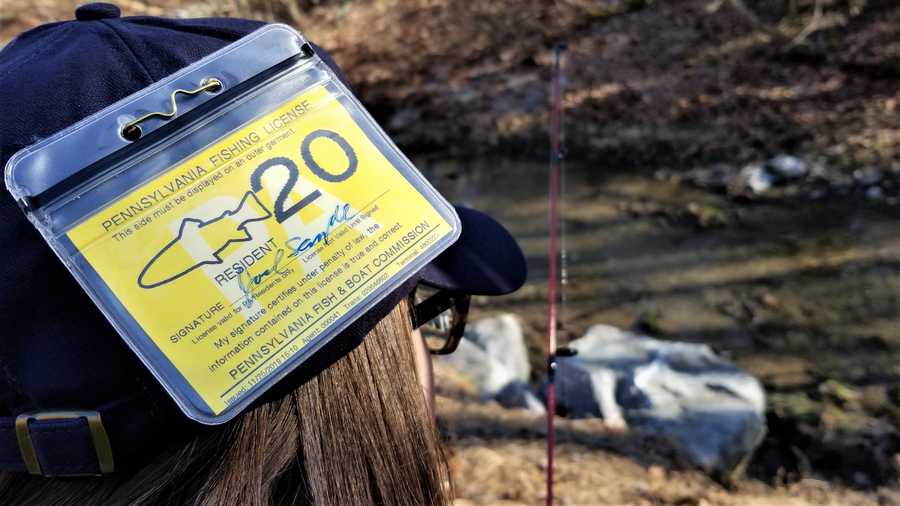
Why Do You Need a Fishing License?
Fishing licenses serve several important purposes:
- Conservation Efforts: A portion of the revenue generated from license sales goes towards funding critical conservation programs that protect and maintain healthy fish populations and their habitats.
- Regulation Compliance: Licenses help state agencies monitor and manage fishing activities, ensuring sustainable practices and adherence to regulations.
- Legal Requirements: In most states, it's illegal to fish without a valid license, and violators may face fines or other penalties.
Types of Fishing Licenses
Before we dive into the licensing process, it’s essential to understand the different types of fishing licenses available:
- Resident Licenses: These licenses are issued to individuals who have established residency within a particular state.
- Non-Resident Licenses: If you plan to fish in a state where you're not a legal resident, you'll need to obtain a non-resident fishing license.
- Short-Term Licenses: Many states offer temporary or short-term licenses, ideal for visitors or those who only plan to fish for a limited period.
- Combination Licenses: Some states offer combination licenses that cover both fishing and hunting activities.
- Specialty Licenses: Depending on the state and the type of fishing you plan to do (e.g., freshwater, saltwater, fly fishing), you may need to purchase additional specialty licenses or stamps.
Step 1: Determine Your Residency Status
The first step is to determine whether you qualify as a resident or non-resident in the state where you plan to fish. Residency requirements vary from state to state, but generally, you’ll need to provide proof of residency, such as a valid driver’s license or utility bills.
Step 2: Choose the Appropriate License Type
Based on your residency status and the type of fishing you plan to do, select the appropriate license type from the options provided by the state’s wildlife agency.
Step 3: Gather Required Documentation
Most states will require you to provide some form of identification, such as a driver’s license or state-issued ID card, when purchasing a fishing license. Some states may also require additional documentation, such as proof of completion of a hunter’s safety course or a valid Social Security number.
Step 4: Purchase Your License
There are typically several convenient ways to purchase your fishing license:
- Online: Many state wildlife agencies offer the option to purchase licenses online through their official websites. This is often the quickest and most convenient method.
- In-Person: You can visit authorized license vendors, such as sporting goods stores, bait and tackle shops, or state wildlife agency offices, to purchase your license in person.
- By Phone: Some states allow you to purchase licenses over the phone by calling a designated number and providing the necessary information.
- Mobile Apps: Several states have developed mobile apps that enable you to purchase and display your fishing license directly on your smartphone or tablet.
Step 5: Review Regulations and Creel Limits
Once you’ve obtained your fishing license, it’s crucial to familiarize yourself with the specific regulations and creel limits (the maximum number of fish you can legally catch and keep) for the waters you plan to fish. These regulations vary by state and even by individual bodies of water, so it’s essential to stay informed and comply with all applicable rules.
Step 6: Renew Your License as Needed
Most fishing licenses are valid for a specific period, typically one year from the date of purchase. Be sure to mark your calendar and renew your license before it expires to avoid any potential penalties or fines.
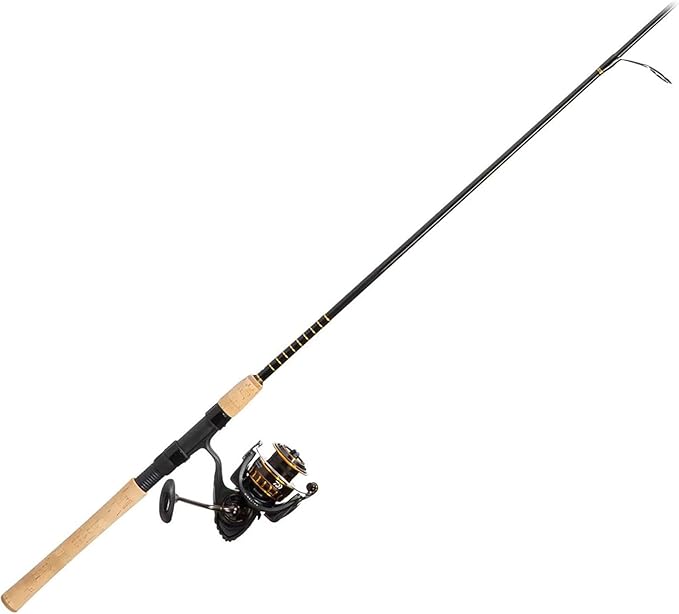
Daiwa BG Spinning Combo
Conservation Efforts and License Fees
It’s important to note that a portion of the revenue generated from fishing license sales goes towards funding critical conservation efforts. These funds support various programs aimed at protecting and restoring fish populations, preserving habitats, and ensuring sustainable fishing practices for future generations.
By purchasing a fishing license, you’re not only complying with legal requirements but also contributing to the long-term health and sustainability of the sport you love.