
Fishing is a cherished activity in Virginia, providing not only a chance to connect with nature but also a way to support vital conservation efforts. Before you can enjoy the thrill of catching fish, it’s essential to obtain a valid fishing license. This guide will walk you through the process of acquiring your Virginia fishing license, detailing the types of licenses available, the application process, and common pitfalls to avoid.
Having a fishing license is legally required for anyone aged 16 and older in Virginia. It also plays a crucial role in funding conservation programs that protect the state’s aquatic resources. In this article, we will cover everything you need to know about obtaining your fishing license, ensuring you can fish legally and responsibly.
Understanding Fishing License Requirements
Age Restrictions
In Virginia, anyone 16 years of age and older must possess a fishing license. Minors under 16 can fish without a license, but they must be accompanied by a licensed adult.
Residency Requirements
To qualify for a resident fishing license, you must have been a domiciliary resident of Virginia for at least two months prior to purchasing the license. Active-duty members of the U.S. armed forces stationed in Virginia, along with their spouses and dependents, are also eligible for resident licenses.
Special Licenses or Permits
In addition to a standard fishing license, anglers may need to purchase additional permits depending on their fishing activities:
- Trout License: Required to fish in stocked trout waters from October 1 through June 15.
- National Forest Stamp: Needed to fish in most waters within the George Washington and Jefferson National Forests.
- Special Regulation Waters: Some wild trout and special regulation waters require a signed landowner permit card.
- Daily Permits: Required at fee fishing areas like Clinch Mountain, Crooked Creek, and Douthat State Park.
For more detailed information on fishing license requirements, visit the Virginia Department of Wildlife Resources (DWR) website.
Step-by-Step Application Process
Step 1 - Determine the License Type Needed
Before applying, consider the type of fishing you plan to do and how long you’ll be fishing. Virginia offers various license options, including:
- Annual Licenses: For residents and non-residents.
- Multi-Year Licenses: For residents.
- Short-Term Licenses: Available for 1-day, 5-day, or 10-day fishing.
- Combination Licenses: For freshwater and saltwater fishing.
- Lifetime Licenses: For long-term enjoyment.
- Trout Licenses: Specifically for trout fishing.
Step 2 - Gather Required Documents
To apply for a fishing license, you’ll need to provide personal information such as your name, date of birth, and residency status. If applying for a lifetime license, additional documentation may be required.
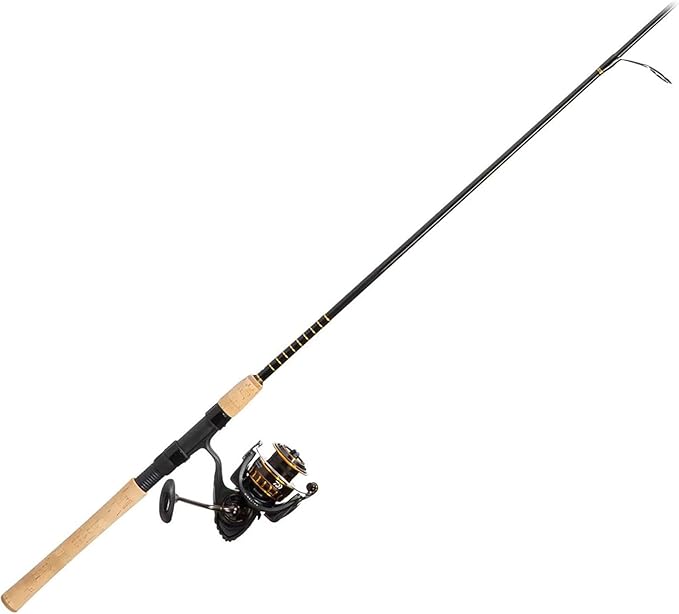
Daiwa BG Spinning Combo
Step 3 - Apply Online or In-Person
You can purchase your Virginia fishing license through several convenient methods:
- Online: Visit Go Outdoors Virginia to apply.
- By Phone: Call (866) 721-6911 during business hours.
- In-Person: Purchase from hundreds of license agents across the state, including some Circuit Court clerks.
Step 4 - Receive and Carry Your License
After completing your application and payment, you’ll receive your fishing license. It is essential to carry either an electronic or printed copy of your license while fishing and present it upon request by law enforcement or landowners.
Costs and Payment Options
The cost of a Virginia fishing license varies based on residency status, age, and the type of license purchased. Here are some examples of license fees:
- Resident Annual Freshwater License: $23
- Non-Resident Annual Freshwater License: $46
- Resident Annual Saltwater License: $17.50
- Non-Resident Annual Saltwater License: $25
- Combination License (Freshwater & Saltwater): $39.50 (residents), $71 (non-residents)
Licenses can be purchased using credit cards, debit cards, or cash (for in-person purchases).