
Fishing in Connecticut is a beloved pastime, offering residents and visitors alike the chance to enjoy the state’s rich aquatic resources. However, before you can cast your line, it’s essential to obtain a fishing license. This guide will provide you with all the necessary steps to secure your Connecticut fishing license, ensuring you can fish legally and responsibly.
Types of Connecticut Fishing Licenses
Connecticut offers various fishing licenses tailored to meet the needs of both residents and non-residents. Understanding these options is crucial for selecting the right license for your fishing plans.
Resident Fishing Licenses
- Inland Fishing License: This license allows you to fish in all inland waters, including lakes, rivers, and streams.
- Cost: $28 for anglers aged 18-64, $14 for those aged 16-17.
- Where to Purchase: Online through the DEEP Online Outdoor Licensing System or at participating vendors.
- Marine Fishing License: Required for fishing in saltwater, this license is essential for those looking to fish along the coast.
- Cost: $10 for residents aged 18-64, $5 for those aged 16-17.
- All-Waters Fishing License: This comprehensive license allows fishing in both inland and marine waters.
- Cost: $32 for residents aged 18-64, $16 for those aged 16-17.
- Combination License: For those who hunt and fish, this license combines both activities at a discounted rate.
- Trout and Salmon Stamp: Required if you plan to fish for trout or salmon in designated areas.
- Cost: $5 for anglers aged 18 and older, $3 for those aged 16-17.
Non-Resident Fishing Licenses
- Seasonal Fishing License: This license allows non-residents to fish for the entire season.
- Cost: $55 for all waters, $63 for marine waters.
- Three-Day Fishing License: Ideal for short visits, this license allows fishing for three consecutive days.
- Cost: $22 for inland waters, $15 for marine waters.
Special Licenses
- Youth Fishing Passport: Available for anglers under 16, this passport is free and allows participation in various fishing activities.
- Free Fishing Days: On designated days, anyone can fish without a license, making it an excellent opportunity for newcomers to try fishing.
Eligibility Requirements
Before applying for a fishing license, it’s essential to understand the eligibility criteria:
- Age: All anglers aged 16 and older must possess a fishing license.
- Residency: You are considered a resident if you have maintained a permanent residence in Connecticut for the entire tax year.
- Exemptions: Certain individuals, such as those who are legally blind, mentally disabled, or physically disabled, may be exempt from needing a fishing license but must still obtain one.
Step-by-Step Application Process for Your Connecticut Fishing License
Obtaining your Connecticut fishing license is a straightforward process, but it’s essential to understand the various steps involved to ensure a smooth and efficient experience. In this section, we’ll guide you through each step, providing detailed insights and valuable tips to help you navigate the application process with ease.
Step 1: Determine the Type of License Needed
The first step in obtaining your Connecticut fishing license is to identify which type of license suits your needs based on your fishing plans. As mentioned earlier, Connecticut offers a variety of licenses, including inland fishing licenses, marine fishing licenses, and combination licenses.
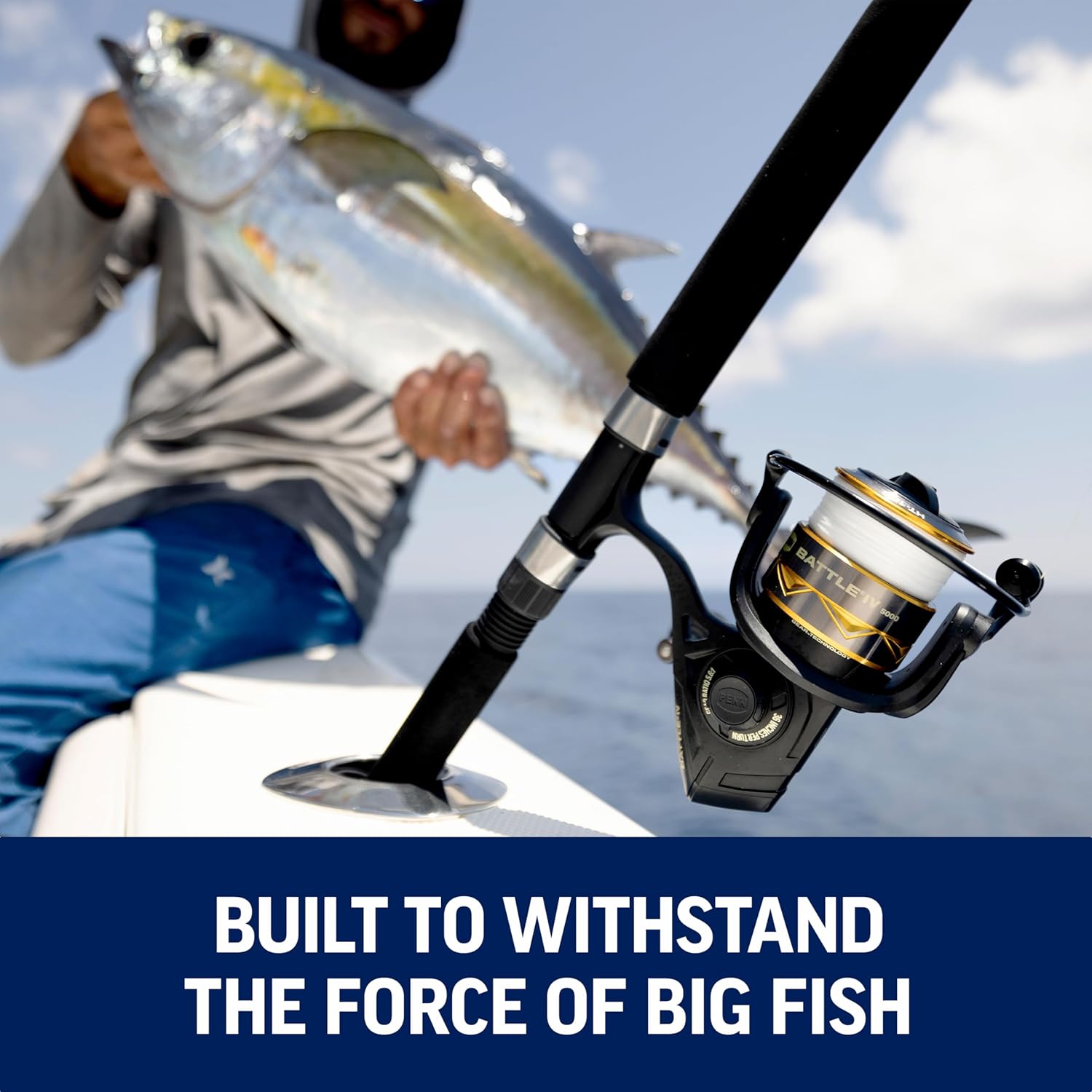
Penn Battle III Surf Spinning Combo
To determine the right license for you, consider the following factors:
- Location: If you plan to fish primarily in inland waters, such as lakes, rivers, and streams, an inland fishing license would be the most appropriate choice. However, if you intend to fish along the coast or in saltwater, a marine fishing license is required.
- Duration: Connecticut offers both seasonal fishing licenses and short-term licenses, such as the three-day fishing license. Choose the option that best fits your fishing plans and the length of your stay in the state.
- Special Considerations: If you plan to fish for trout or salmon in designated areas, you'll need to purchase an additional trout and salmon stamp. Additionally, if you are a youth under 16 or have special needs, you may qualify for a free Youth Fishing Passport or an exemption from the standard licensing requirements.
By carefully considering these factors, you can confidently select the type of license that aligns with your fishing goals and ensures compliance with Connecticut’s fishing regulations.
Step 2: Gather Required Documents
Before beginning the application process, it’s crucial to gather all necessary documentation. The specific documents required may vary depending on the type of license you are applying for and your residency status.
For most licenses, you’ll need to provide:
- Proof of Identification: A valid driver's license, state-issued ID, or passport is typically required to verify your identity and age.
- Proof of Residency: If you are applying for a resident fishing license, you'll need to provide documentation that proves you have maintained a permanent residence in Connecticut for the entire tax year. Acceptable forms of proof may include a utility bill, tax return, or voter registration card.
- Special Licenses or Stamps: If you are applying for a trout and salmon stamp or a special license, such as the Youth Fishing Passport, ensure that you have the required certificates or documentation on hand.
By gathering all necessary documents in advance, you can streamline the application process and avoid any delays or complications.
Step 3: Apply Online or In-Person
Connecticut offers two convenient methods for purchasing your fishing license: online and in-person.
Online Application
The most popular and efficient way to obtain your Connecticut fishing license is through the Connecticut DEEP Online Outdoor Licensing System. This user-friendly platform allows you to complete the entire application process from the comfort of your home or mobile device.
To apply online, follow these steps:
- Visit the Connecticut DEEP Online Outdoor Licensing System and click on the "Buy a License" button.
- Create an account or log in if you have previously purchased a license through the system.
- Select the type of license you wish to purchase and provide the necessary information, such as your personal details and proof of residency or identification.
- Complete the payment process using a credit or debit card.
- Once your application is processed, you will receive a confirmation email. You can then access your license immediately on your mobile device or print it out for future reference.
In-Person Application
If you prefer a more traditional approach or need assistance with the application process, you can purchase your fishing license in person at various locations throughout Connecticut. These include:
- Connecticut DEEP field offices: Visit one of the DEEP's regional offices to speak with a representative and complete the application process.
- Town halls: Many town halls in Connecticut are authorized to sell fishing licenses. Contact your local town hall to inquire about their licensing services.
- Authorized retail locations: Certain sporting goods stores, bait and tackle shops, and other retail outlets are licensed to sell Connecticut fishing licenses. These locations offer a convenient option for those who prefer to purchase their license while shopping for fishing gear or supplies.
When applying in person, be prepared to provide the necessary documentation and payment, which can typically be made via cash or check.
Step 4: Payment
The final step in obtaining your Connecticut fishing license is to pay the applicable fees. The cost of your license will depend on the type of license you are purchasing, your age, and your residency status.
For example:
- Resident Inland Fishing License: $28 for anglers aged 18-64, $14 for those aged 16-17.
- Non-Resident Seasonal Fishing License: $55 for all waters, $63 for marine waters.
- Trout and Salmon Stamp: $5 for anglers aged 18 and older, $3 for those aged 16-17.
When making your payment, keep the following tips in mind:
- Online payments can be made using a credit or debit card.
- In-person payments typically accept cash or check.
- Discounts may be available for seniors, veterans, and individuals with disabilities. Always check the DEEP website for the most up-to-date information on fees and discounts.
Once your payment is processed, you will receive confirmation of your license purchase, either through a digital copy on your mobile device or a physical license that can be printed out.
Step 5: Confirmation and License Delivery
The final step in the application process is to receive confirmation of your license purchase and access your fishing license. The method of delivery will depend on whether you applied online or in person.
Online Application Confirmation
If you applied for your fishing license through the Connecticut DEEP Online Outdoor Licensing System, you will receive a confirmation email once your application is processed. This email will contain instructions on how to access your license.
In most cases, you can immediately access your license on your mobile device by logging into your account on the DEEP’s online portal. This allows you to display your license digitally whenever you go fishing, eliminating the need to carry a physical copy.
If you prefer a physical license, you can also print out a copy from your account or request that a physical license be mailed to you.
In-Person Application Confirmation
When applying for your fishing license in person, you will receive your license immediately upon completing the application and payment process. Depending on the location, you may receive a physical license or a temporary document that serves as proof of purchase until your permanent license arrives in the mail.
If you have any questions or concerns regarding your license confirmation or delivery, don’t hesitate to contact the Connecticut DEEP for assistance. Their friendly and knowledgeable staff will be happy to help you resolve any issues and ensure that you have a valid fishing license in hand.
By following these steps and taking advantage of the resources available through the Connecticut DEEP, you can confidently navigate the fishing license application process and enjoy the many benefits of fishing in the state of Connecticut.
What if I lose my fishing license?
If you lose your fishing license, you can request a replacement through the DEEP online portal or contact their office for assistance. If you purchased your license online, you can reprint it at any time by logging into your account.
Can I fish without a license on Free Fishing Days?
Yes, on designated Free Fishing Days, anyone can fish without a license. However, it’s essential to check the specific dates each year.
Are there any discounts available for licenses?
Yes, discounts may be available for seniors, veterans, and individuals with disabilities. Always check the DEEP website for the most accurate and updated information.
How often do I need to renew my fishing license?
Fishing licenses in Connecticut are valid for the calendar year and must be renewed annually.