
Do You Need a Fishing License in Florida?
In Florida, most anglers are required to have a fishing license to enjoy the state’s abundant fishing opportunities. This applies to both residents and visitors alike. However, there are specific exemptions that allow certain individuals to fish without a license:
Exemptions
- Young Anglers: If you are under 16 years old, you do not need a fishing license.
- Senior Residents: Florida residents aged 65 and older can fish without a license.
- Disabled Residents: Those with a valid Florida Resident Disabled Person’s Hunting and Fishing License are exempt from needing an additional fishing license.
For more detailed information about exemptions, visit the Florida Fish and Wildlife Conservation Commission (FWC).
How Much Does a Fishing License Cost in Florida?
The cost of obtaining a fishing license in Florida varies based on residency status and the type of fishing you plan to do. Here’s a summary of the current fees:
Residents
- Annual freshwater or saltwater license: $17
- 5-year freshwater or saltwater license: $79
- Annual combination freshwater and saltwater license: $32.50
Non-residents
- 3-day freshwater or saltwater license: $17
- 7-day freshwater or saltwater license: $30
- Annual freshwater or saltwater license: $47
Additionally, from October 25, 2024, through January 3, 2025, residents can take advantage of a 50% discount on various licenses, including the annual combination license reduced to just $5. For more details on pricing and discounts, check out the FWC website.
How to Obtain Your Fishing License
Getting a fishing license in Florida is straightforward. You can purchase one through several convenient methods:
- Online: Visit GoOutdoorsFlorida.com for quick access.
- Mobile App: Download the Fish|Hunt FL app available on both Android and iOS for easy management of your licenses.
- In-person: Licenses can also be obtained at county tax collector's offices or authorized retail locations.
- Phone: Call toll-free at 1-888-486-8356 for assistance.
Make sure you have proper identification when applying for your license, especially if you are a resident seeking discounted rates.
Important Considerations
When fishing in Florida, it’s crucial to understand that different types of licenses apply based on the fishing method and species targeted. For instance, if you plan to fish in both freshwater and saltwater, you may need a combination license. Always ensure that your license aligns with the specific regulations for the species you intend to catch.
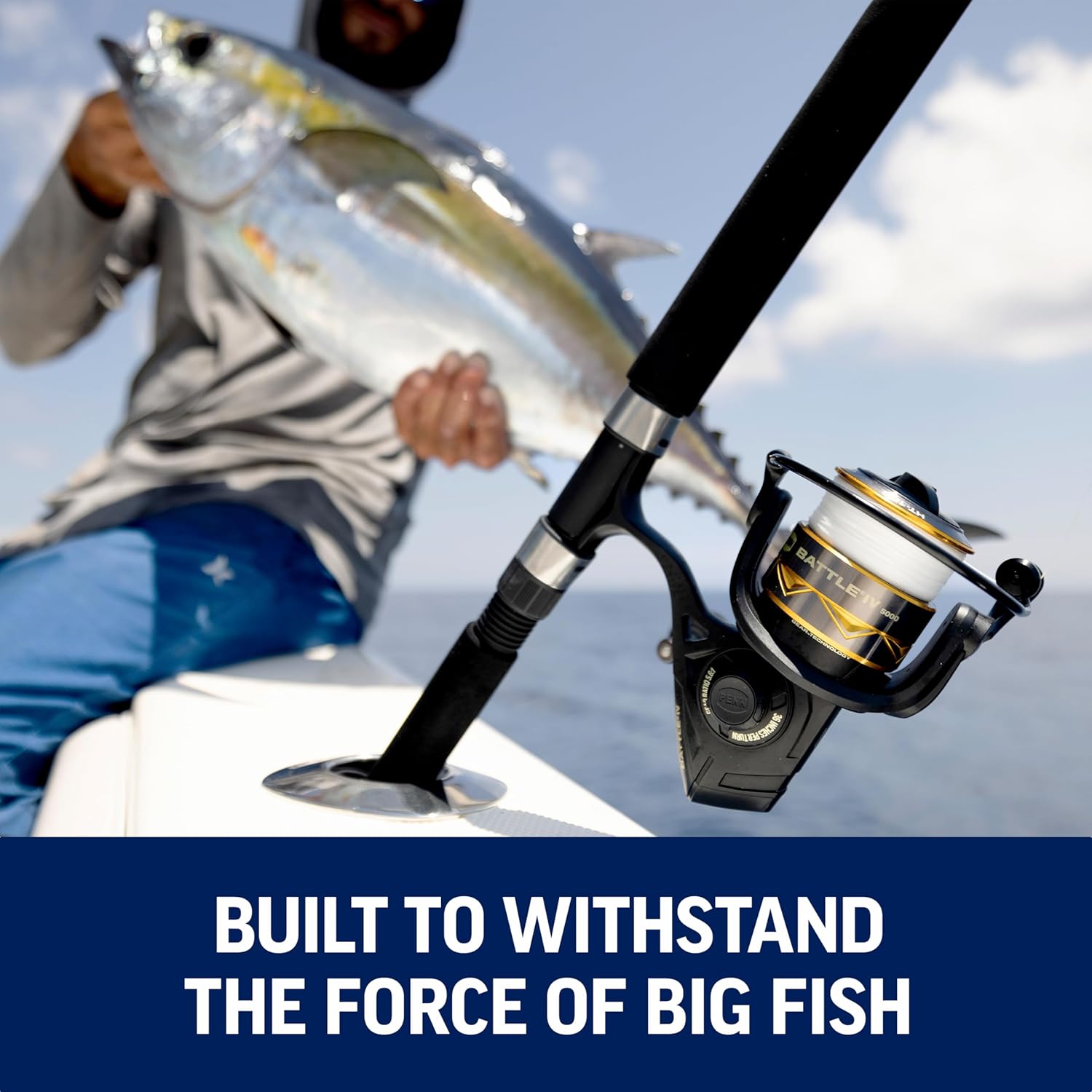
Penn Battle III Surf Spinning Combo
To stay updated on fishing regulations and seasonal changes, refer to resources like the eRegulations guide for 2024-2025.
By following these guidelines and ensuring you have the appropriate licenses, you can enjoy all that Florida’s waters have to offer while contributing to conservation efforts across the state.
What Age Do You Need a Fishing License in Florida?
Once children reach the age of 16, they are required to obtain their own fishing license in Florida. Prior to this age, they can fish freely without any paperwork. This regulation applies to both freshwater and saltwater fishing across the state.
For seniors aged 65 and older, Florida residents enjoy an exemption from needing a fishing license; however, they must provide proof of age through identification. In contrast, non-resident seniors must acquire a fishing license regardless of their age. This ensures compliance with state regulations while allowing both residents and visitors to enjoy Florida’s abundant fishing opportunities.
Do non-resident seniors need a Fishing license in Florida?
Non-resident senior anglers visiting Florida must obtain a fishing license to fish legally in the state. Unlike Florida residents aged 65 and older who are exempt from this requirement, non-residents do not receive any special exemptions based on age. Therefore, all non-residents over the age of 16 are required to purchase a standard non-resident fishing license. This ensures compliance with state regulations while allowing seniors from other states to enjoy Florida’s diverse fishing opportunities responsibly.