
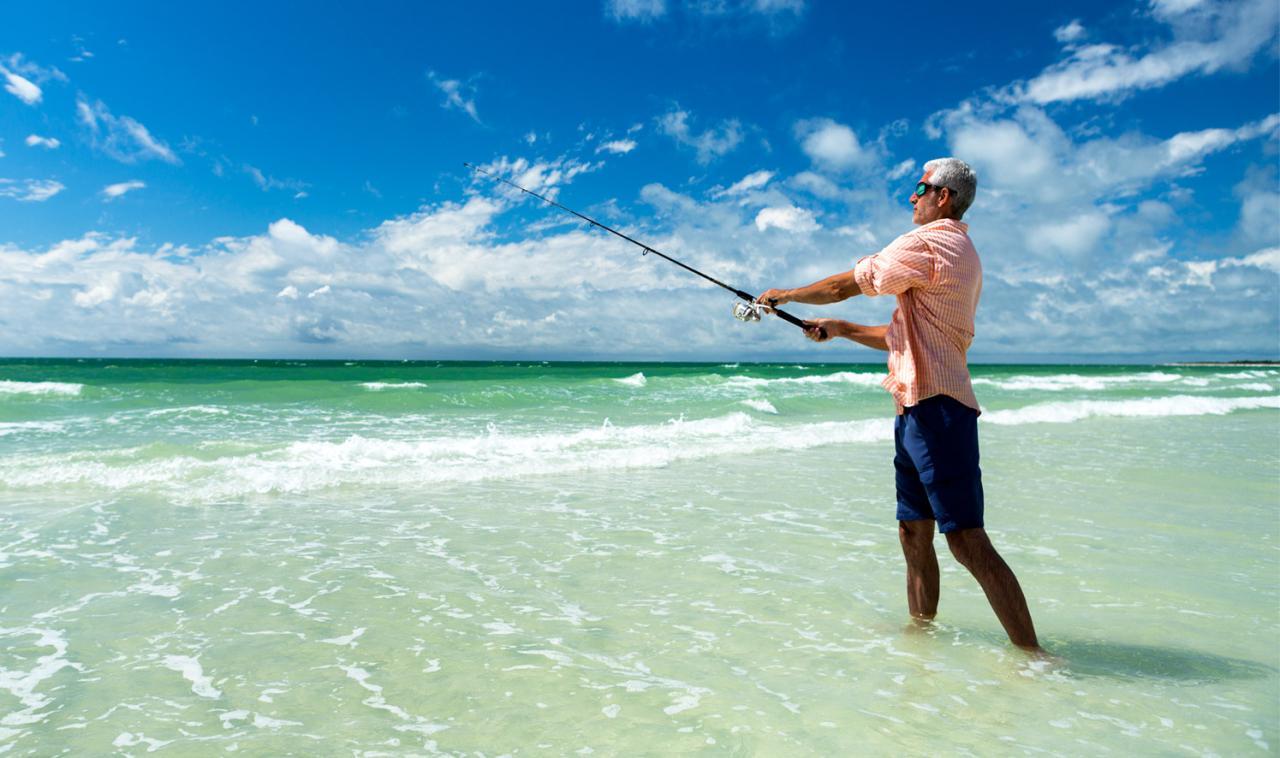
The Importance of Fishing Licenses
Fishing licenses serve a vital role in preserving Florida’s rich aquatic ecosystems for generations to come. By purchasing a license, you contribute directly to the conservation efforts of the Florida Fish and Wildlife Conservation Commission (FWC). These funds support research, habitat restoration, fish stocking programs, and the enforcement of regulations designed to maintain healthy fish populations.
Moreover, fishing licenses promote responsible and sustainable fishing practices, ensuring that anglers adhere to bag limits, size restrictions, and seasonal closures. By complying with these regulations, you play an active role in safeguarding the state’s natural resources, ensuring that the thrill of the catch remains a cherished tradition for years to come.
Understanding Florida’s Fishing License Requirements
In Florida, most anglers aged 16 and older are required to possess a valid fishing license when engaging in recreational fishing activities. However, the specific license requirements vary depending on several factors, including residency status, fishing location (freshwater or saltwater), and the duration of your fishing trip.
Residency Status
Florida distinguishes between resident and non-resident fishing licenses. Residents are typically defined as individuals who have declared Florida as their primary state of residence, as evidenced by a valid Florida driver’s license or other proof of residency. Non-residents, on the other hand, are those who reside outside of Florida.
Freshwater vs. Saltwater Fishing
Florida offers separate licenses for freshwater and saltwater fishing, catering to the diverse angling opportunities available in the state. A freshwater fishing license is required for fishing in lakes, rivers, and other inland waterways, while a saltwater fishing license is necessary for fishing in the ocean, bays, and other coastal areas.
If you plan to fish in both freshwater and saltwater environments, you have the option to purchase a combination license, which covers both types of fishing at a discounted rate.
License Duration
Fishing licenses in Florida are available for various durations, ranging from short-term options for visitors to annual and multi-year licenses for residents and non-residents alike. Short-term licenses, such as 3-day or 7-day licenses, are perfect for those planning a brief fishing getaway, while annual and multi-year licenses offer convenience and cost savings for avid anglers.
Obtaining Your Florida Fishing License
Purchasing a Florida fishing license is a straightforward process, with multiple options available to suit your preferences. You can conveniently purchase your license online through the FWC’s website or mobile app, or in person at authorized retailers, such as sporting goods stores, bait and tackle shops, and county tax collectors’ offices.
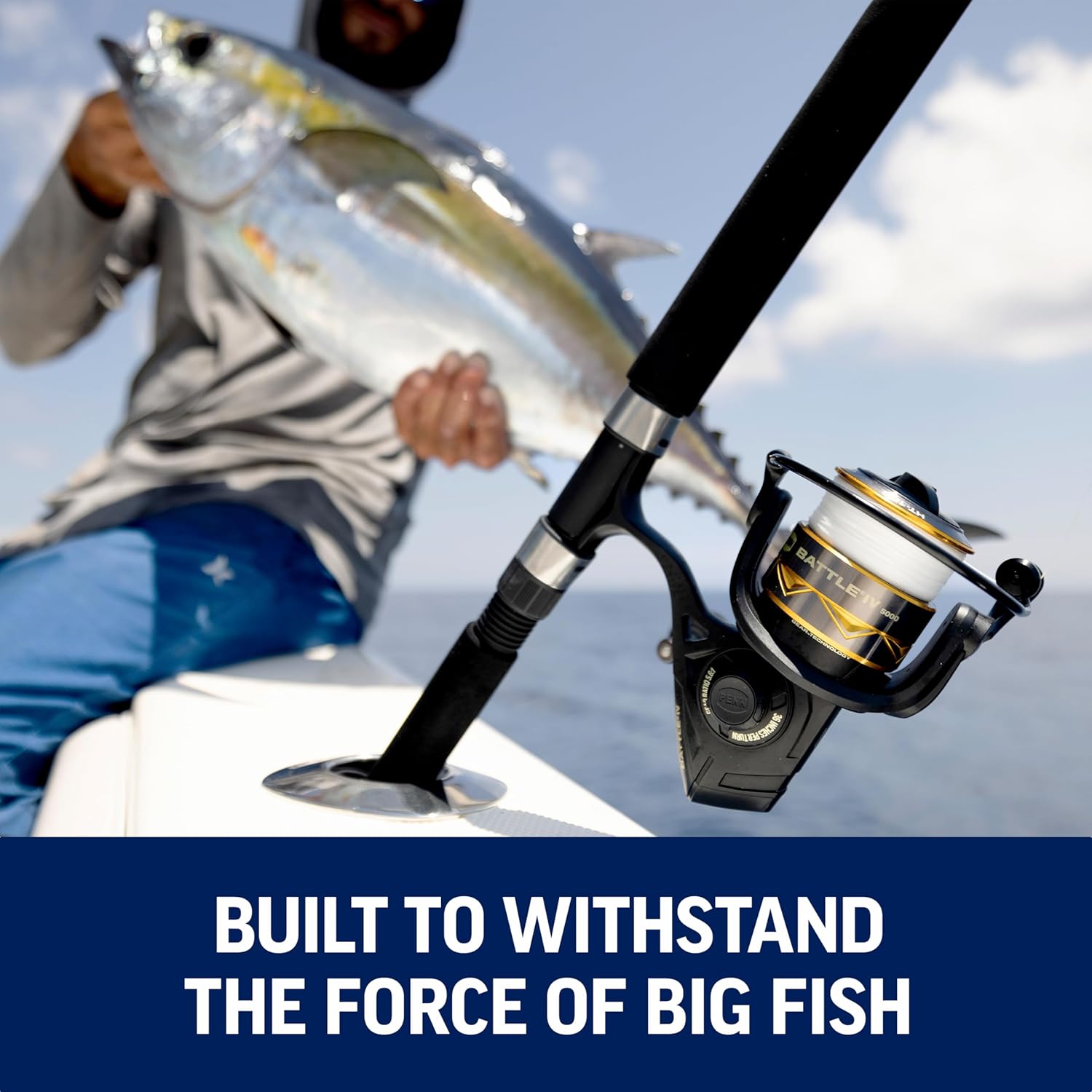
Penn Battle III Surf Spinning Combo
When purchasing your license, be prepared to provide proof of residency (for residents) and have a valid form of payment ready. Additionally, certain fishing activities may require additional permits or stamps, such as a snook permit or a lobster permit, which can be obtained alongside your fishing license.
Exemptions and Special Considerations
While most anglers require a fishing license in Florida, there are several exemptions to be aware of:
- Children under 16 years of age are exempt from needing a fishing license.
- Residents aged 65 and older are exempt from needing a fishing license, but they must carry proof of age and residency, such as a Florida driver's license or ID card.
- Disabled residents with a Florida Resident Disabled Person Hunting and Fishing Certificate are exempt from needing a fishing license.
- Military personnel who are Florida residents and home on leave for 30 days or less (with valid orders) are exempt from needing a fishing license.
- Residents fishing with live or natural bait, using poles or lines without a retrieval mechanism, for non-commercial purposes in their home county (excluding fish management areas) are exempt from needing a fishing license.
Additionally, the FWC designates several license-free fishing days throughout the year, allowing residents and non-residents to fish without a license in freshwater and saltwater areas. These days are designed to encourage participation and introduce more people to the joys of fishing.