
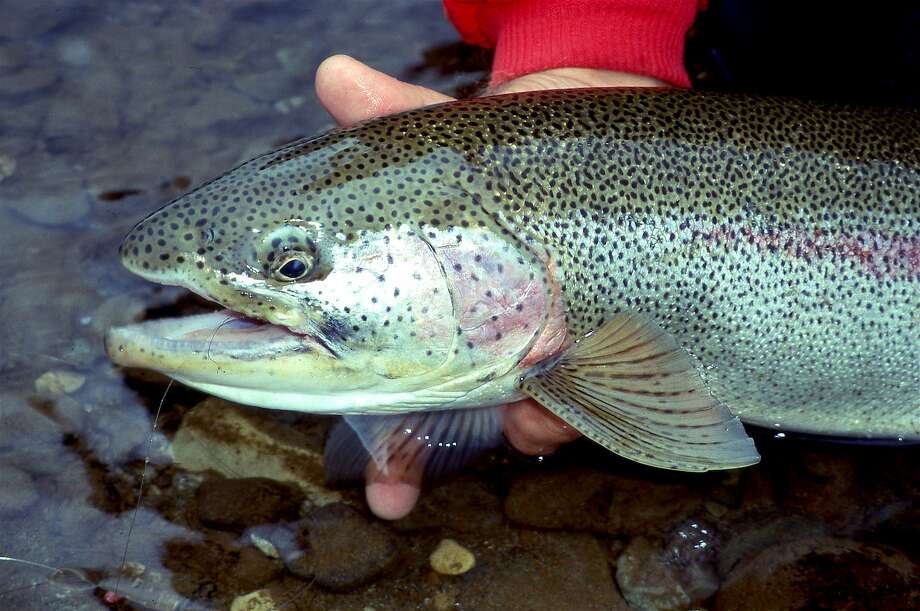
If you’re planning to cast a line in the Sunshine State, understanding Florida’s fishing license requirements is crucial. Whether you’re a resident or visitor, saltwater or freshwater angler, having the proper license is not only legally required but also helps support vital conservation efforts.
Who Needs a Florida Fishing License?
Most anglers 16 years and older require a Florida fishing license to fish in the state’s waters. This requirement applies to both residents and non-residents, covering fishing activities from shore, structures affixed to shore, or boats. Even those assisting others by baiting hooks or reeling in fish must possess a valid license.
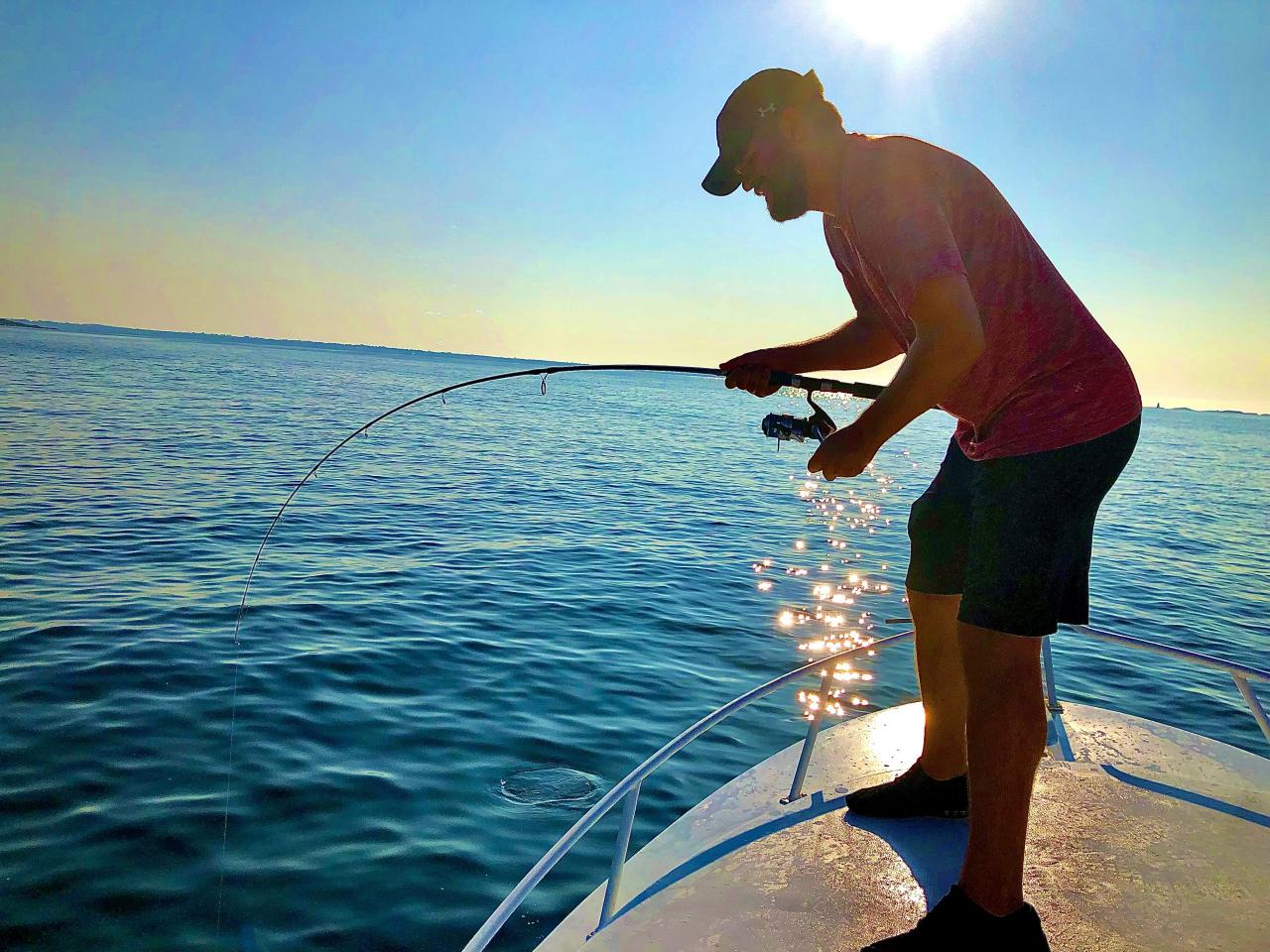
Resident License Requirements
Florida residents must obtain a fishing license when fishing outside their county of residence. The Florida Fish and Wildlife Conservation Commission (FWC) offers various license options, including annual and five-year licenses. Residents can purchase licenses online at GoOutdoorsFlorida.com or through the Fish|Hunt FL mobile app.
Non-Resident License Options
Non-residents visiting Florida for fishing must acquire a valid license regardless of the duration of their stay. Options include annual, seven-day, and three-day licenses, catering to different trip lengths. These can be obtained through the same channels as resident licenses.
Exemptions from Licensing Requirements
Several groups are exempt from needing a Florida fishing license:
- Youth under 16 years of age
- Florida residents 65 years or older with proof of age and residency
- Florida residents fishing on their homestead property
- Certified totally and permanently disabled Florida residents
- Active-duty military Florida residents on leave for 30 days or less
Saltwater Fishing Considerations
For saltwater fishing, additional exemptions apply:
- Fishing from a for-hire vessel with a valid charter boat license
- Fishing from a vessel with a valid recreational saltwater vessel license
- Fishing from a licensed pier
- Participating in a free saltwater fishing day designated by the FWC
Special Permits and Designations
Some species require additional permits beyond the standard fishing license:
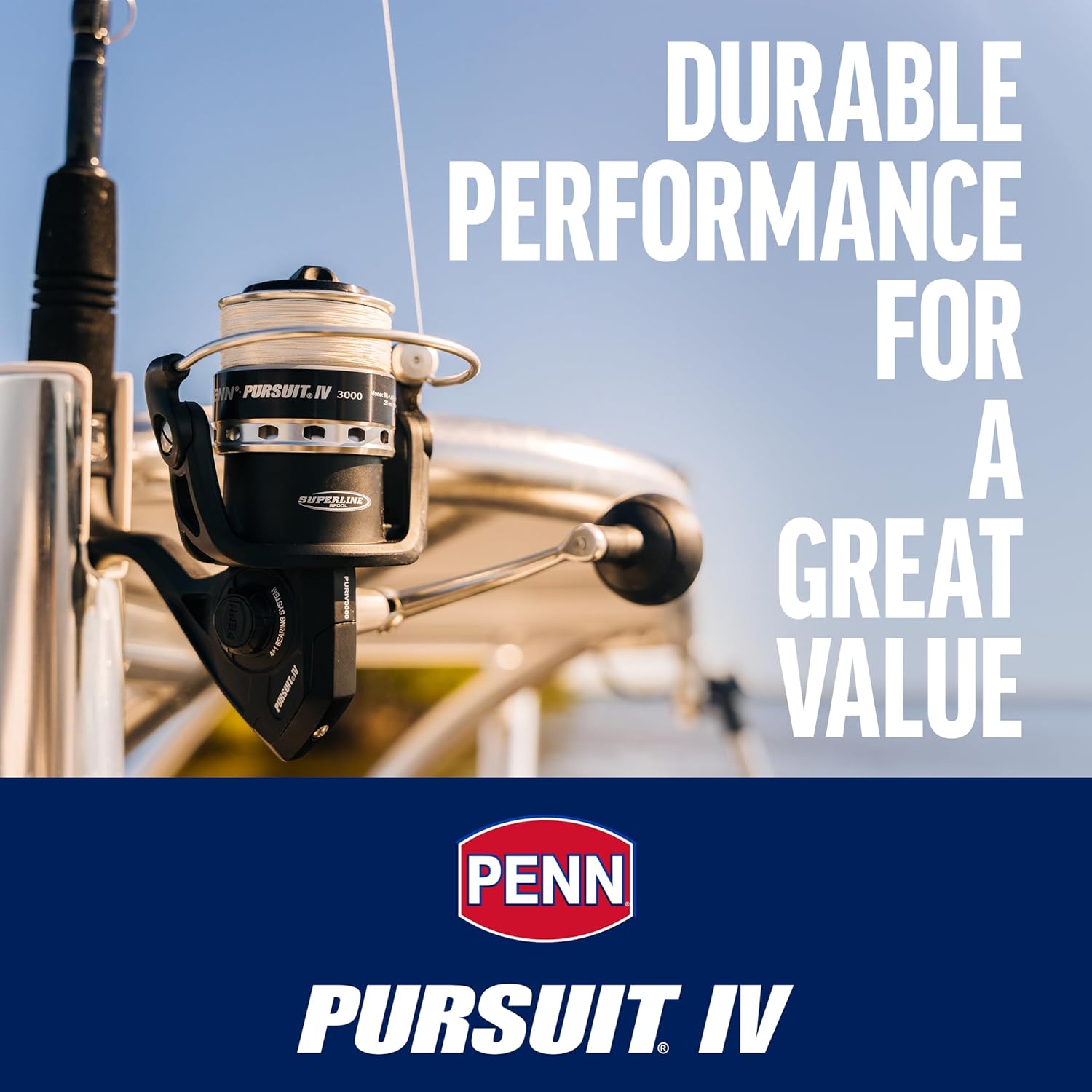
Penn Pursuit IV Spinning Combo
- Snook: Annual permit required for harvest
- Tarpon: Special tag needed for possession
- Spiny Lobster: Annual permit necessary for recreational harvest
Additionally, anglers targeting certain reef fish species must obtain a no-cost State Reef Fish Angler designation.
Types of Florida Fishing Licenses
Florida offers a diverse range of fishing licenses to accommodate various angling activities and durations. The two primary categories are saltwater and freshwater licenses, each designed to meet specific needs of anglers in the Sunshine State.
Saltwater Fishing Licenses
Saltwater fishing licenses are essential for anglers venturing into Florida’s coastal waters, bays, and estuaries. As of 2025, the following options are available:
- Resident Annual: $17
- Non-Resident Annual: $47
- Non-Resident 3-Day: $17
- Non-Resident 7-Day: $30
- Resident Shoreline: Free (valid only for fishing from shore or structures attached to shore)
For those planning extended stays or frequent fishing trips, a 5-Year Resident license is available for $79, offering significant savings over annual renewals.
Freshwater Fishing Licenses
Freshwater fishing licenses cater to those exploring Florida’s abundant lakes, rivers, and streams. The 2025 options include:
- Resident Annual: $17
- Non-Resident Annual: $47
- Non-Resident 3-Day: $17
- Non-Resident 7-Day: $30
Similar to saltwater licenses, a 5-Year Resident option is available for $79, providing a cost-effective solution for avid anglers.
Combination Licenses
Florida residents can take advantage of combination licenses that offer both saltwater and freshwater fishing privileges, along with additional benefits:
- Annual Saltwater/Freshwater Combo: $32.50
- Annual Saltwater/Freshwater/Hunting Combo: $48
- Annual Gold Sportsman's: $100 (includes hunting, saltwater, and freshwater fishing)
These combination licenses represent excellent value for those who enjoy diverse outdoor activities throughout Florida’s varied ecosystems.
Additional Permits for Certain Species in Fishing
Anglers in Florida need to be aware of specific permits required for certain species, in addition to their regular saltwater or freshwater license. These permits ensure sustainable fishing practices and help manage fish populations effectively.
Snook Permit
Snook fishing enthusiasts must obtain a special permit to harvest this popular game fish. The snook permit costs $10 annually for Florida residents, with a five-year option available for $50. This permit is crucial for conservation efforts and helps monitor snook populations along Florida’s coastlines.
Spiny Lobster Permit
For those interested in catching spiny lobsters, a dedicated permit is necessary. Priced at $5 annually for residents, with a five-year option at $25, this permit supports the management of lobster populations in Florida’s waters. It’s essential for maintaining a healthy balance in marine ecosystems.
Tarpon Tag
Tarpon, known for their spectacular jumps and fighting spirit, require a special tag for possession or harvest. The annual tarpon tag costs $51.50 and is only available at tax collector offices. This regulation helps protect these majestic fish and ensures their populations remain stable for future generations.
Shore-based Shark Fishing Permit
Shark conservation is a priority in Florida. Anglers engaging in shore-based shark fishing must complete an online course and obtain a free permit. This requirement applies to all shark fishing from shore, including from jetties, bridges, and piers, regardless of other license exemptions.
State Reef Fish Angler Designation
Anglers 16 and older fishing for certain reef fish species from private vessels must acquire this free designation. It’s a crucial tool for managing reef fish populations and ensuring sustainable fishing practices in Florida’s diverse marine habitats.
Where to Get a Florida Fishing License in 2025
Online Purchase
The most convenient way to obtain a Florida fishing license is through the official Florida Fish and Wildlife Conservation Commission (FWC) website. As of 2025, the GoOutdoorsFlorida.com platform offers a streamlined process for purchasing licenses. This method allows anglers to secure their licenses 24/7, making it ideal for last-minute fishing plans or those who prefer digital transactions.
Mobile App Option
For tech-savvy anglers, the FWC Fish|Hunt FL mobile app provides a user-friendly alternative. Available for both iOS and Android devices, this app not only facilitates license purchases but also stores digital copies of your licenses. Additionally, it offers valuable features such as sunrise/sunset times and feeding schedules, enhancing your overall fishing experience.
Phone Orders
For those who prefer verbal communication, the FWC maintains a dedicated hotline at 888-FISH-FLORIDA (888-347-4356). This service is available around the clock, ensuring that you can obtain your license at any time, even outside regular business hours.
In-Person Purchases
Traditional in-person purchases remain a viable option in 2025. Licenses are available at various locations, including:
- County tax collector offices
- Authorized license agents
- Major retailers like Walmart and Dick's Sporting Goods
To find the nearest vendor, utilize the FWC license vendor locator tool on their official website.
Required Information
Regardless of the purchase method, you’ll need to provide:
- Full name
- Current address
- Date of birth
- Driver's license number or social security number
Fees and Discounts
While base license fees remain consistent across purchase methods, online and phone transactions may incur a small convenience fee. It’s worth noting that from October 25, 2024, through January 3, 2025, the FWC is offering a 50% discount on select licenses, including the annual resident Gold Sportsman license and the annual freshwater/saltwater fishing combination license for residents.
Fishing Regulations to Know: Essential Guide for Anglers
Licensing Requirements
Before casting your line in Florida waters, it’s crucial to understand the licensing requirements. As of 2025, most anglers need a valid fishing license and specific permits:
- Residents aged 16-64 must have a license for freshwater fishing
- Non-residents aged 16 and older need a license for all fishing activities
- Licenses can be purchased online through GoOutdoorsFlorida.com or at authorized retailers
Remember, even if you’re legally exempt, buying a license contributes to conservation efforts and helps keep federal tax dollars in Florida for sportfish restoration.
Species-Specific Regulations
Different fish species have unique regulations to ensure sustainable populations. Here are key rules for popular game fish in Florida for 2025:
Largemouth Bass:
- Daily bag limit: 5 fish
- Size limit: Only one fish over 16 inches allowed in daily bag
Redfish (Red Drum):
- Daily bag limit: 1 fish per person
- Slot limit: 18-27 inches
Snook:
- Closed season: December 1 - February 28 and May 1 - August 31
- Slot limit: 28-33 inches total length
Always check the FWC website for the most up-to-date regulations, as they may change seasonally or annually.
Conservation Measures
Florida implements several conservation-focused regulations to protect marine ecosystems:
- Circle hooks are required for reef fish to reduce mortality
- Descending devices must be on board when fishing for reef species
- Some species, like Goliath grouper, are catch-and-release only
These measures help maintain healthy fish populations and preserve Florida’s diverse aquatic habitats for future generations.
Regional Variations
Fishing regulations can vary significantly by region in Florida. Always check local rules before fishing in:
- Northwest
- Northeast
- Southwest
- Southeast
- South regions
For example, in the Keys (Monroe County), special regulations apply to spiny lobster harvesting during the sport season. The FWC’s regional fishing regulations provide detailed information for each area.
Seasonal Considerations
Fishing seasons in Florida are designed to protect spawning periods and maintain sustainable populations. For instance:
- Snook has closed seasons from December 1 to February 28 and May 1 to August 31
- Spiny Lobster sport season occurs on specific dates in July, with different rules for residents and non-residents
Always consult the FWC’s seasonal fishing calendar before planning your fishing trip to ensure compliance with current regulations.
Fishing without a license is a criminal offense in Florida. If caught, you could face fines, court costs, and even jail time in extreme cases. It's not worth the risk - always make sure you have a valid license before fishing.
If the pier has a valid pier saltwater fishing license, individual anglers do not need a separate license to fish from that pier. This exemption does not apply to freshwater fishing piers.