
Fishing is a popular pastime in Florida, with abundant freshwater lakes and rivers as well as an extensive coastline and saltwater fishing opportunities. However, Florida strictly regulates fishing through licensing requirements. Understanding who needs a license, available license types, exemptions, and costs ensures anglers follow regulations.
Who Needs a Florida Fishing License
Florida residents and non-residents ages 16 and older must have a valid Florida fishing license to fish recreationally in fresh or saltwater, unless exempt.
- Youth under 16 do not need a license.
- Resident seniors age 65+ do not need a license if they have proof of Florida residency.
Exemptions to Fishing License Requirements
Several other groups are exempt from needing a recreational fishing license in Florida:
- Youth under 16
- Residents 65+ with proof of age and residency
- Disabled residents with disability license
- Military personnel home on leave (with orders)
- Fishing in home county with live/natural bait using simple poles or handlines (residents only)
Types of Florida Fishing Licenses
Florida offers several license durations and types:
- Annual freshwater: Resident $17, Non-resident $47
- Annual saltwater: Resident $17, Non-resident $47
- Combination hunting/fishing licenses
- Lifetime licenses for residents
In addition, specialty permits for certain species may be required.
Enforcement
Fishing without a required license in Florida can result in fines up to $500. Anglers are responsible for understanding when a license is needed based on residency status, age, location, and species targeted.
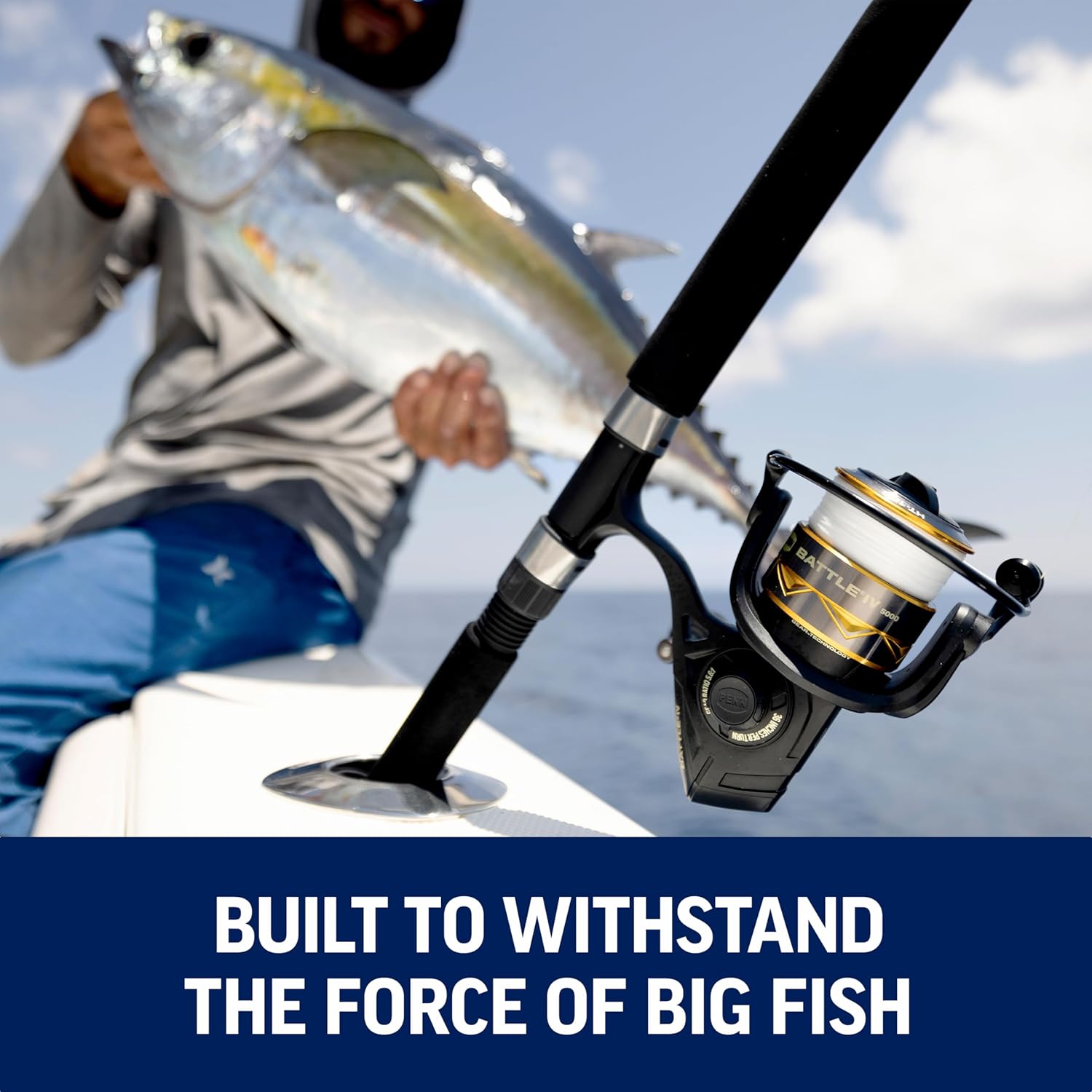
Penn Battle III Surf Spinning Combo
Florida’s fishing regulations aim to maintain healthy and sustainable fisheries. However, they can be complex. Using FWC’s licensing tool helps determine specific requirements.