
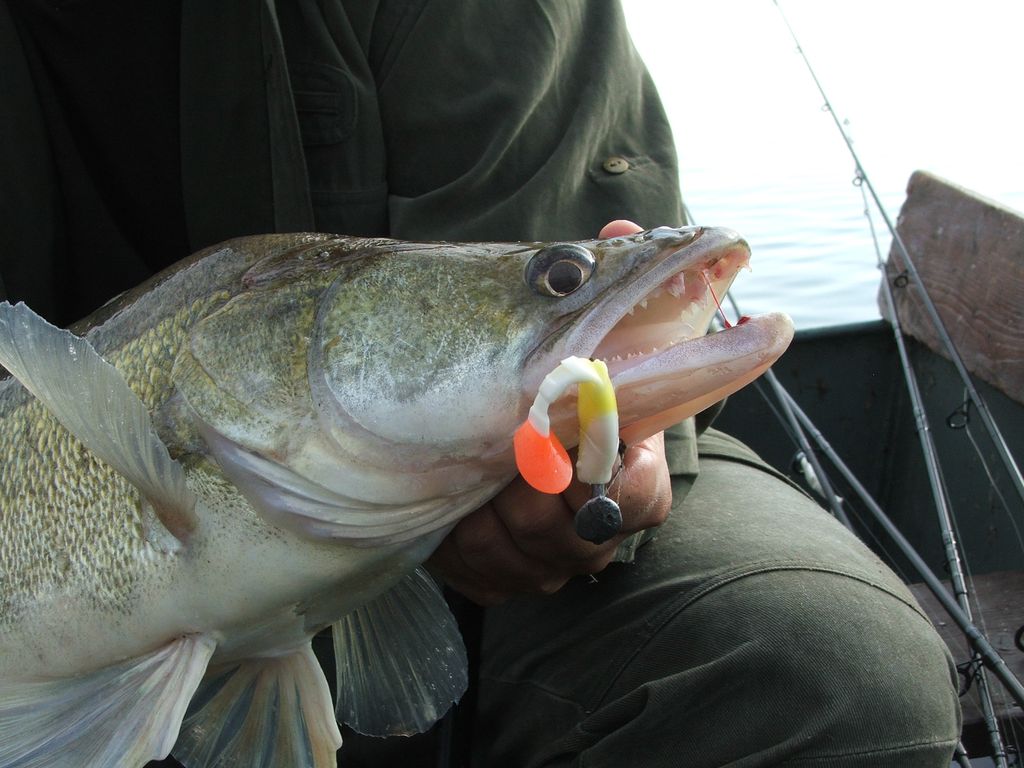
Fishing is more than a simple pastime; it’s a regulated activity and, for many, a source of income. So, what are the repercussions if you’re caught fishing without a fishing license? The legal penalties can be surprisingly harsh, including substantial fines and even wildlife violations. In particular states like California, the penalties can be even more severe. This article serves as an exhaustive guide on the legal implications of fishing without a license, the fines you could incur, and how to safeguard yourself legally.
The Legal Framework Surrounding Fishing Licenses
Why You Need a Fishing License
Legal Requirement
In the majority of states, individuals who are 16 years of age or older are mandated to have a fishing license. This is not just a bureaucratic formality; it’s a legal obligation designed to regulate and manage fish species and aquatic ecosystems.
Conservation Efforts
The fees accrued from fishing licenses are not just another form of taxation; they are a crucial funding source for wildlife conservation efforts. These funds go directly into projects that aim to sustain fish populations and their natural habitats.
Monitoring and Regulation
Having a fishing license also aids in the monitoring and regulation of fishing activities. It helps authorities keep track of the number of fish caught, types of species fished, and other vital statistics that are crucial for sustainable management.
State-Specific Regulations
In the United States, fishing regulations can differ significantly from one state to another. For example, in California, any individual who has been a continuous resident for six months or more is required to possess a sport fishing license. This regulation is not limited to traditional fishing; it extends to various forms of aquatic life capture, including mollusk, invertebrate, amphibian, or crustacean fishing.
California’s Unique Stance
In California, the rules are particularly stringent. The state has its own wildlife code and wildlife department that oversee fishing activities. Failure to comply with these regulations could result in a hefty fine or even jail time, depending on the severity of the wildlife violation.
Texas Parks and Wildlife
In contrast, Texas parks and wildlife regulations may differ. It’s crucial to consult state-specific guidelines or a criminal defense attorney if you’re planning to go fishing in different states.
Penalties for Fishing Without a License
Immediate Consequences
If you get caught fishing without a license, the immediate consequence is usually a fine, which can range from $100 to $1,000. In California, you could be slapped with an additional $1,000 fine for each fish caught without a license.
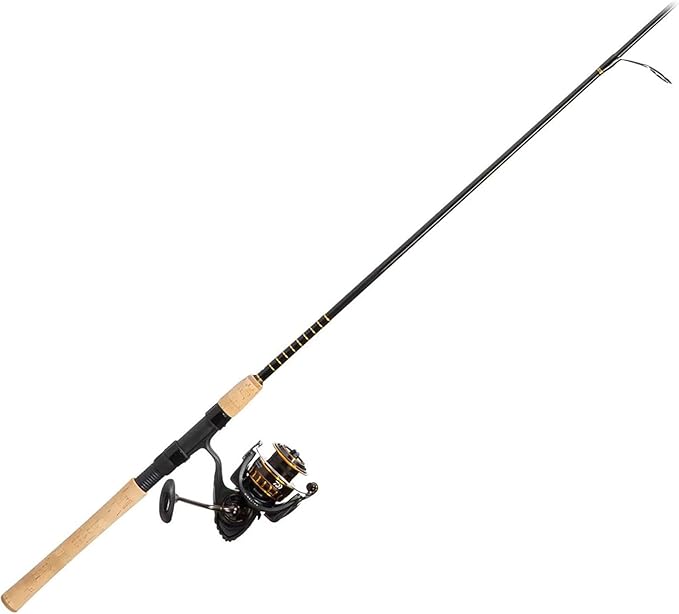
Daiwa BG Spinning Combo
Long-Term Repercussions
Being caught fishing without a license is not a trivial offense. It could escalate to a misdemeanor charge, affecting your criminal record. In extreme cases, you could face up to 60 days in jail, especially if you are a repeat offender.
Legal Defense
If you find yourself in such a predicament, consulting a criminal defense attorney is crucial. They can provide a case evaluation and guide you through the legal intricacies.
How to Navigate the Legal Waters
Consult a Criminal Defense Attorney
If you get caught, it’s imperative to consult a criminal defense attorney immediately. They can offer a case evaluation and potentially reduce your penalties.
Pay the Fine
Some states allow immediate payment of the fine, which may result in reduced charges. However, failure to pay could lead to more severe consequences, including court fees and additional penalties.
Preventive Measures
- Always carry your valid fishing license.
- Be aware of the rules and regulations in place for the specific area where you plan to fish.
- Know the bag limit and fish species allowed in the area.
By adhering to these guidelines, you can enjoy your fishing pastime without worrying about legal repercussions. Always remember, it’s better to be safe than sorry; fish responsibly and within the boundaries of the law.
Penalties and Fines for Fishing Without a License
Immediate Consequences
Monetary Fines
Fishing without a license is not a trivial offense and can result in substantial financial penalties. Fines can vary significantly depending on the state where the violation occurs. For instance, in California, you could be looking at fines ranging from $485 to $1,000. Moreover, each illegally caught fish can add another $1,000 to your fine1.
Additional Charges
Beyond the immediate fines, there are other financial repercussions to consider. In Massachusetts, for example, you could be penalized an additional $5 per fish and up to $2,000 for catching an endangered fish species1.
Court Fees
Legal proceedings often come with their own set of costs. Court fees can add to your financial burden, making the total penalty much higher than the initial fine.
Long-Term Repercussions
Criminal Record
Getting caught fishing without a license is more than just a slap on the wrist; it’s a violation that could lead to a misdemeanor charge. This could have lasting implications on your criminal record, affecting future employment and other life opportunities.
Jail Time
In extreme cases, especially for repeat offenders, jail time is a possibility. In some states, failure to pay fines could result in incarceration. For example, in Massachusetts, you could face up to 30 days in jail1.
Case Studies
First-Time Offender
If you’re a first-time offender, you may be able to mitigate the penalties by pleading ignorance. However, this is not a guaranteed escape route and often results in having to pay for a one-year license.
Repeat Offender
For those who have been caught fishing without a license more than once, the penalties are much steeper. In Florida, repeat offenders within the past 36 months must pay an additional $100 on top of the license cost1.
Actionable Advice
Consult a Criminal Defense Attorney
If you find yourself cited for fishing without a license, consulting a criminal defense attorney for a case evaluation is crucial. They can guide you through the legal maze and help you understand your options.
Pay the Fine Promptly
Some states allow immediate payment of the fine, which may reduce additional charges. Make sure to pay the fine as soon as possible to avoid further complications.
| State | Minimum Fine | Maximum Fine | Jail Time |
|---|---|---|---|
| California | $485 | $1,000 + $1,000 per fish | Possible |
| Massachusetts | $50 | $100 + $2,000 for endangered species | Up to 30 days |
| Florida | Cost of license + $50 | Additional $100 for repeat offenders | No |
Fishing without a license can lead to severe legal consequences, including hefty fines, potential jail time, and even a criminal record. It’s crucial to understand the laws and regulations surrounding fishing licenses, especially if you are in states like California where the rules are stringent. Always consult a criminal defense attorney if you find yourself in such a predicament. Remember, it’s better to be safe than sorry; always fish responsibly and within the boundaries of the law.