
Understanding the Colorado River’s Ecosystem
Fish Species and Habitats
The Colorado River is home to a wide variety of fish species, each with its unique preferences and behaviors. Some of the most popular species include:
- Trout: Known for their fighting spirit and delicious flavor, trout are a favorite among anglers. They thrive in cool, clear waters and often congregate near rocks, logs, and vegetation.
- Bass: Both largemouth and smallmouth bass are abundant in the Colorado River. These predatory fish prefer areas with cover, such as submerged trees or rocky outcroppings.
- Catfish: Channel catfish and flathead catfish are common in the Colorado River. They typically feed on the bottom and can be caught using live bait or cut bait.
- Pike: Northern pike are a top predator in the river. These toothy fish are known for their explosive strikes and can be caught using large lures or live bait.
Understanding the specific habitat preferences and feeding habits of each species can greatly improve your chances of success.
Water Conditions and Seasonal Patterns
The Colorado River’s water conditions and fish activity levels vary throughout the year. Here’s a breakdown of what to expect in each season:
- Spring: As the water warms up, fish become more active and begin to spawn. This is an excellent time for trout fishing, especially during the spawning season. Focus on areas with slower current and ample cover.
- Summer: The warmer temperatures can lead to increased fish activity, but fishing during cooler parts of the day (early morning or late evening) is often more productive. Look for fish holding in deeper pools or areas with shade.
- Fall: Fish begin to feed aggressively in preparation for winter. This season is ideal for catching larger specimens of various species. Target areas with baitfish concentrations and look for fish staging near structure.
- Winter: While fishing slows down, certain species like trout can still be caught. Ice fishing is also an option in some areas, but always prioritize safety and check ice conditions before venturing out.
Essential Gear for Colorado River Fishing
Rods and Reels
Choosing the right rod and reel combination is crucial for success. Consider the following factors:
- Rod Length: A medium to medium-heavy rod (6 to 7 feet) is versatile and suitable for various fishing techniques.
- Reel Type: Spinning reels are user-friendly and ideal for beginners. They offer smooth operation and are well-suited for a wide range of fishing situations.
Lures and Baits
Selecting the right lure or bait can make a significant difference in your catch rate. Here are some recommendations:
- Artificial Lures: Spinners, crankbaits, and jigs that mimic local baitfish or insects are effective for a variety of species. Experiment with different colors and sizes to find what works best in the current conditions.
- Live Bait: Worms, minnows, and insects are classic choices that often trigger a feeding response in fish. They are particularly effective for catfish and trout.
Fishing Line and Accessories
Don’t forget these essential items:
- Fishing Line: Use a strong, abrasion-resistant line suitable for the species you're targeting. Fluorocarbon or monofilament lines are popular choices.
- Terminal Tackle: Swivels, snaps, and split rings can help prevent line twist and make rigging easier.
- Pliers and Dehookers: These tools are invaluable for safely removing hooks and handling fish.
- Tackle Storage: Organize your gear with a sturdy tackle box or bag to keep everything easily accessible.
Expert Fishing Techniques
Casting Techniques
Mastering casting techniques is essential for effective fishing. Here are two key methods:
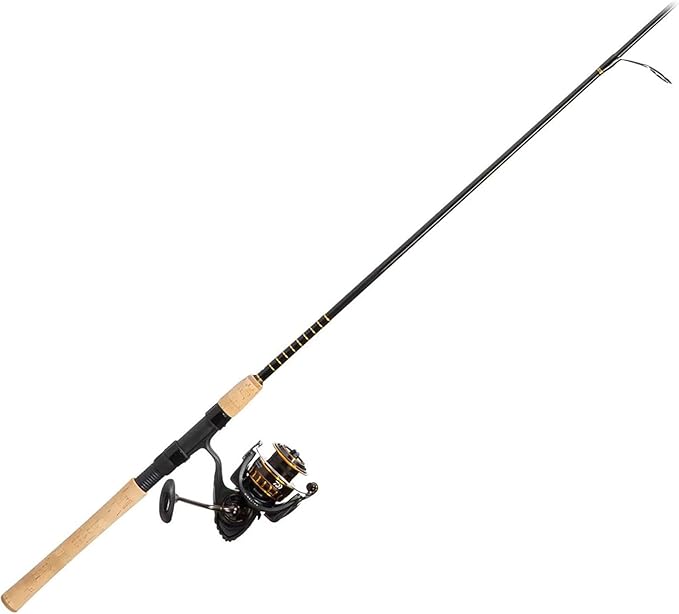
Daiwa BG Spinning Combo
- Overhead Cast: This classic cast is ideal for distance and accuracy. Ensure a smooth, fluid motion and keep your backcast high to avoid hitting the water.
- Sidearm Cast: The sidearm cast is useful for casting under branches or in tight spaces. It allows you to keep a low profile and make precise presentations.
Presentation and Retrieval
How you present your lure or bait to the fish can make all the difference. Consider the following:
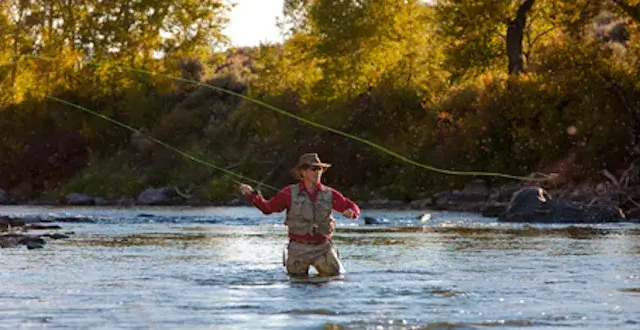
- Fly Fishing: Effective for trout, fly fishing involves using dry flies or nymphs to mimic insects on the water's surface or in the water column. Develop a smooth, controlled casting stroke and present your flies with a delicate touch.
- Baitcasting: This technique is well-suited for bass fishing. Use a baitcasting reel and a medium-heavy rod to cast lures with precision and control. Experiment with different retrieval speeds and pauses to trigger strikes.
- Bottom Fishing: For catfish and other bottom-dwelling species, use a sliding sinker rig with a circle hook and live or cut bait. This method keeps your bait near the riverbed where catfish are most likely to find it.
Reading the Water
Developing the ability to read the water is a valuable skill that can lead you to the best fishing spots. Look for:
- Current Seams: Areas where fast and slow currents meet often hold fish that are waiting to ambush passing prey.
- Eddies and Backwaters: These calmer areas behind rocks, logs, or other obstructions provide a resting place for fish and can be productive spots to target.
- Underwater Structure: Fish are often found near submerged rocks, logs, or vegetation where they can find cover and feed.
Best Fishing Spots on the Colorado River
Popular Locations
The Colorado River meanders through stunning landscapes, offering a variety of fishing opportunities that cater to different angler preferences. While many areas provide excellent fishing, a few locations stand out for their consistent productivity and unique features.
Grand Junction
Located in western Colorado, Grand Junction is another excellent fishing destination, offering diverse opportunities for catching bass, catfish, and other species. The area’s wide, slow-moving sections of the river are particularly well-suited for targeting bottom-feeding fish.
Hidden Gems
For those looking to escape the crowds and discover more secluded fishing spots, the Colorado River has several hidden gems that promise a rewarding experience.
Ruby-Horsethief Canyon
Ruby-Horsethief Canyon is a breathtaking stretch of the Colorado River that offers stunning red canyon walls and a tranquil fishing environment. This remote area is perfect for those willing to hike or boat in, providing access to pristine waters teeming with fish.
- Fishing Opportunities: The canyon is known for its deep pools and ample cover, making it an excellent location for catching trophy-sized fish. Species such as bass and trout can be found here, particularly in the calmer waters where they seek shelter from the current.
- Wildlife Viewing: Aside from fishing, Ruby-Horsethief Canyon is a haven for wildlife enthusiasts. Visitors often spot bighorn sheep, bald eagles, and other wildlife while enjoying the serene beauty of the canyon. For more information on camping and permits, visit Ruby-Horsethief Canyon.
Westwater Canyon
Known for its challenging whitewater rapids, Westwater Canyon also offers some of the best fishing on the Colorado River. This unique combination of thrilling rapids and calm pools creates an exciting fishing environment.
- Fishing Conditions: The deep pools and eddies within the canyon are home to large trout and bass, making it a prime spot for anglers seeking a challenge. The contrast between the fast-moving water and tranquil fishing areas allows for a dynamic fishing experience.
- Adventure Awaits: Anglers looking for an adventure can combine fishing with rafting, navigating through the canyon's rapids before settling into the calmer waters for fishing. This dual experience is perfect for those who enjoy both the thrill of the rapids and the tranquility of fishing. For more details on fishing and rafting in Westwater Canyon, check out Westwater Canyon Fishing.
The Colorado River is a treasure trove of fishing opportunities, from the popular hotspots of Glenwood Springs and Grand Junction to the hidden gems of Ruby-Horsethief Canyon and Westwater Canyon. Each location offers unique experiences, making it essential for anglers to explore various sections of the river to find their perfect fishing spot. Whether you’re after trophy trout or simply seeking a peaceful day on the water, the Colorado River has something for everyone.
Fishing Regulations and Conservation
Licensing Requirements
Before embarking on your Colorado River fishing adventure, make sure you have the appropriate licenses. Each state has its own regulations, so be sure to check the Colorado Parks and Wildlife website for the most up-to-date information on licensing requirements and fees.
Sustainable Fishing Practices
As anglers, it’s our responsibility to ensure the long-term health and sustainability of the Colorado River’s fisheries. Here are some best practices to keep in mind:
- Catch and Release: When possible, practice catch and release to help maintain healthy fish populations. Handle fish with care and use barbless hooks to minimize harm.
- Respect Regulations: Familiarize yourself with and follow all fishing regulations, including size limits, bag limits, and any special restrictions in place.
- Leave No Trace: Always clean up after yourself and pack out any trash you generate. This helps preserve the natural beauty of the Colorado River for future generations of anglers to enjoy.