
Why Fishing Licenses Matter
Fishing licenses are more than just a legal requirement – they play a vital role in conserving our aquatic resources and supporting local fishing communities. When you purchase a fishing license, the fees go directly toward maintaining healthy fish populations, protecting habitats, and providing access to fishing areas. By obtaining a license, you’re not only ensuring your own compliance with the law but also contributing to the long-term sustainability of the sport.
Moreover, fishing licenses help regulate the number of anglers and the amount of fish caught each year. This data is essential for fisheries managers to make informed decisions about catch limits, seasons, and other regulations that keep fish populations thriving. So, when you buy a license, you’re doing your part to ensure that future generations can enjoy the same incredible fishing experiences you do.
Types of Fishing Licenses
Fishing licenses come in various forms to accommodate different needs and preferences. The most common types include:
- Annual Licenses: These licenses are valid for an entire year, typically from the date of purchase or from January 1st to December 31st. Annual licenses are a great option for frequent anglers who plan to fish multiple times throughout the year.
- Short-Term Licenses: If you only plan to fish for a short period, such as a weekend or a weeklong vacation, short-term licenses are a convenient choice. Options may include one-day, three-day, or seven-day licenses, depending on the state.
- Lifetime Licenses: For dedicated anglers who want to invest in their passion, lifetime licenses offer a one-time purchase that grants fishing privileges for life. While the upfront cost may be higher, it can save money in the long run and eliminates the need for annual renewals.
- Combination Licenses: Some states offer combination licenses that bundle fishing and hunting privileges together. If you enjoy both activities, this can be a cost-effective way to obtain the necessary permits.
- Specialty Licenses: Depending on the type of fishing you plan to do or the species you're targeting, you may need additional licenses or stamps. For example, if you want to fish for migratory species like salmon or steelhead, you might need a specific stamp or endorsement in addition to your regular fishing license.
How to Get Your Fishing License
Obtaining a fishing license is a straightforward process that can often be completed online, by phone, or in person. Here’s a step-by-step guide to help you get started:
- Visit your state's fish and wildlife agency website: Each state has its own department responsible for issuing fishing licenses. Start by visiting their official website, which can usually be found through a simple online search.
- Choose the license type: Once on the website, select the type of license you need based on your residency status, age, and the duration of the license (annual, short-term, or lifetime).
- Provide necessary information: You'll be asked to provide personal details such as your name, address, date of birth, and contact information. Some states may require proof of residency, such as a driver's license or utility bill.
- Pay the fee: Fishing license fees vary by state and license type. Most websites accept major credit cards for secure online payments. If purchasing in person, check with the vendor for accepted payment methods.
- Print or download your license: After completing the purchase, you'll usually have the option to print a physical copy of your license or download a digital version to your smartphone. Make sure to carry your license with you whenever you're fishing, as you may be asked to present it to a game warden or other official.
If you prefer to buy your license in person, many sporting goods stores, bait and tackle shops, and local government offices sell them. Simply visit a participating vendor, provide the necessary information, and pay the fee to receive your license on the spot.
Fishing License Costs and Discounts
The cost of a fishing license varies by state and license type. In general, annual licenses for residents range from $20 to $50, while non-resident licenses can cost anywhere from $40 to $150. Short-term licenses are usually more affordable, with prices ranging from $10 to $30 for a one-day or three-day permit.
Many states offer discounted licenses for certain groups, such as:
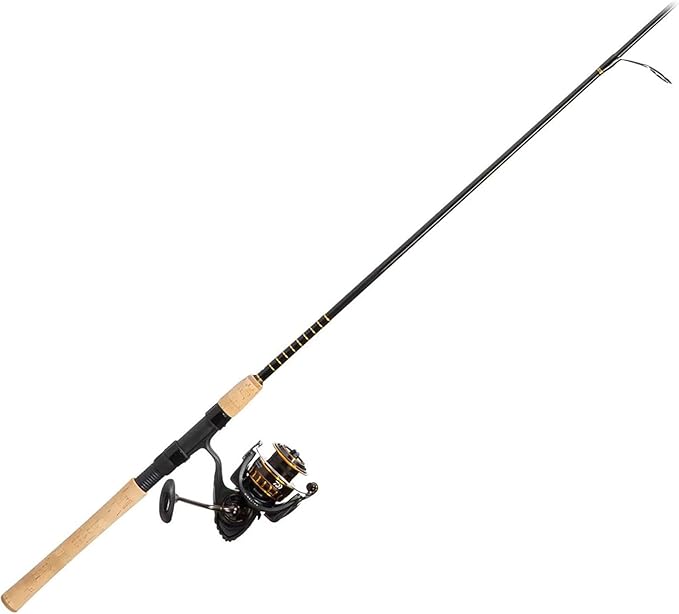
Daiwa BG Spinning Combo
- Senior citizens: Most states provide reduced-fee or even free licenses for residents over a certain age, typically 60-70 years old.
- Military veterans: Some states honor the service of military veterans by offering discounted or complimentary fishing licenses.
- Persons with disabilities: Individuals with qualifying disabilities may be eligible for reduced-fee or free licenses in many states.
- Youth anglers: To encourage young people to take up fishing, many states offer discounted or free licenses for children and teenagers, usually under 16-18 years old.
It’s always a good idea to check with your state’s fish and wildlife agency for specific discount programs and eligibility requirements.
Fishing License Exemptions
While most anglers need a fishing license, there are a few exceptions. These may include:
- Private property: In some states, you may not need a license to fish on private property with the owner's permission.
- Free fishing days: Many states designate certain days throughout the year as "free fishing days," during which anyone can fish without a license. These events are great opportunities to introduce newcomers to the sport.
- Certain age groups: Some states allow young children (usually under 12-16 years old) and senior citizens (usually over 70-80 years old) to fish without a license.
Keep in mind that even if you qualify for an exemption, you still need to follow all other fishing regulations, such as catch limits, size restrictions, and seasons.
Staying Compliant and Avoiding Mistakes
To ensure a smooth and enjoyable fishing experience, it’s essential to stay compliant with all fishing license requirements and regulations. Here are some tips to help you avoid common mistakes:
By following these guidelines and staying informed about your state’s fishing license requirements, you can enjoy the sport with confidence and peace of mind.