
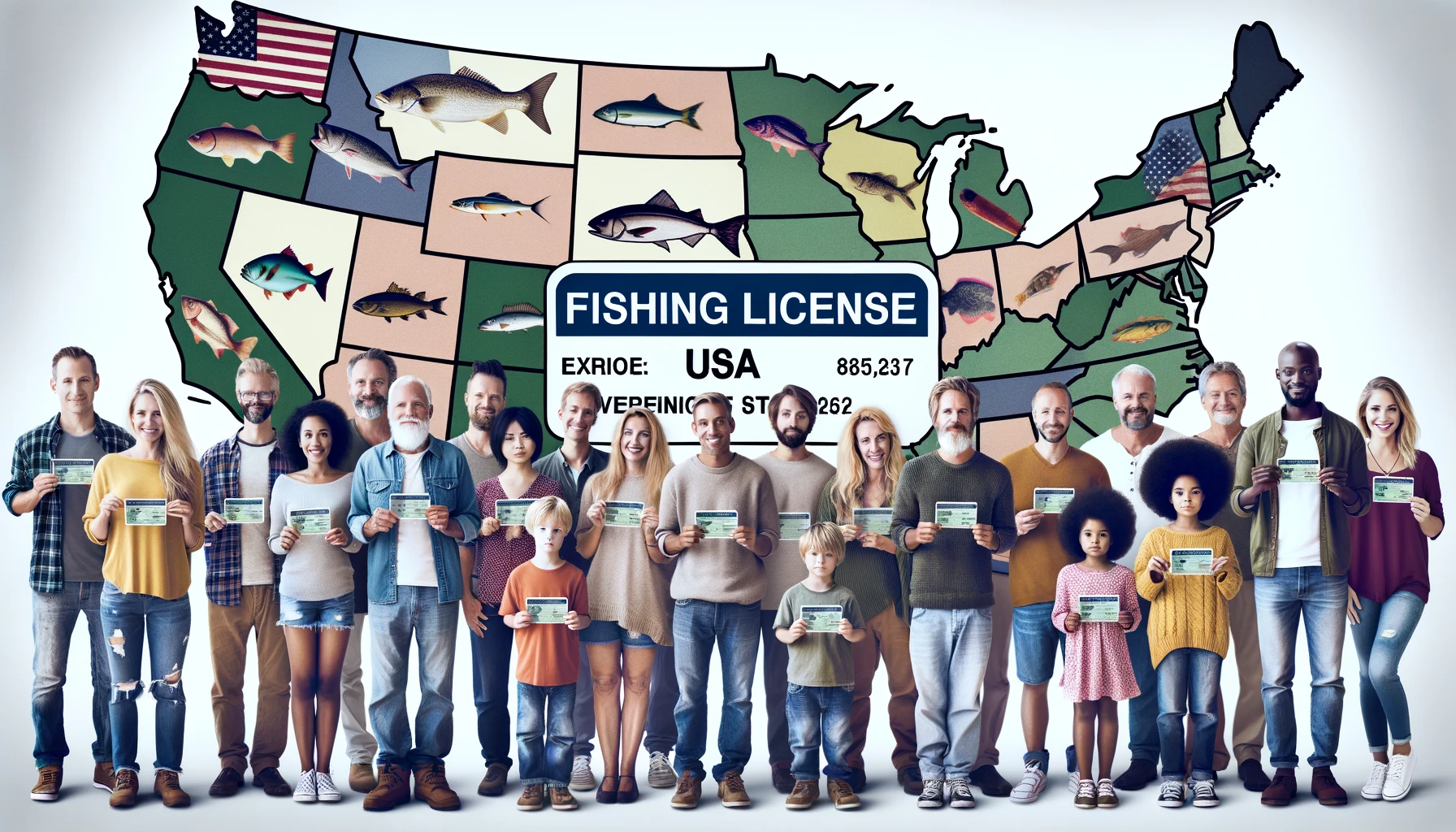
Why Fishing Licenses Matter
Before we delve into the specifics of expiration dates, let’s quickly recap why fishing licenses are so important:
- Conservation Efforts: The fees from fishing licenses directly fund conservation projects, habitat restoration, and fish stocking programs that keep our waterways healthy and thriving.
- Access and Infrastructure: License fees also support the maintenance and improvement of fishing access points, boat ramps, and other infrastructure that enhances the angling experience.
- Compliance with Regulations: Holding a valid fishing license ensures you are following the law and doing your part to protect our fisheries for future generations.
Understanding Fishing License Expiration Dates
Fishing license expiration dates vary by state, with some key differences to keep in mind:
Annual Licenses
Most states offer annual fishing licenses that are valid for 12 months from the date of purchase. For example:
- Florida: Annual recreational fishing licenses are valid for 12 months from the purchase date.
- California: As of January 1, 2023, annual fishing licenses are valid for 365 days from the purchase date.
- Texas: Most recreational fishing licenses are valid from the purchase date (on or after August 15) through August 31 of the following year.
Short-Term Licenses
Many states also provide short-term fishing license options for anglers who only plan to fish for a brief period:
- California: Offers 1-day, 2-day, and 10-day fishing licenses in addition to annual licenses.
- Florida: Has 3-day and 7-day short-term licenses available for non-residents.
Multi-Year and Lifetime Licenses
Some states give anglers the option to purchase multi-year or lifetime fishing licenses:
- Texas: Offers a "Year-from-Purchase All Water Package" that is valid for 365 days from the purchase date.
- California: Provides lifetime fishing licenses that do not expire.
State-Specific Considerations
While the general principles of annual, short-term, and multi-year licenses apply across most states, there are some unique considerations to keep in mind:
Penn Pursuit IV Spinning Combo
- Age-Based Exemptions: Some states, like Florida, waive fishing license requirements for residents aged 65 or older.
- Species-Specific Permits: Certain states may require additional permits or stamps for targeting specific species, such as trout or salmon.
- Residency Status: License fees and options often differ for residents and non-residents of a state.
To get the most accurate information for your specific situation, always consult the official website of your state’s fish and wildlife agency.
Renewing Your Fishing License
To ensure you’re always fishing legally, it’s crucial to stay on top of your fishing license renewal. Here are some tips to make the process seamless:
- Mark Your Calendar: Note the expiration date of your current license and set a reminder to renew it before that date.
- Renew Online: Most states offer convenient online renewal options through their fish and wildlife agency websites.
- Opt for Auto-Renewal: Some states, like California, offer auto-renewal programs that automatically renew your license before it expires.
- Consider Upgrading: If you find yourself frequently purchasing short-term licenses, consider upgrading to an annual or multi-year license for better value.
Practical Tips for Fishing License Compliance
To stay compliant and avoid any legal issues while fishing, follow these practical tips:
- Carry Your License: Always carry your physical fishing license or have a digital copy readily available on your smartphone.
- Understand Regulations: Familiarize yourself with the specific regulations for the water bodies you plan to fish, including catch limits, size restrictions, and seasonal closures.
- Use Smartphone Apps: Many states offer mobile apps that store your digital fishing license and provide easy access to regulations and other important information.
- Educate Yourself: Attend local fishing workshops or seminars to stay informed about any changes to fishing license requirements or regulations.
- Support Conservation: Remember that your fishing license fees directly contribute to conservation efforts. Consider making additional donations to support these critical initiatives.
Common Mistakes to Avoid
To ensure a smooth and enjoyable fishing experience, avoid these common mistakes related to fishing licenses:
- Forgetting to Renew: Don't let your fishing license expire inadvertently. Set reminders and renew promptly.
- Not Carrying Your License: Always have your fishing license with you when fishing, either in physical or digital form.
- Misunderstanding Regulations: Take the time to understand the specific regulations for the water bodies you fish to avoid unintentional violations.
- Using the Wrong License Type: Make sure you have the appropriate license type for your residency status and the specific waters you plan to fish.
The Bottom Line
Understanding fishing license expiration dates and staying compliant with regulations is essential for any responsible angler in the USA. By familiarizing yourself with your state’s specific requirements, keeping track of renewal dates, and following practical tips for compliance, you can ensure a worry-free and enjoyable fishing experience while contributing to the conservation of our precious aquatic resources.
Remember, your fishing license is more than just a legal requirement—it’s an investment in the future of fishing and the health of our waterways. So get out there, fish responsibly, and enjoy the incredible angling opportunities that the USA has to offer!