
Why Are Fishing Licenses Necessary?
In the United States, fishing licenses are legally required for anglers of all skill levels in every state. While it may seem like just another bureaucratic hoop to jump through, these permits serve several vital purposes:
- Conservation Funding: The revenue generated from fishing license sales is a major funding source for state conservation efforts. Your license fees go directly toward protecting habitats, managing fisheries, stocking waterways, and safeguarding the long-term sustainability of fish populations.
- Regulation and Enforcement: Licensing helps regulatory agencies monitor fishing activities, enforce catch limits and seasonal restrictions, and maintain the delicate balance of aquatic ecosystems. By requiring licenses, states can better manage their fisheries and prevent overfishing.
- Access and Maintenance: Funds from licenses also support the upkeep and enhancement of public fishing areas, boat ramps, piers, and shorelines. This ensures that anglers have clean, safe, and accessible places to enjoy their sport.
In essence, by purchasing a fishing license, you’re not only complying with the law but also directly investing in the future of fishing and the health of our nation’s waterways.
Types of Fishing Licenses
While the specifics vary by state, there are generally three main categories of fishing licenses available in the USA:
1. Residential Licenses
As the name suggests, these licenses are intended for anglers who live within the state where they plan to fish. Residential permits are typically the most affordable option and may include discounts for certain groups like seniors, military veterans, and individuals with disabilities.
2. Non-Residential Licenses
If you’re planning a fishing trip outside of your home state, you’ll likely need to purchase a non-residential license. These permits cater to out-of-state visitors and tourists and tend to be pricier than residential licenses. Some states offer short-term non-resident licenses ranging from one day to several weeks for anglers who only plan to fish for a limited time.
3. Commercial Fishing Licenses
For those who fish professionally, such as charter boat captains, seafood suppliers, and commercial anglers, specialized commercial licenses are required. Obtaining a commercial permit often involves additional qualifications, regulations, and fees compared to recreational licenses.
It’s worth noting that many states also provide combination hunting and fishing licenses as well as stamps or tags for particular species or bodies of water. Always check with your state’s fish and wildlife agency for the most accurate and up-to-date information on available license types.
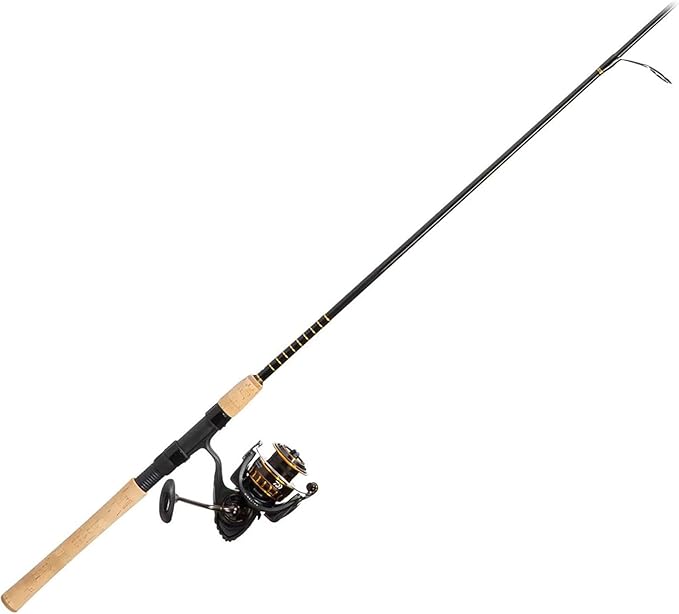
Daiwa BG Spinning Combo
Obtaining Your Fishing License
Getting your fishing license is a straightforward process that can usually be completed online, by phone, or in person:
- Online: Most states allow you to conveniently purchase and print a license directly from their fish and wildlife department website. The online process is quick, easy, and secure, and you can typically have your permit in hand within minutes.
- In Person: If you prefer a face-to-face transaction or need local expertise, you can buy a license at many bait and tackle shops, sporting goods stores, or even Walmart. This is a great option if you have questions or want advice from knowledgeable staff.
- By Phone: Some states offer the ability to purchase a license over the phone through an authorized sales agent. While not as common as online or in-person sales, this method can be convenient for anglers who don't have internet access or transportation to a physical vendor.
When applying for your license, you’ll generally need to provide some form of identification, proof of residency (if applicable), and payment via credit card or other accepted means. License costs can vary significantly by state, residency status, and permit type, but annual passes for residents typically range from $20 to $40.
Many states also offer reduced rates or even free licenses for certain demographics like seniors, children, disabled individuals, and active-duty military or veterans. Additionally, keep an eye out for special promotions like “free fishing days” where anyone can fish without a license on specific dates.
State-Specific Considerations
One of the most important things to understand about fishing licenses is that they are regulated at the state level. There is no such thing as a nationwide fishing permit that covers all of the USA. Instead, each state has its own distinct set of requirements, fees, and procedures that anglers must follow.
This means you’ll need to do some research on your destination state before embarking on an out-of-of-state fishing trip. Regulations in Maine, for example, differ significantly from those in Florida. Luckily, state fish and wildlife department websites are packed with helpful information to guide you through the process.
If you plan to fish across state lines, be aware that you’ll likely need to obtain a license for each state where you intend to cast your line. Your California permit won’t be valid up in Oregon unless the two states have a specific reciprocity agreement.
That said, some neighboring states do offer license reciprocity for boundary waters or other shared fishing areas. For instance, a Virginia saltwater fishing license is honored in Maryland’s portion of the Chesapeake Bay and its tributaries. As always, check the fine print of your local regulations to confirm.
It’s also crucial to familiarize yourself with your state’s fishing rules and regulations beyond just licensing. Each location has its own specific requirements for catch limits, size restrictions, seasonal closures, and approved fishing methods and gear. Ignorance of the law is never an acceptable excuse, so do your due diligence before hitting the water.
Fishing License Exemptions
While fishing licenses are required for the vast majority of anglers in the USA, there are some notable exceptions that vary by state. The most common exemptions include:
- Age-Based Exemptions: Most states allow children under a certain age (usually 16) to fish without a license. Some locations also waive license requirements for seniors over a specific age, typically 65 or 70.
- Private Property Exemptions: In some states, you may fish license-free in waters that are entirely contained within the boundaries of privately owned land. However, if the waterway connects to public areas or you're fishing from the banks of a public body of water, a license is usually still required.
- Free Fishing Days: Many states designate a handful of "free fishing days" each year where anyone can fish without a license. These promotional periods are designed to encourage participation in the sport and introduce new anglers to the joys of fishing.
- Disability Exemptions: Some states offer free or discounted licenses to individuals with certain physical or mental disabilities. Eligibility requirements and application processes vary by location.
- Military Exemptions: Active-duty military personnel, veterans, and sometimes their immediate family members may be eligible for free or reduced-cost licenses in certain states. Proof of service is typically required.
Again, because these exemptions are state-specific and subject to change, it’s always best to consult your local fish and wildlife agency for the most current and accurate information.
The Future of Fishing Licenses
As the popularity of recreational fishing continues to grow in the USA, state agencies are exploring new ways to streamline the licensing process and engage more anglers in conservation efforts. Some emerging trends and innovations include:
- Mobile Apps: Many states now offer mobile apps that allow you to purchase and store your fishing license right on your smartphone. These digital wallets eliminate the need for paper permits and make it easy to access your license anytime, anywhere.
- Auto-Renewal Programs: To encourage long-term participation and reduce lapsed licenses, some states have implemented auto-renewal options that automatically charge your credit card and send you a new permit each year unless you opt out.
- Conservation Memberships: In addition to traditional licenses, some states now offer special conservation memberships that include perks like exclusive access to prime fishing spots, discounts on gear and lodging, and invitations to member-only events. These programs provide additional funding for conservation efforts and foster a sense of community among dedicated anglers.
- R3 Initiatives: Many states are investing in recruitment, retention, and reactivation (R3) programs designed to attract new anglers, retain existing participants, and re-engage lapsed license holders. These initiatives often include free fishing days, learn-to-fish clinics, mentorship programs, and targeted marketing campaigns.
By embracing these innovations and engaging more anglers in the licensing process, state agencies hope to create a sustainable future for recreational fishing in the USA.