
Fishing in Vermont offers a rewarding outdoor experience for anglers of all skill levels. With its picturesque landscapes and well-stocked waters, the Green Mountain State is an ideal destination for both seasoned fishermen and beginners alike. Before casting your first line, it’s important to understand the state’s licensing requirements, top fishing spots, and essential tips for success.
Licensing Requirements
In Vermont, anyone aged 15 or older must obtain a valid fishing license before dropping a line. Youths between 15-17 are eligible for a discounted license. Some exceptions apply, such as on Free Fishing Day or for children under 15. Certain disabled individuals and veterans may also qualify for free licenses. Be sure to review the state’s official regulations to determine which license is right for you.
Fishing licenses can be purchased online through the Vermont Fish & Wildlife Department website, at authorized license agents, district offices, or by calling 802-828-1190. To procure a license, you must present proof of a previous hunting or fishing license, a hunter education certificate, or sign an affidavit attesting to having held a previous license.
Where to Fish
Vermont boasts numerous family-friendly fishing locations that don’t require a boat, making them perfect for beginners and families. Some top spots include:
- Half Moon Pond State Park: Kid-friendly fishing in the pond and two lakes with opportunities for bass, yellow perch, and panfish.
- Lake St. Catherine State Park: Lakeside camping with a beach, boat rentals, and fishing. Pets are allowed except in the day use area.
- Lowell Lake State Park: A scenic spot for camping, swimming, paddling and fishing.
The state’s Fish & Wildlife Department regularly stocks many streams and rivers with trout, so check their online stocking report to find prime spots to land a trophy. Additionally, Vermont maintains over 190 developed fishing access areas that provide convenient entry points for shore fishing and boat launching.
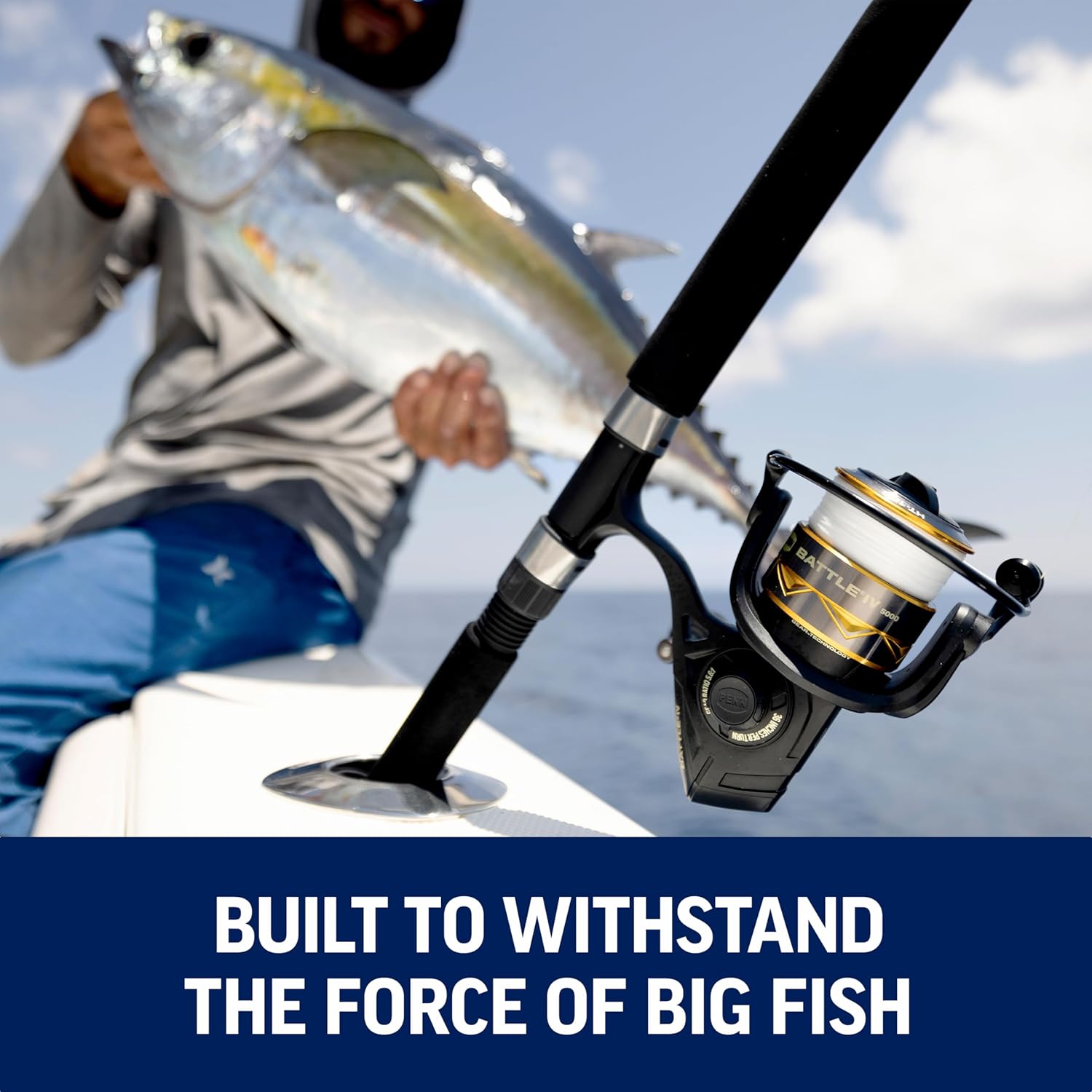
Penn Battle III Surf Spinning Combo
Getting Started
To start your Vermont fishing adventure, first purchase the appropriate fishing license for your age and residency status. Next, assemble some basic equipment like a hook-and-bobber rig with a sinker and bait. Worms make great bait and can be easily found in local bait shops or your own backyard.
Thoroughly review Vermont’s fishing regulations, especially for the specific waters you plan to fish. The Fish & Wildlife Department’s online regulations tool makes it simple to access this critical information.
Tips for Success
Expand your fishing knowledge by downloading the VT Fishing Guide PDF, which provides valuable insights on targeting different species, locating top spots, and employing effective techniques. As you gain experience, continue exploring various fishing methods and equipment to hone your skills. Experimenting with different approaches will make you a more well-rounded and successful angler.
When fishing with children, keep the outing short and fun-focused. Pack plenty of snacks, take breaks, and emphasize that fishing itself is the real joy, while catching fish is just a bonus. Be sure to snap lots of photos to preserve the memories!
Preserving Vermont’s Fisheries
As stewards of Vermont’s pristine waters, anglers play a vital role in preserving the state’s fisheries for generations to come. By adhering to all fishing regulations, properly disposing of trash, and practicing catch-and-release when appropriate, you can help maintain healthy fish populations and habitats.
Consider getting involved with local conservation organizations like the Vermont Fish & Wildlife Conservation Group to support projects that enhance fishing access, restore watersheds, and protect native species. Together, anglers and conservationists can ensure that Vermont remains a world-class fishing destination.