
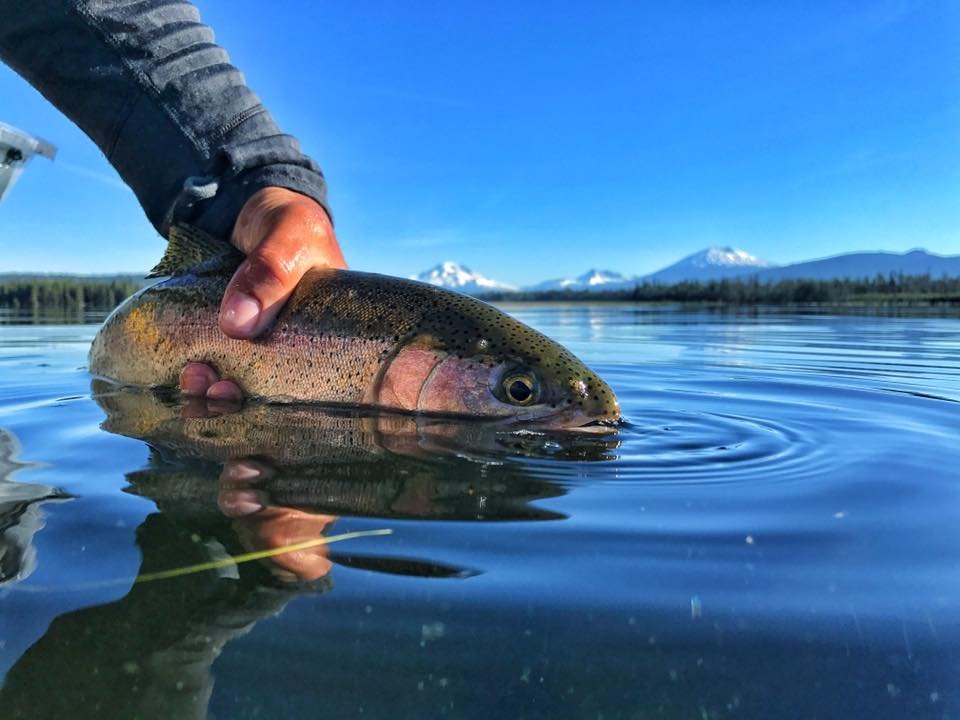
Understanding Oregon’s Fishing License Requirements
In Oregon, anglers aged 12 and above are required to possess a valid fishing license to fish in public waters. Children under 12 can fish without a license, but they must be accompanied by a licensed adult and adhere to all fishing regulations. Oregon offers a variety of fishing licenses tailored to different needs and durations:
Annual Angling License
The annual angling license is a popular choice for residents and non-residents alike. This license grants you the privilege to fish for an entire year, from January 1st to December 31st. As of 2024, the fees for the annual angling license are as follows:
- Resident: $44.00
- Non-resident: $110.50
It’s important to note that a resident is defined as someone who has resided in Oregon for at least six months immediately prior to applying for a license.
Short-Term Licenses
If you’re planning a brief fishing trip or are visiting from out of state, Oregon offers several short-term license options:
- One-day Angling License (resident and non-resident): $23.00
- Two-day Angling License (resident and non-resident): $42.00
- Three-day Angling License (resident and non-resident): $59.50
- Seven-day Angling License (non-resident only): $93.50
These licenses provide flexibility for those who don’t require a full annual license.
Youth and Senior Licenses
Oregon encourages youth participation in fishing and offers a discounted annual license for young anglers. The Youth License, available for ages 12-17, includes angling, hunting, shellfish, and the Columbia River Basin Endorsement for just $10.00.
Seniors aged 70 and above who have been Oregon residents for at least five years are eligible for reduced-fee licenses:
Penn Pursuit IV Spinning Combo
- Senior Angling License: $29.00
- Senior Combination License (angling and hunting): $47.50
Combination Licenses
For those who enjoy both fishing and hunting, Oregon offers combination licenses that provide great value:
- Sports Pac (resident only): $196.50
- Includes angling, shellfish, and hunting licenses; combined angling tag; spring turkey, cougar, general or controlled bear tag, elk and deer tags; upland bird and waterfowl validations.
- Combined Angling and Hunting License (resident only): $73.00
Additional Permits and Endorsements
In addition to your fishing license, certain types of fishing or specific locations may require additional permits or endorsements. Here are a few key ones to be aware of:
Columbia River Basin Endorsement
If you plan to fish for salmon, steelhead, sturgeon, or halibut in the Columbia River and its tributaries, you’ll need the Columbia River Basin Endorsement. The fee is $9.75 when purchased with an angling license, or $11.75 when purchased separately.
Two-Rod Validation
Anglers who wish to fish with two rods simultaneously must purchase the Two-Rod Validation. The fee is $28.00 for both residents and non-residents.
Shellfish Licenses
If you’re interested in harvesting shellfish like clams, mussels, or crab, you’ll need a separate shellfish license. The annual shellfish license fees are:
- Resident: $10.00
- Non-resident: $28.00
Fishing Regulations and Best Practices
To ensure the sustainability of Oregon’s fisheries and maintain a thriving ecosystem, it’s essential to follow the state’s fishing regulations and adopt best practices.
Catch Limits and Size Restrictions
Each fish species has specific catch limits and size restrictions to protect populations and promote healthy growth. Familiarize yourself with the daily bag limits and minimum size requirements for the species you’re targeting. If you catch a fish that doesn’t meet the size criteria, promptly release it back into the water.
Seasons and Closures
Oregon’s fishing seasons vary depending on the location and species. Some areas may have seasonal closures to protect spawning fish or allow for population recovery. Always check the current regulations before planning your fishing trip to avoid disappointment or unintentional violations.
Catch and Release Best Practices
If you plan to release your catch, handle the fish with care to maximize its chances of survival. Use wet hands or a soft, wet cloth when handling the fish to avoid removing its protective slime coat. Keep the fish in the water as much as possible, and gently remove the hook using pliers or a de-hooking device. If the fish is exhausted, support it upright in the water until it regains strength before releasing it.
Coastal Fishing
Oregon’s rugged coastline stretches for over 360 miles, providing access to a rich marine ecosystem. From the rocky shores to the expansive bays, anglers can target a variety of species, including rockfish, lingcod, halibut, and Dungeness crab. Coastal towns like Astoria, Newport, and Brookings serve as popular hubs for charter boat fishing and offer excellent facilities for shore-based anglers.
River Fishing
The state’s numerous rivers are renowned for their salmon and steelhead runs. The Columbia River, which forms the border between Oregon and Washington, is famous for its Chinook salmon and sturgeon fishing. The Willamette River, running through the heart of the Willamette Valley, offers excellent opportunities for spring Chinook and winter steelhead.
Other notable rivers include the Rogue, Umpqua, and Deschutes, each with its own unique character and fishing prospects. From drift boat fishing to wading in scenic tributaries, Oregon’s rivers provide an unforgettable experience for anglers.
Lake and Reservoir Fishing
Oregon boasts hundreds of lakes and reservoirs, ranging from small alpine lakes nestled in the Cascade Mountains to large impoundments like Detroit Lake and Lake Billy Chinook. These stillwaters are home to a variety of fish species, including rainbow trout, bass, crappie, and kokanee.
Many lakes are regularly stocked with hatchery-raised trout, providing excellent opportunities for both shore and boat anglers. Some lakes also offer amenities like boat ramps, docks, and campgrounds, making them perfect for family fishing trips.