
- Free Fishing Days: New York offers designated free fishing days each year, allowing residents and visitors to fish without a license. These days are typically scheduled during the summer months, aiming to promote fishing as a recreational activity. In 2024, for example, these days will be held on June 29 and August 31. This initiative not only encourages participation in fishing but also helps foster a sense of community among anglers.
- Licensed Preserves: Fishing in certain licensed preserves may not require a fishing license. These preserves often have specific rules and regulations that vary by location. It’s essential for anglers to check the regulations of each preserve before fishing, as some may require permits or have restrictions on the type of fishing allowed. For more information on licensed preserves, visit the NYSDEC website.
Types of Fishing Licenses
New York offers several types of fishing licenses to accommodate different needs and preferences among anglers:
- Annual Fishing License: This is the most common option available for both residents and non-residents. The annual fishing license allows unlimited fishing throughout the year, making it ideal for those who fish regularly. The standard fee for residents is approximately $25, while non-residents pay around $50. Discounts are available for seniors and individuals with disabilities, making fishing more accessible to a broader audience.
- Short-Term Licenses: For those who are visiting New York or plan to fish only occasionally, short-term licenses are available:
- 1-Day License: Priced at about $5 for residents and $10 for non-residents, this license is perfect for a single fishing trip.
- 7-Day License: This option costs approximately $12 for residents and $28 for non-residents, catering to those who wish to fish for an extended period without committing to an annual license.
- Lifetime Licenses: For dedicated anglers, a lifetime fishing license may be the most cost-effective option. Available only to New York residents, the fees vary based on age:
- Ages 0-69: Approximately $460
- Ages 70 and older: Approximately $65 This option not only provides lifelong access to fishing but also supports conservation efforts, as the fees collected contribute to maintaining fish populations and habitats throughout the state.
Supporting Evidence and Insights
Understanding the significance of fishing licenses extends beyond mere compliance with regulations; it plays a vital role in conservation and community engagement. According to the Teddy Roosevelt Conservation Partnership, fishing licenses are essential for funding conservation projects that protect aquatic ecosystems and enhance fishing experiences.
Furthermore, statistics from the New York State Department of Environmental Conservation (NYSDEC) indicate that over 838,000 fishing licenses were sold in 2021, reflecting the popularity of fishing as a recreational activity. The increase in non-resident licenses, which totaled approximately 216,000 in recent years, highlights the growth of fishing tourism in New York, contributing significantly to local economies and conservation funding.
How to Obtain Your Fishing License
Step-by-Step Application Process
Obtaining your fishing license in New York is straightforward, but understanding the nuances can enhance your experience as an angler. Here’s a detailed breakdown of the process:
Determine the Type of License Needed
Before applying, it’s essential to assess your fishing habits to determine which license suits you best. Here are the primary options:
- Annual Fishing License: Ideal for regular anglers who fish multiple times throughout the year. This license allows you to fish in both freshwater and saltwater.
- Short-Term Licenses: These are perfect for occasional anglers or tourists. You can choose from:
- 1-Day License: Great for a single fishing trip.
- 7-Day License: Suitable for a week-long fishing getaway.
- Lifetime Licenses: If you are a dedicated angler, consider investing in a lifetime license. This option is available only to New York residents and can be a cost-effective solution for those who fish frequently.
Gather Required Documentation
To ensure a smooth application process, gather the necessary documentation ahead of time:
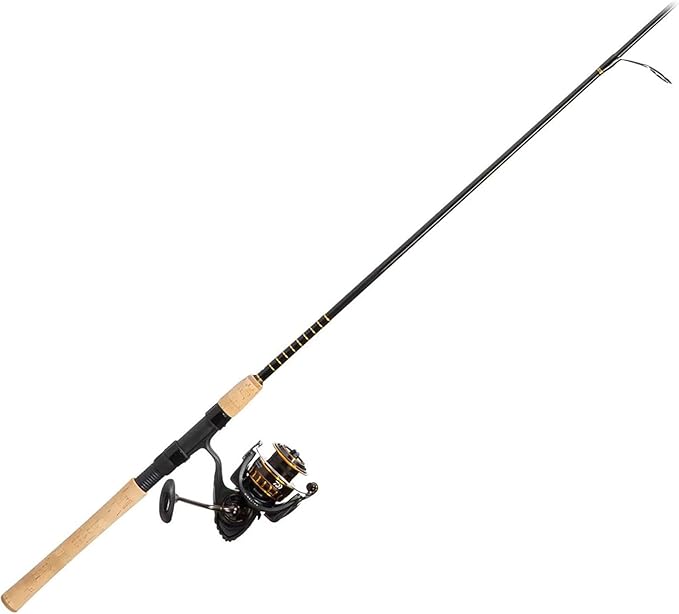
Daiwa BG Spinning Combo
- Identification: A valid photo ID is required, such as a driver’s license or state-issued ID.
- Proof of Residency: If you are applying for a resident license, you will need to provide proof of residency. This can be done using your driver’s license number or non-driver ID number.
- Special Documentation: If you are eligible for discounts (e.g., senior citizens aged 70 and older or active military personnel), ensure you have the necessary documentation to verify your status.
Apply Online, by Phone, or In-Person
You have several convenient options for applying for your fishing license:
- Online: The easiest way to apply is through the New York State Department of Environmental Conservation (NYSDEC) website. The online application is user-friendly and allows for immediate payment via credit or debit card.
- By Phone: If you prefer to speak with someone, you can call the NYSDEC at 1-866-933-2257. This option is helpful if you have questions or need assistance during the application process.
- In-Person: You can purchase your license at authorized agents, such as sporting goods stores or local government offices. This option allows you to ask questions directly and receive your license on the spot.
Payment Options and Fees
Fishing license fees vary based on the type of license and residency status. Here’s a detailed breakdown to help you understand the costs involved:
| License Type | Resident Fee | Non-Resident Fee |
|---|---|---|
| Annual License | $25 | $50 |
| 1-Day License | $5 | $10 |
| 7-Day License | $12 | $28 |
| Lifetime License | Starting at $460 | Not available |
Discounts: Special discounts are available for seniors (ages 70 and older) and active military personnel, making fishing more accessible for these groups. Ensure you check the NYSDEC website for the most current fee structure and discount eligibility.
Supporting Evidence and Insights
Understanding the importance of fishing licenses goes beyond legality; it plays a crucial role in conservation efforts. According to the Teddy Roosevelt Conservation Partnership, fishing licenses contribute significantly to funding conservation projects that protect fish habitats and improve the overall experience for anglers. This funding helps maintain healthy fish populations and ensures sustainable fishing practices for future generations.
Moreover, participating in fishing activities supports local economies, with recreational fishing generating billions in economic impact annually. By obtaining a fishing license, you not only comply with regulations but also contribute to the preservation of the sport you love.
Fishing Regulations in New York
General Fishing Regulations
Understanding the regulations is key to responsible fishing. Here are some important points to consider:
- Catch Limits: Each species of fish has specific catch limits. For example, you may only keep a certain number of bass or trout per day. For detailed information on statewide seasons and catch limits, visit eRegulations.
- Seasons: Fishing seasons vary by species. Ensure you're aware of when specific types of fish can be legally caught.
- Special Regulations: Some waters have unique regulations, such as specific gear restrictions or catch-and-release rules. For freshwater regulations, check the NYSDEC's Freshwater Fishing Regulations.
Special Regulations for Border Waters
If you plan to fish in border waters (e.g., the Great Lakes), be aware that you may need a reciprocal license. This means you could be subject to regulations from both New York and the bordering state or province.
Best Practices for Responsible Fishing
Importance of Conservation
Fishing licenses play a crucial role in supporting conservation efforts. The fees collected help fund initiatives aimed at maintaining fish populations, improving habitats, and ensuring sustainable fishing practices.
Tips for Sustainable Fishing
To ensure that fishing remains a viable activity for future generations, consider the following best practices:
- Catch and Release: If you're not planning to eat the fish, practice catch and release to help maintain fish populations.
- Respect Local Ecosystems: Avoid littering and follow local guidelines to protect the environment.
- Educate Yourself: Stay informed about local fishing regulations and practices to ensure you're fishing responsibly.
Popular Fishing Locations in New York
Top Freshwater Fishing Spots
New York is home to numerous lakes, rivers, and streams that offer excellent fishing opportunities. Here are some top spots to consider:
- Lake Ontario: Known for its trophy-sized salmon and trout.
- Saratoga Lake: A popular destination for bass fishing.
- The Delaware River: Offers a variety of species, including trout and bass.
Saltwater Fishing Opportunities
For those interested in saltwater fishing, New York’s coastal areas provide fantastic options:
- Montauk Point: Renowned for its striped bass and bluefish.
- Fire Island: Offers great surf fishing opportunities.
- New York Harbor: A diverse area for various saltwater species. For saltwater fishing regulations, visit the NYSDEC's Recreational Saltwater Fishing Regulations.