
The Bait: Understanding Nebraska’s Fishing License Requirements
Just as you wouldn’t head out to the lake without your favorite lure, you shouldn’t fish in Nebraska without the proper license. Here’s what you need to know:
Who Needs a License?
If you’re 16 or older, you’ll need a valid Nebraska fishing license to wet a line in the state’s waters. This applies to both residents and non-residents, so even if you’re just passing through for a quick fishing trip, you’ll need to get licensed up.
Types of Licenses Available
Nebraska offers a variety of license options to suit different angling needs:
- 1-Day Fishing Permit: Perfect for a spontaneous fishing trip
- 3-Day Fishing Permit: Ideal for a long weekend getaway
- Annual Fishing Permit: For those who plan to fish regularly throughout the year
- 5-Year Fishing Permit: A great option for committed anglers
- Lifetime License: Available for residents who want to make a long-term investment in their fishing passion
Non-residents have similar options, with the addition of a 3-Year Fishing Permit.
The Cost of Casting
Like any good fishing gear, licenses come at a price. Here’s a breakdown of the costs for residents:
- 1-Day Fishing: $10
- 3-Day Fishing: $31
- Annual Fishing: $38
- 5-Year Fishing: $132
- Lifetime License: $616-$710 (depending on age)
Non-resident anglers will pay slightly more, with an annual permit costing $76.
Navigating the Waters: Special Permits and Regulations
Just as different fish require different techniques, Nebraska has some special regulations you’ll need to be aware of:
Paddlefish Permit
If you’re after the elusive paddlefish, you’ll need an additional $33 Paddlefish Permit on top of your regular fishing license. It’s like adding a specialized lure to your tackle box – necessary for the specific catch you’re after.
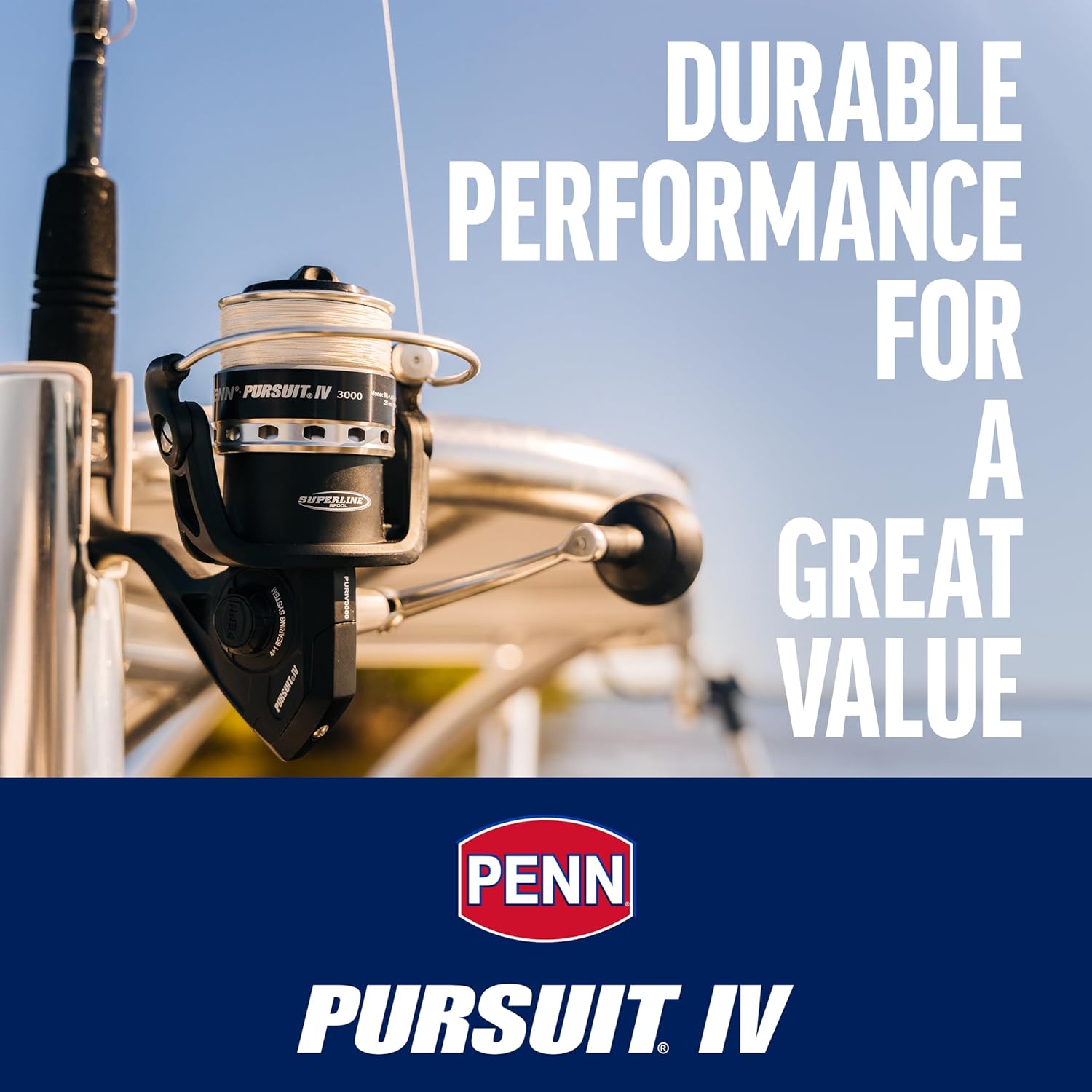
Penn Pursuit IV Spinning Combo
Aquatic Habitat Stamp
When you purchase your Nebraska fishing permit, it includes the required Nebraska Aquatic Habitat Stamp. This stamp helps fund programs that improve aquatic habitats, ensuring better fishing for years to come.
Aquatic Invasive Species Stamp
For non-resident anglers planning to use a boat, you’ll need to purchase an Aquatic Invasive Species Stamp separately. This helps protect Nebraska’s waters from harmful invasive species – think of it as a protective shield for the state’s aquatic ecosystems.
Casting a Wide Net: Community Fishing Events
Nebraska isn’t just about enforcing regulations; they’re also committed to growing the angling community. The state organizes Community Fishing Events throughout the year, designed to introduce or reintroduce people to the joy of fishing.
These events are perfect for:
- Introducing friends or family members to fishing
- Brushing up on your skills if you haven't fished in a while
- Learning about new fishing techniques or local fishing spots
At these events, you’ll find:
- Free loaner equipment
- Bait provided
- Fishing instruction from Game and Parks staff and Certified Fishing Instructors
It’s like having a seasoned guide show you the best fishing holes – an opportunity no angler should miss.
Reeling It In: How to Obtain Your License
Getting your Nebraska fishing license is easier than landing a trophy bass. You have two main options:
- Online: Visit the Nebraska Game and Parks website to purchase your license digitally. This allows you to carry a digital version of your license while fishing – no more worrying about leaving your paper license at home.
- In-Person: You can purchase physical fishing permits at various sporting goods stores, bait shops, and tackle stores throughout the state. You can also get them at Commission Offices.
Remember, just as you’d check your fishing line for weak spots, always verify that your license is valid before heading out to fish.
The Catch: Recent Changes and Updates
Like a river constantly changing its course, fishing regulations can evolve. Here are some recent updates for 2024:
- Archery Paddlefish: You can now harvest paddlefish in the spillway below Gavins Point Dam
- Channel Catfish: The statewide bag limit now includes only one fish greater than 30 inches in length
- Yellow Perch and Bluegill: New daily bag limits have been introduced for specific lakes
Staying informed about these changes is crucial for responsible angling – it’s like knowing when to switch lures based on changing water conditions.