
Understanding Fishing License Requirements
Who Needs a Fishing License?
In Minnesota, the requirement for a fishing license is straightforward:
- Residents: All Minnesota residents aged 16 to 89 must possess a valid fishing license to fish legally.
- Non-Residents: Any non-resident aged 16 and older must also have a fishing license.
Exemptions: Certain groups are exempt from needing a license:
- Residents under 16 years old.
- Residents over 90 years old.
- Active-duty military personnel on leave.
- Individuals fishing in state parks (specific conditions apply).
Types of Fishing Licenses Available
Minnesota offers various fishing licenses to cater to different needs:
- Annual Licenses: Valid from March 1 to the end of February the following year.
- Short-Term Licenses: Options include 24-hour and 72-hour licenses for those who fish occasionally.
- Lifetime Licenses: Available for residents, providing a one-time purchase for lifelong fishing.
- Combination Licenses: These include hunting and fishing privileges.
License Costs
| License Type | Cost (Resident) | Cost (Non-Resident) |
|---|---|---|
| 24-Hour License | $12 | $14 |
| 72-Hour License | $14 | $20 |
| Annual License | $25 | $50 |
| Annual Conservation License | $17 | N/A |
| Lifetime License | $500 | N/A |
How to Obtain a Fishing License
Obtaining a fishing license in Minnesota is a straightforward process. Here are the methods available:
- Online: Purchase through the Minnesota Department of Natural Resources (DNR) website. This is the quickest method, allowing you to print your license immediately.
- By Phone: Call 1-888-MN-LICEN (665-4236) to purchase your license over the phone.
- In-Person: Visit any DNR office or authorized retailer, such as sporting goods stores or bait shops.
Important Considerations
- Identification: When purchasing a license, you’ll need to provide identification, such as a driver’s license or state ID.
- Documentation: Ensure you have all required documents, especially if you’re applying for a reduced-fee license or a lifetime license.
- Processing Time: If you opt for a mail-in application, allow 5-10 business days for processing.
Fishing Regulations in Minnesota
Fishing in Minnesota is governed by a comprehensive set of regulations designed to promote sustainable practices and protect the state’s rich aquatic ecosystems. These regulations are essential for maintaining healthy fish populations and ensuring that future generations can enjoy the state’s abundant fishing opportunities. Below is an in-depth exploration of the key components of Minnesota’s fishing regulations.
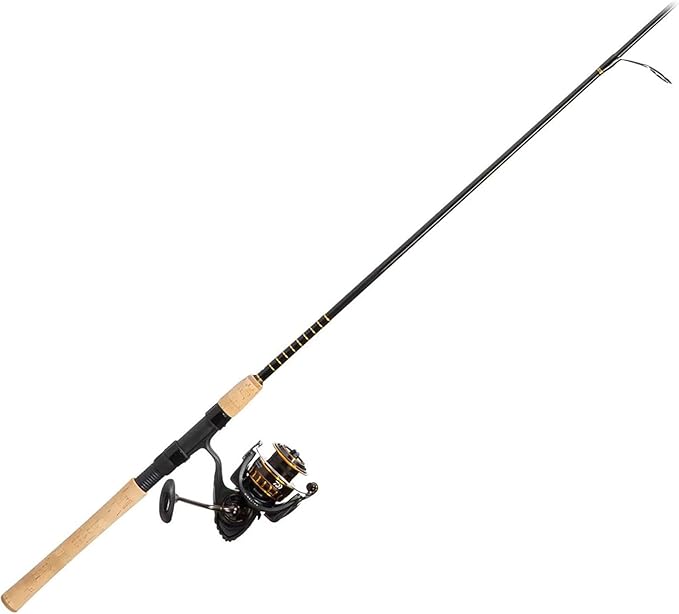
Daiwa BG Spinning Combo
Bag Limits
Bag limits are restrictions on the number of fish an angler can keep per day. These limits are crucial for preventing overfishing and ensuring that fish populations remain stable. For example, the daily limit for walleye is typically six, but only one can exceed 20 inches in certain waters. Understanding and adhering to these limits not only helps conserve fish stocks but also enhances the overall fishing experience by promoting a balanced ecosystem.
Size Limits
Size limits dictate the minimum size that certain species must reach before they can be legally kept. This regulation is particularly important for species like northern pike and bass, which need to reach a certain size to ensure they have had a chance to reproduce. For instance, in many lakes, pike must be at least 30 inches long to be kept. These regulations help protect younger fish, allowing them to grow and contribute to the population before being harvested.
Seasonal Restrictions
Seasonal restrictions are in place to protect fish during their spawning periods. Certain species, such as bass and walleye, have specific closed seasons when fishing is prohibited to allow them to reproduce without disturbance. The fishing opener in May is a highly anticipated event for many anglers, marking the beginning of the fishing season for several species, including walleye, pike, and bass. Understanding these seasonal restrictions is vital for responsible fishing practices and conservation efforts.
Special Regulations
Unique Regulations for Specific Waters
Minnesota’s diverse geography means that different lakes and rivers may have unique regulations tailored to their specific ecosystems. For example, the regulations for Lake of the Woods differ from those for Mille Lacs or smaller inland lakes. Anglers should always check the specific rules for the water body they plan to fish in to avoid unintentional violations. The Minnesota DNR provides an interactive map and detailed regulations for each lake, making it easier for anglers to stay informed.
Case Study: Lake Mille Lacs
Lake Mille Lacs is a prime example of how specific regulations can help manage fish populations. Due to overfishing concerns, the Minnesota DNR has implemented strict regulations on walleye fishing in this lake, including catch-and-release policies and limits on the size of fish that can be harvested. These measures have been put in place to ensure the long-term sustainability of the walleye population, which is a vital part of the local fishing economy and culture.
Safety and Conservation
The Role of Fishing Licenses
Fishing licenses are not just a legal requirement; they play a crucial role in funding conservation efforts across Minnesota. The revenue generated from fishing licenses is allocated to the Game and Fish Fund, which supports various initiatives, including habitat restoration, fish stocking programs, and law enforcement. Each year, approximately 2 million people fish in Minnesota, contributing to an industry that generates around $6 billion in direct expenditures. This financial support is essential for maintaining the health of the state’s fisheries and the ecosystems they inhabit.
Protecting Aquatic Ecosystems
Conservation efforts in Minnesota extend beyond just managing fish populations. The state actively works to protect aquatic ecosystems by addressing issues such as habitat degradation and invasive species. For example, initiatives aimed at controlling invasive species like zebra mussels and Asian carp are critical for preserving the integrity of Minnesota’s waters. Anglers play a vital role in these efforts by following best practices, such as cleaning their boats and equipment before moving between water bodies to prevent the spread of invasive species.
Community Involvement and Education
Community involvement is key to successful conservation efforts. Organizations like the Minnesota DNR and various local fishing clubs often host educational programs and events to raise awareness about sustainable fishing practices. These initiatives not only educate anglers about regulations but also foster a sense of responsibility towards protecting the environment. For example, the Minnesota Master Angler Program recognizes anglers who catch large fish while promoting catch-and-release practices, encouraging conservation-minded fishing.